A year has elapsed since the end of Bashar al Assad’s regime in Syria. Many families believed that the truth regarding their missing loved ones would finally surface. They envisioned an opening of prison records and searches of mass graves, hoping to discover the fates of their sons, husbands, and brothers. Now, that anticipation is dwindling.
Throughout Syria, countless families grapple with the unsettling absence of answers. Their loved ones were taken away by security forces during the conflict and have never returned. Experts suggest that approximately 150,000 people went missing in Assad's prisons, notorious for their torture and executions.
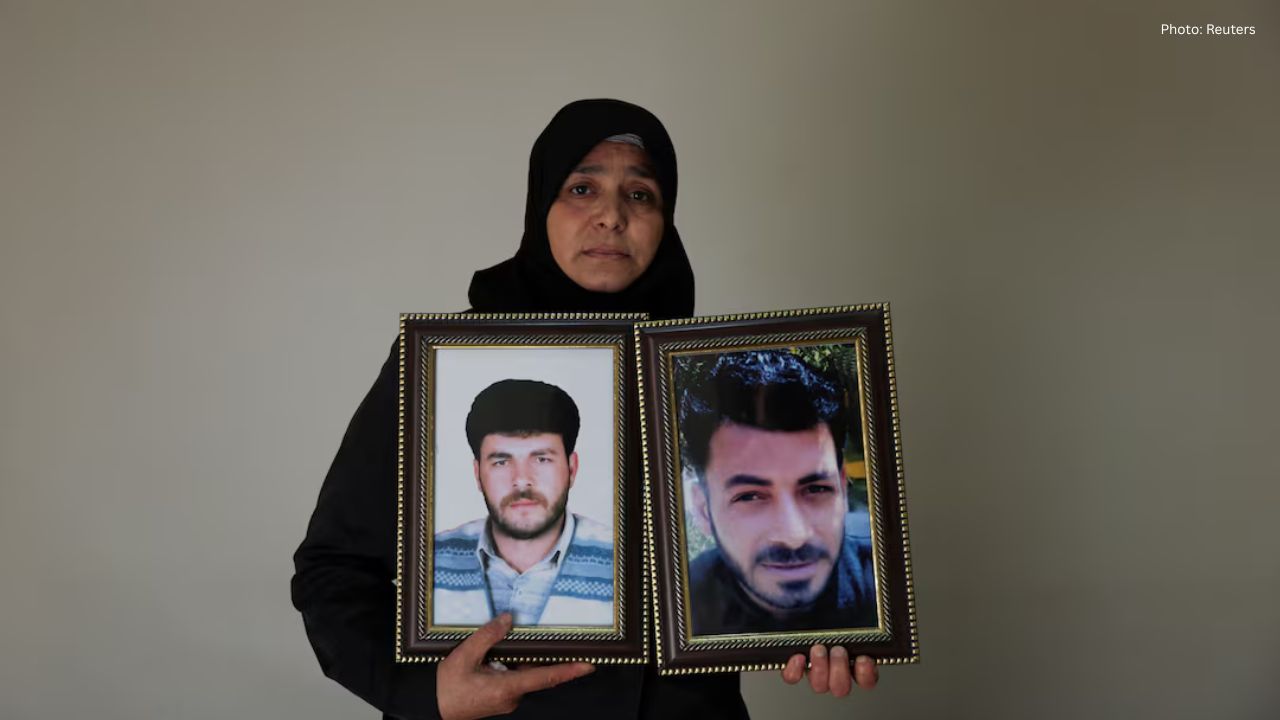
Amina Beqai’s story is a poignant example of this enduring anguish. Her husband, Mahmoud, and her brother, Ahmed, were seized in 2012. For over a decade, she has searched for any indication of their whereabouts. Each day, she types their names into search engines, holding onto a slim hope for news, yet finding only silence.
When the old regime fell, many prisoners were released, stepping into the light of freedom. Families eagerly awaited news and familiar faces, but for many, including Beqai, that moment was a bitter realization that hope had vanished.
This past May, the new Syrian government established a National Commission for Missing Persons, promising an investigative effort into disappearances and evidence collection. Regrettably, the commission has not yet delivered clear resolutions for families. It has set a goal to develop a complete database by 2026, while mass grave investigation work is slated to commence no earlier than 2027.
Frustration among families and human rights advocates is palpable due to this sluggish pace, causing feelings of neglect reminiscent of past experiences. Activists argue that the government is monopolizing the investigation, sidelining those with vital expertise and information.
Concerns continue to mount, with some activists facing interrogations or brief detentions for disclosing prison documents. Media outlets have received warnings against releasing unofficial reports, and families searching online are cautioned against trusting what they find. This fosters an environment of heightened fear and uncertainty.
Some families have found answers through independent investigations. In one case, spreadsheet data revealed that a man had died years prior, sourced not from the government but through journalism and human rights organizations. It illustrates that while truths exist, they are not being adequately disclosed.
Government officials maintain that careful, scientific work is necessary to avoid errors. They have initiated collaborations with international bodies, including the Red Cross, seeking training and resources like DNA testing facilities.
However, in addition to precision, families desperately require compassion. They need regular updates and to feel acknowledged. Silence can hurt as profoundly as the loss itself.
Many elderly parents now gather in public spaces, calling for transparency—actions previously unthinkable. The fear of expressing their anguish may have diminished, but their suffering remains unchanged.
The departure of a dictator should have ushered in a period of transparency and open records. Yet, for many Syrians, the walls of uncertainty remain unbroken.
True justice transcends new leadership; it encompasses truth, accountability, and dignity for both the deceased and those still living. Syria cannot truly advance until families discover the fate of their loved ones.
The families seek little; they yearn for truth, respect, and peace for their hearts after years of anguish.