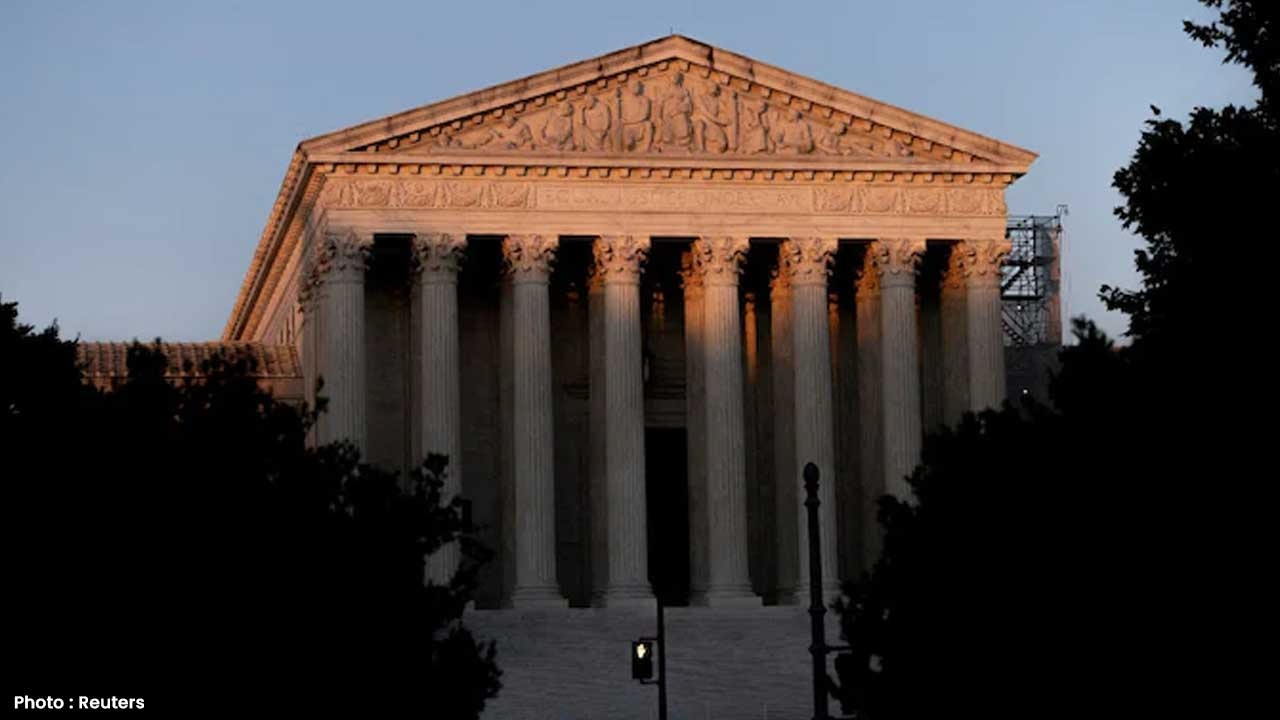
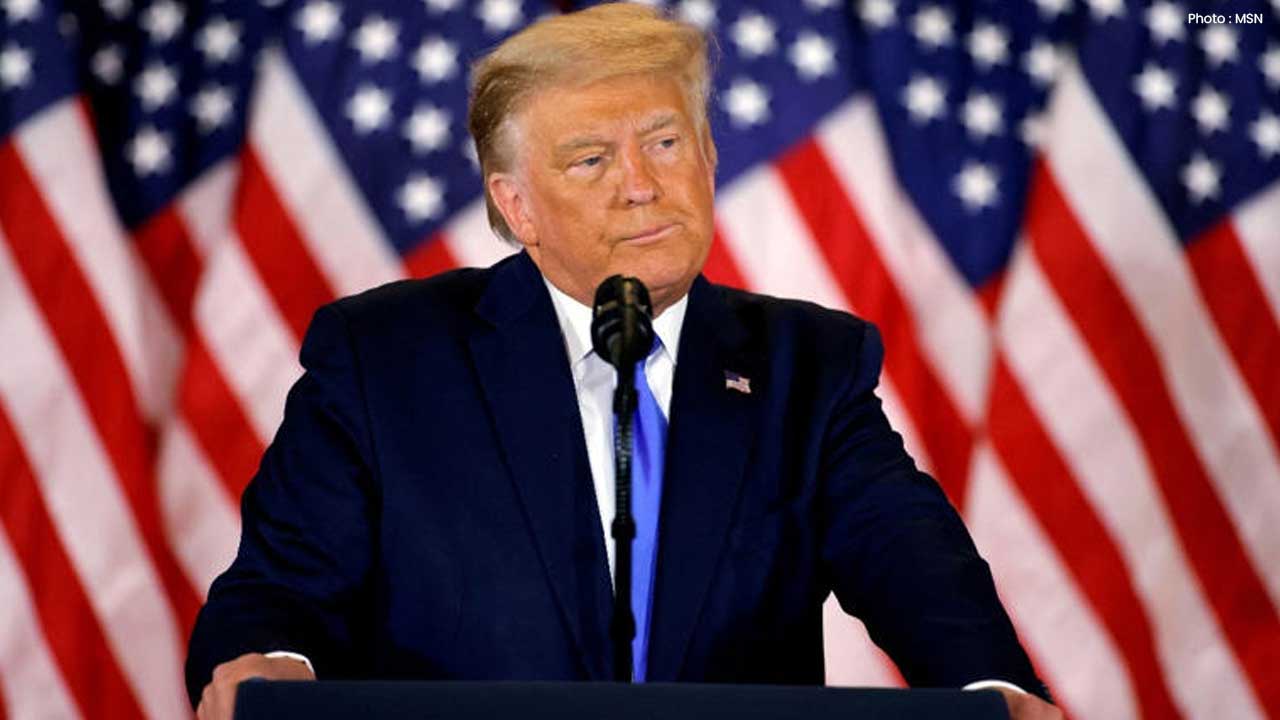
Wednesday’s sessions at the US Supreme Court placed the legality of President Donald Trump’s broad tariff program under a legal microscope, as justices weighed whether his actions fit within presidential trade powers.
The dispute centers on Trump’s use of the International Emergency Economic Powers Act (IEEPA) to justify so‑called “reciprocal” tariffs applied against major trading partners including China, Mexico and Canada — measures that sharply raised import duties and altered longstanding trade ties.
Huge sums in customs receipts and the constitutional balance between Congress and the White House are at stake. Mr. Trump has described the litigation as among the most consequential in modern US history, warning of economic fallout if the tariffs are struck down.
During oral arguments, the nine justices pressed lawyers on whether the president exceeded statutory or constitutional authority. Several justices referenced the “major questions” doctrine, which expects clear congressional authorization for decisions with sweeping economic or political impact.
Solicitor General John Sauer defended the administration’s approach, saying the president lawfully used his powers to manage foreign commerce and to act in response to international economic disruptions. Sauer told the court that longstanding practice supports broad executive authority in trade emergencies.
Opponents — a coalition of companies, congressional members and former officials — counter that IEEPA does not permit the president to levy taxes or tariffs unilaterally, arguing such powers rest with Congress. The litigation has drawn roughly 40 amicus briefs, most challenging the tariff actions.
Legal observers say a decision could be months away and will carry wide implications. A ruling for the government could reinforce a strong executive role in trade crises; a decision against it could constrain future presidents who seek to deploy tariffs without congressional approval.
The Trump administration maintains the tariff strategy strengthened the United States’ negotiating position and curbed unfair practices. Critics respond that higher import levies raised costs for businesses and consumers, and placed particular strain on small firms, even if they did not spark broad inflation.
Industry groups and international trading partners are watching closely as the case unfolds. One trade analyst warned the outcome could “reshape US trade diplomacy for decades,” underscoring how far‑reaching the ruling may be.
The Supreme Court’s eventual verdict will decide not only the immediate fate of the tariffs but also how expansive the executive branch’s role may be in shaping America’s economic policy going forward.