Sudan's civil unrest has reached a significant impasse after General Abdel-Fattah Burhan, the nation's military chief, openly rejected a ceasefire initiative proposed by the Quad, which includes the United States, Saudi Arabia, Egypt, and the UAE. This group aimed to address the violent conflict enduring in Sudan for over two years.
What Transpired?
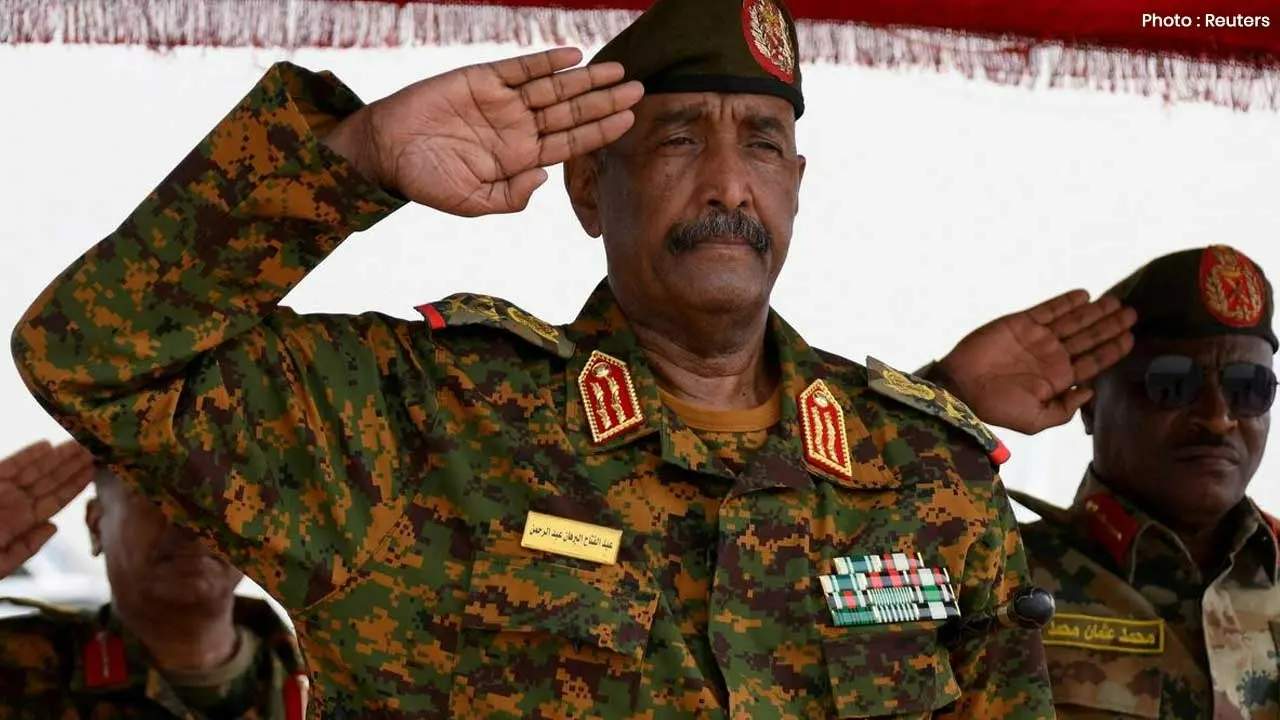
In a video statement released on Sunday, General Burhan articulated his vehement opposition to the ceasefire plan, labeling it as “the worst yet” and alleging that its architects have a “biased” stance. He contends that the proposal unjustly benefits the paramilitary Rapid Support Forces (RSF), the primary rebel faction battling the Sudanese military, while demanding the disbanding of certain security units.
Understanding the Sudanese Conflict
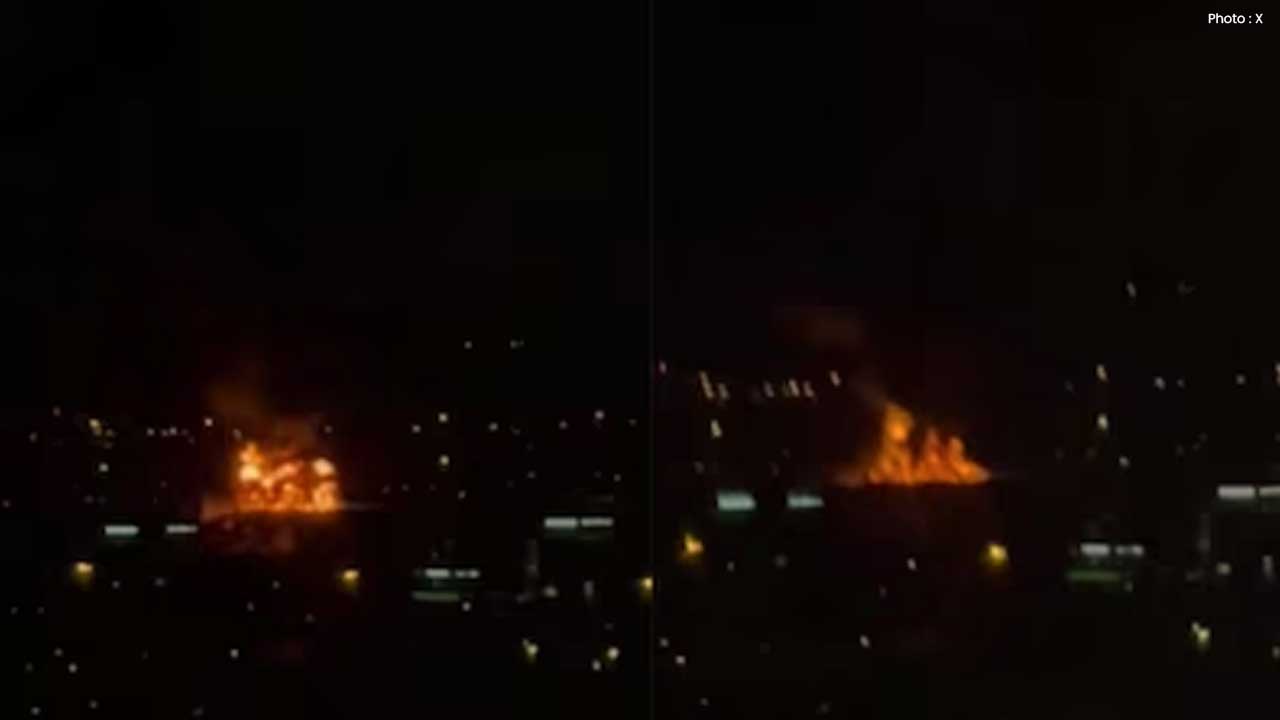
The hostilities in Sudan commenced in April 2023, following escalating tensions between the Sudanese Armed Forces and the RSF. The conflict quickly spiraled out of control, affecting Khartoum and beyond, with countless lives lost and infrastructure destroyed. According to the United Nations, the casualty count has surpassed 40,000, although many aid organizations suggest the true toll may be much higher.
Moreover, this conflict has given rise to one of the world's most severe humanitarian crises, with over 14 million individuals displaced and facing dire circumstances, including severe food shortages and outbreaks of diseases.
Key Players in the Conflict
-
General Abdel-Fattah Burhan: The head of the Sudanese Armed Forces, firmly against the proposed ceasefire plan, advocating for military security in the nation’s future.
-
Rapid Support Forces (RSF): A prominent paramilitary entity led by General Mohammed Hamdan Dagalo, who has accepted the ceasefire and is calling for military adherence to the plan.
-
The Quad: The international mediating group comprising the United States, Saudi Arabia, Egypt, and the UAE, striving for a political solution in Sudan.
-
United Nations: UN Secretary-General António Guterres has called for an immediate ceasefire and unhindered humanitarian assistance for vulnerable Sudanese.
Reasons Behind the Rejection of the Ceasefire Proposal
General Burhan's objections center on the perceived disadvantages posed by the ceasefire proposal. He argues it undermines the Sudanese military's authority while empowering the RSF. Burhan alleges that the mediation efforts, notably from the UAE, have displayed favoritism toward the rebel faction, further eroding trust in the peace negotiations.
Burhan has stated that any truce would only be accepted if the RSF completely withdraws from civilian zones, emphasizing the need for safe return of displaced individuals before deliberations commence. He also rebuffed claims from international factions suggesting the military's use of chemical armaments or ties to radical Islamic factions.
RSF's Acceptance of the Proposal
In contrast, the RSF has expressed its willingness to embrace the ceasefire, with General Mohammed Hamdan Dagalo confirming their intention to adhere to a humanitarian lull for three months, followed by a longer period for political discussions, hoping to alleviate the sufferings of civilians caught in the conflict.
Global Responses and Ongoing Actions
The United Nations is urging both factions to cease hostilities and ensure humanitarian supplies reach those in need. António Guterres stressed the importance of “safe and unimpeded delivery” of aid while warning against the influx of armaments into Sudan.
The US has heightened its involvement in addressing Sudan's conflict, with former President Donald Trump signaling support for peace efforts post discussions with Saudi Arabia's Crown Prince Mohammed bin Salman.
Amid these tensions, allegations against the UAE linger. Human rights advocates and US intelligence suggest that the UAE is supplying the RSF with arms, a claim the UAE has denied. This complex dynamic poses further complications to the already convoluted peace initiatives.
What Lies Ahead for Sudan?
With General Burhan's rejection of the ceasefire, Sudan remains ensnared in conflict with little indication of resolution, exacerbating the humanitarian disaster. However, with the RSF's agreement to the ceasefire and increased international scrutiny, there exists a glimmer of hope for balanced peace negotiations to recommence.
The civilian population of Sudan faces immense suffering, being displaced, starving, and critically in need of assistance. The international community closely observes as efforts persist to forge a lasting resolution that honors the rights and safety of all Sudanese citizens.