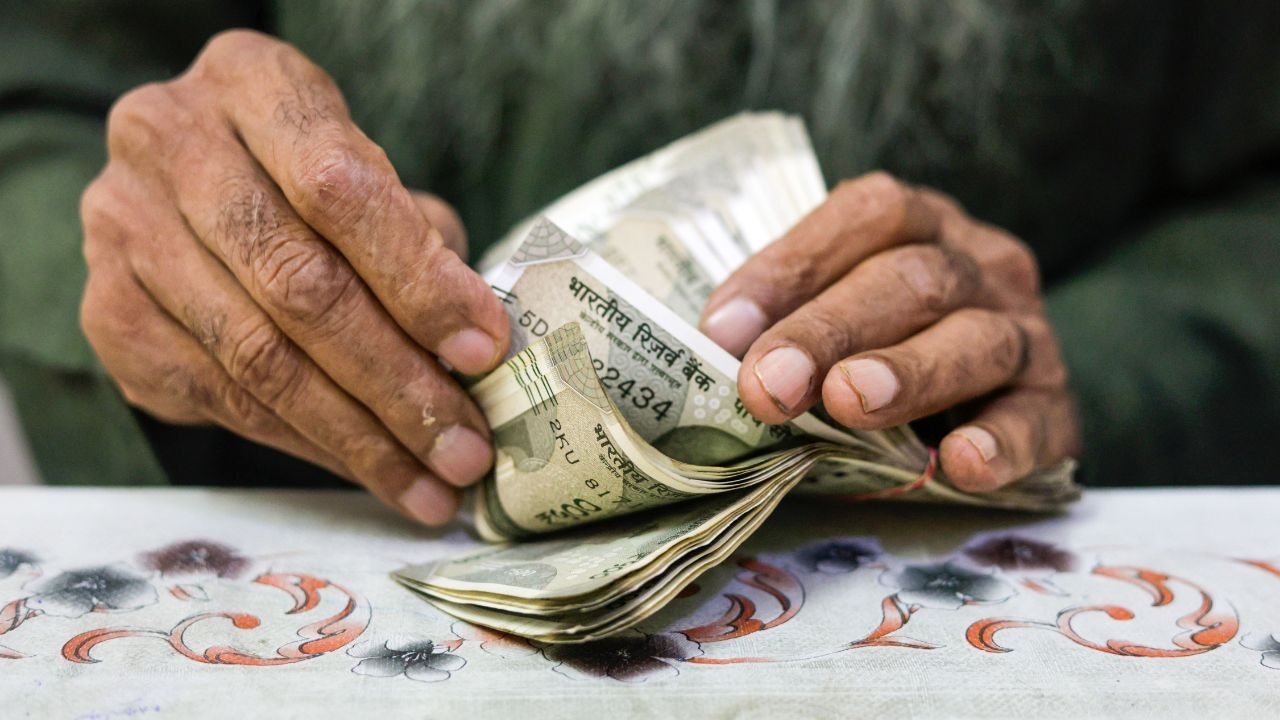
On a steady note, the Indian rupee opened Tuesday, only slightly adjusting as persistent demand for dollars from importers kept the currency within a tight range. As of 9:50 a.m. IST, the rupee was trading at 88.65 against the U.S. dollar, a minor slip from Monday's closing rate of 88.63.
For almost two weeks, the rupee has been fluctuating between 88.50 and 88.80, indicating consistent market activity. Traders noted that the Reserve Bank of India's ongoing dollar-selling interventions have helped prevent a sharp depreciation, even amidst sustained greenback demand.
Cautious sentiment was also reflected in domestic equity markets, with both the Sensex and Nifty 50 declining around 0.3% in early trades, though they outperformed broader Asian indices, which saw declines of about 2% due to weak global risk appetite.
Foreign investors turned net sellers, withdrawing $1.2 billion from Indian equities so far in November, bringing total outflows for 2025 to $17.2 billion. Market observers noted that a significant equity block deal on Tuesday placed additional pressure on the rupee, although some foreign banks provided dollars, helping to stabilize the flow.
Adding to the economic landscape, recent data indicated that India's merchandise trade deficit reached a record $41.68 billion in October, primarily driven by increased gold imports and a decrease in exports to the U.S. This scenario has kept currency traders alert, given the uncertainty in global cues.
The overall currency market remained stable, with the dollar index hovering near 99.5. Most Asian currencies showed weakness of between 0.1% to 0.6% ahead of significant U.S. economic reports slated for this week, including the much-anticipated September nonfarm payrolls data due Thursday.
Despite the fluctuations in global markets and internal flows, traders predict that the rupee will likely remain within its established range, with limited potential for sharp movements as long as the RBI continues its presence at the upper limit.