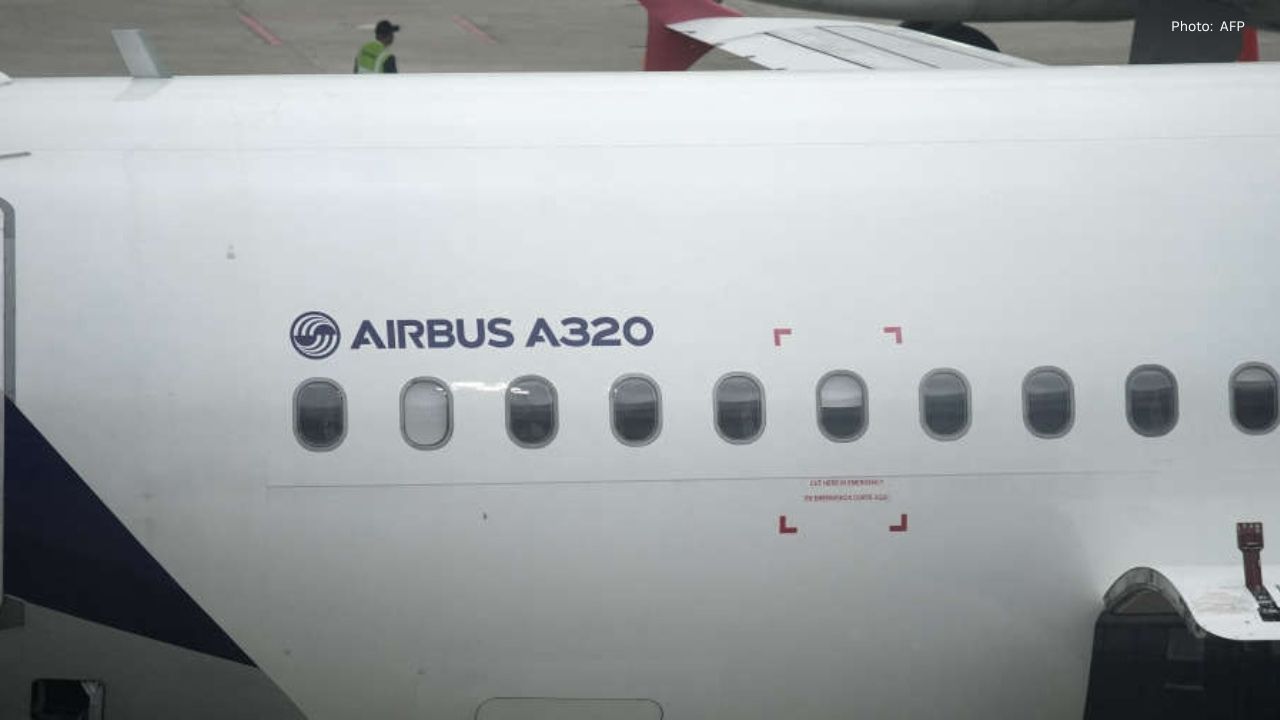
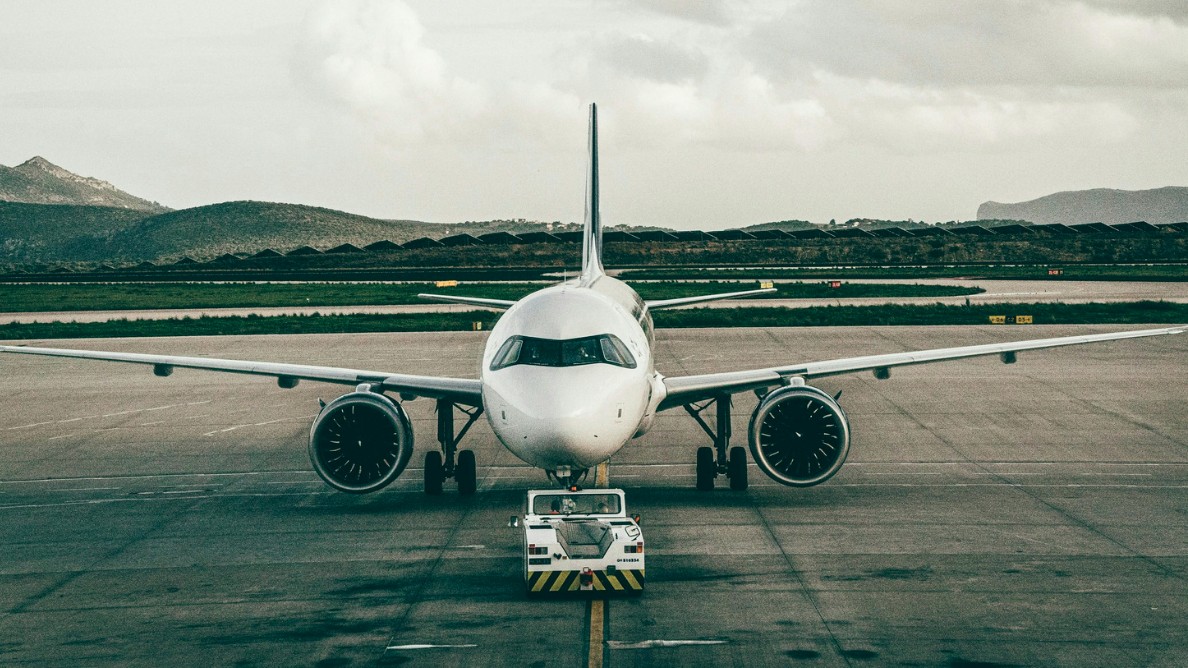
A substantial disruption has affected air travel across Asia as airlines scramble to address a software issue discovered in numerous Airbus A320 aircraft. The recall involves approximately 6,000 planes globally, resulting in delays and cancellations across various nations. The A320 series is among the most commonly operated aircraft, particularly in Asia, where millions depend on these jets for regional flights. The unexpected grounding of these planes has put airlines under pressure during a peak travel season.
The global recall was initiated following directives from aviation authorities for airlines to rectify a glitch affecting the software that manages critical components of the aircraft's maneuverability, including elevators and ailerons. These systems are vital for ensuring the safe functioning of the aircraft, especially during takeoff and landing operations. Experts assert that while the repair is straightforward—primarily involving a reset or return to previous software versions—every aircraft must complete the update prior to resuming flights. This requirement has led to extensive disruptions as airlines prioritize passenger safety.
In the U.S., the Federal Aviation Administration mandated that airlines fix the fault on A319, A320, and A321 models. During one of the year's peak travel weekends, the recall led to significant delays. However, its impact has been especially pronounced in Asia, where airlines maintain large fleets of Airbus A320 jets. India, for example, has over 330 aircraft affected. IndiGo, the largest airline in India, has successfully updated most of its fleet, while Air India is still in the process of completing the necessary fixes. Both carriers have cautioned travelers about potential delays and slight modifications to schedules.
In Taiwan, approximately two-thirds of the island’s A320 and A321 aircraft have been impacted. Officials instructed local airlines to expedite checks and complete repairs without delay. Japan experienced severe interruptions as well. ANA Holdings had to cancel 65 flights in just one day, anticipating further disruptions. Given its extensive operations with A320 jets, these recalls affected its weekend travel plans. Conversely, Japan Airlines, predominantly using Boeing aircraft, didn't report major delays.
The ripple effects have extended across Australia, South Korea, Germany, the United Kingdom, Colombia, and beyond. In Australia, Jetstar noted significant delays, particularly at major airports such as Melbourne. Asiana Airlines in South Korea indicated no major issues foreseen, while Korean Air had a portion of its fleet under repair. Lufthansa in Germany and easyJet in the UK have also confirmed they will carry out the software update on their respective A320 fleets. In Colombia, Avianca has temporarily halted ticket sales for flights up to December 8 as over 70% of its fleet requires this software repair.
Airbus clarified that the issue came to light following a severe incident on October 30, when a JetBlue flight traveling from Mexico to the U.S. faced a sudden altitude drop, injuring several passengers. Investigations connected this event to the software issue, prompting regulators to advocate for a global recall to prevent similar occurrences.
Although the repairs are not technologically demanding, the recall marks one of the largest in Airbus history. It underscores the dependence of modern aircraft on intricate software systems, where even minor errors can produce widespread ramifications. Airlines now face a dilemma of maintaining safety while catering to travel demands. For the traveling public, this situation calls for patience as carriers work diligently to restore aircraft to service.
The travel industry remains optimistic that most aircraft will be back to normal operations soon. Yet, this recall serves as a crucial reminder that safety is paramount, even if it leads to delays. As airlines throughout Asia and worldwide proceed with rectifying their fleets, passengers are encouraged to stay updated on flight statuses and anticipate possible schedule adjustments.