Saskatchewan Cities Shrouded in Smoke: Wildfire Crisis Engulfs Saskatoon and Regina
A dense, toxic haze has rolled over Saskatchewan this week as wildfire smoke from northern regions of the province swept southward, triggering high-risk air quality warnings in both Saskatoon and Regina. The grey skies, tinged with an apocalyptic orange hue, have transformed summer’s vibrancy into a hazardous atmosphere, raising significant public health concerns and environmental alarms. The source of this unsettling scenario is the out-of-control wildfires burning across northern Saskatchewan, which have not only threatened local ecosystems but have now also impacted urban populations far beyond the fire zones.
This event isn’t isolated. It's part of a disturbing pattern of intensifying wildfire seasons across Canada, fueled by rising global temperatures, prolonged droughts, and erratic wind patterns. In this detailed examination, we’ll explore the causes of the smoke surge, the health and environmental risks it poses, how cities are responding, and what this unfolding crisis says about the future.
The Smoke’s Origin: Wildfires Raging Across Northern Saskatchewan
Saskatchewan is currently facing one of its most active wildfire seasons in recent memory. Multiple fires—many considered uncontrolled—are burning through the boreal forests of the province’s northern regions. The extremely dry conditions paired with strong winds from the north have allowed smoke from these fires to travel hundreds of kilometers, blanketing the southern cities of Saskatoon and Regina.
Meteorologists reported that wind currents rapidly funneled particulate-heavy smoke from wildfire zones near La Loche and Pinehouse Lake, through the heart of the province and into densely populated southern areas. This has placed more than half of Saskatchewan’s population under direct threat from poor air quality, even if flames remain hundreds of kilometers away.
This movement of wildfire smoke illustrates a sobering reality: the effects of wildfires are no longer confined to remote, wooded landscapes. Their consequences can be felt far and wide—by communities who never see the flames but still inhale their aftermath.
Air Quality Reaches Dangerous Levels: AQHI Hits ‘Very High Risk’
As the smoke settled, Environment Canada issued Air Quality Health Index (AQHI) advisories in both Saskatoon and Regina, registering levels of 10+, classified as “very high risk.” This index, used across Canada to measure air pollution’s impact on health, is designed to inform the public about potential dangers and help guide outdoor activity decisions. A reading of 10+ means that even healthy individuals could experience symptoms, and those with preexisting conditions such as asthma or heart disease are urged to avoid all outdoor activity entirely.
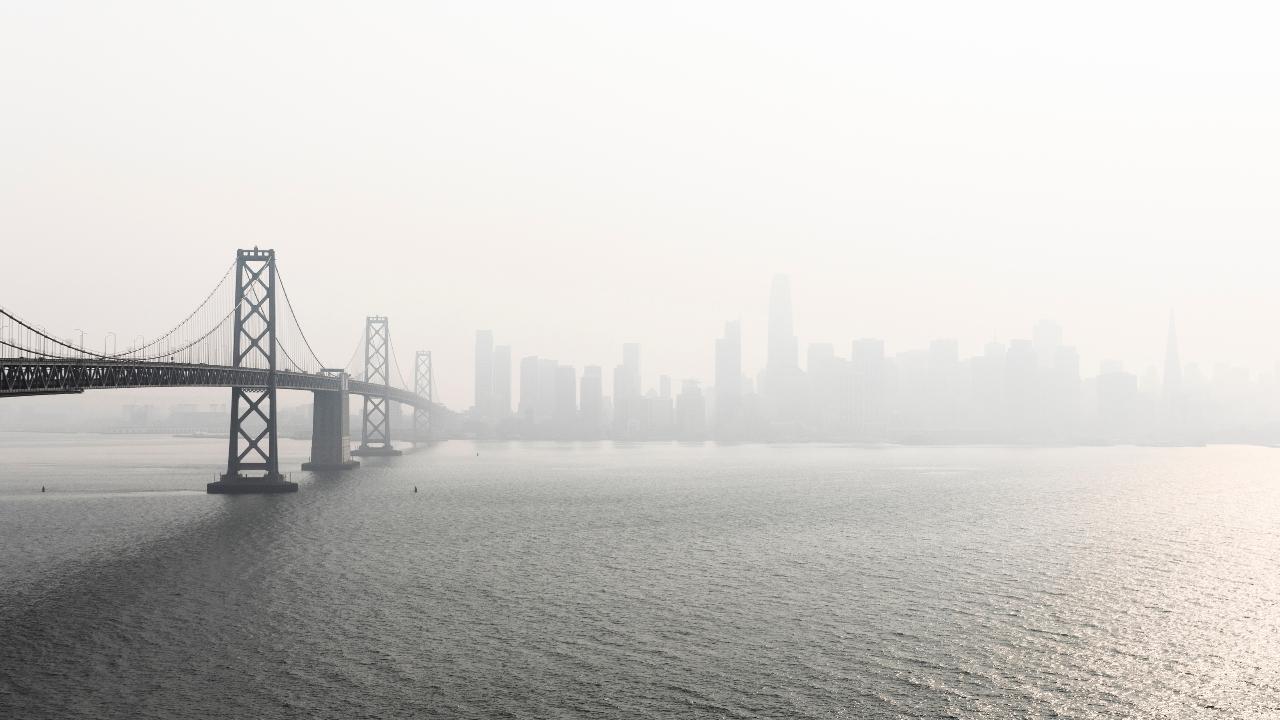
Experts warned that conditions could remain dangerous for several days, especially if winds remain unfavorable. At its peak, visibility dropped significantly in parts of both cities, with landmarks and cityscapes blurred by a thick, yellow-grey fog. Residents described burning eyes, sore throats, headaches, and difficulty breathing, even during short walks outside.
These symptoms are attributed to fine particulate matter (PM2.5) in the air. These particles are 2.5 micrometers or smaller in diameter—about 30 times smaller than the width of a human hair—allowing them to penetrate deep into the lungs and even enter the bloodstream. Their effects can be immediate or cumulative, affecting respiratory, cardiovascular, and immune systems.
Who’s Most at Risk? Vulnerable Populations Face Greater Danger
While everyone is advised to limit exposure during a smoke event of this scale, certain populations are at elevated risk:
-
Children and infants, whose lungs are still developing.
-
Elderly individuals, particularly those with heart or lung disease.
-
People with chronic respiratory conditions, such as asthma, COPD, or bronchitis.
-
Pregnant individuals, due to links between smoke exposure and complications.
-
Outdoor workers, including delivery personnel, construction crews, and municipal staff.
In these groups, symptoms may escalate quickly and require medical attention. Some healthcare providers in both Regina and Saskatoon have reported an increase in respiratory-related visits, including asthma attacks, labored breathing, and even arrhythmia in some heart patients. Pharmacies also experienced a rush on inhalers and N95 respirators, which are proven to block most wildfire-related particles when fitted properly.
How Cities Are Responding: Emergency Measures and Public Health Messaging
Municipal and provincial governments are coordinating responses to the smoke emergency, focusing on public safety, awareness, and adaptive infrastructure.
In Saskatoon, the city has:
-
Distributed air quality bulletins via local radio, social media, and text alerts.
-
Issued guidelines for outdoor event cancellations, especially for schools, daycare centers, and recreation programs.
-
Mobilized resources for "clean air spaces" at libraries and community centers—facilities equipped with HEPA filtration systems for vulnerable populations.
In Regina, officials:
-
Postponed outdoor sports matches, including a planned Saskatchewan Roughriders event.
-
Advised employers to implement modified outdoor work schedules or shift employees indoors.
-
Collaborated with local NGOs to provide masks and air purifiers to residents without access.
Across the province, Saskatchewan’s Ministry of Health has urged residents to closely monitor the AQHI and avoid physical exertion outdoors. The provincial air quality forecast is now updated hourly instead of daily, reflecting the severity of the situation.
Inside the Haze: How Wildfire Smoke Affects the Body
The effects of wildfire smoke aren’t limited to the lungs. Research shows that PM2.5 and associated toxins from wildfires can affect multiple body systems:
-
Cardiovascular system: Increases in heart attacks, strokes, and irregular heartbeats are documented during prolonged smoke events.
-
Nervous system: Studies suggest links between fine particle exposure and cognitive impairment or mood disorders, especially in children and older adults.
-
Reproductive health: Emerging data point to higher risks of low birth weight and premature delivery when pregnant individuals are exposed to persistent wildfire smoke.
-
Immunity and recovery: Prolonged exposure may suppress immune function, making recovery from common illnesses slower.
These risks are amplified when smoke events last more than a few days—which, increasingly, they do. The cumulative exposure across weeks or even seasons may have long-term public health consequences still not fully understood.
A Larger Pattern: Why Wildfires Are Getting Worse in Canada
The air quality emergency in Saskatoon and Regina is part of a larger story—a trend that scientists say is intensifying year after year. Canada’s wildfire seasons have grown longer, hotter, and more destructive, with 2023 and 2024 already setting grim records.
Now, 2025 is on pace to match or exceed previous damage levels. As of mid-July, more than 5.5 million hectares of land had burned across the country. Climate experts attribute this escalation to several interlinked causes:
-
Hotter, drier summers: Warmer air absorbs more moisture, drying out forests and making them tinderboxes.
-
Earlier snowmelts: Less snowpack and earlier thaws create longer fire seasons.
-
Invasive pests: Beetles and fungi weaken trees, increasing fuel for fires.
-
Lightning storms: More frequent due to atmospheric instability.
This year’s fires in Saskatchewan are feeding into that national narrative—forests that were once moist and green now burn with the intensity and scale once associated only with California or Australia.
Protecting Yourself: Essential Smoke Safety Tips for Residents
To safeguard your health while the smoke lingers, experts recommend the following:
-
Stay indoors as much as possible.
-
Keep windows and doors closed, and use damp towels to seal air gaps.
-
Run air purifiers with HEPA filters if available.
-
Avoid burning candles or incense, which add particulates to indoor air.
-
Refrain from vacuuming, unless using a HEPA vacuum, as it may stir up particles.
-
Use N95 or KN95 masks if you must be outside. Cloth masks or surgical masks are not effective against smoke particles.
-
Monitor symptoms, and seek help if experiencing shortness of breath, chest pain, or confusion.
-
Limit screen time and monitor children closely, who may not articulate early symptoms.
A Glimpse of the Future: Preparing for Recurring Smoke Seasons
As climate models predict more frequent and severe wildfires across North America, many cities are rethinking urban planning and public health priorities. Saskatoon and Regina will need to:
-
Expand access to clean air shelters and public indoor spaces with proper filtration.
-
Update HVAC standards in public buildings to include wildfire-specific air filtration.
-
Educate communities about smoke events, air quality indices, and emergency response.
-
Improve tree and green-space management to create fire-resistant buffers near populated areas.
In other words, wildfire smoke is no longer a distant or rare problem—it’s becoming a regular part of life. Urban resilience will depend on infrastructure that protects people not just from fire but from the air it produces.
A Smoky Wake-Up Call for Saskatchewan
The smoke-filled skies over Saskatoon and Regina serve as more than just an immediate health hazard—they're a climate alarm bell. The wildfires behind the haze are symptomatic of a hotter, drier Canada, where cities once spared from fire season must now develop new strategies for survival and sustainability.
For now, residents must remain vigilant: check the AQHI daily, follow safety guidelines, support neighbors who may be at greater risk, and advocate for long-term solutions that address both the cause and the consequence of wildfire smoke.
This isn’t just a bad week. It’s a preview of the challenges ahead—and a chance to prepare wisely.