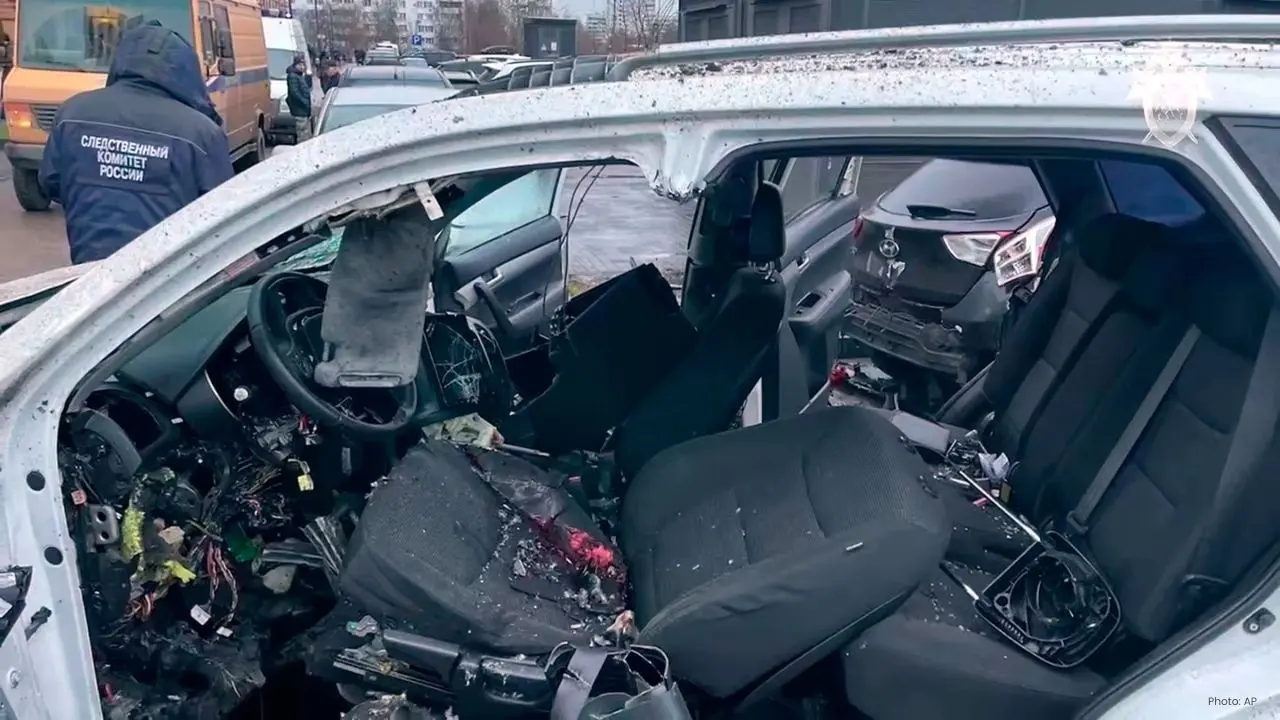
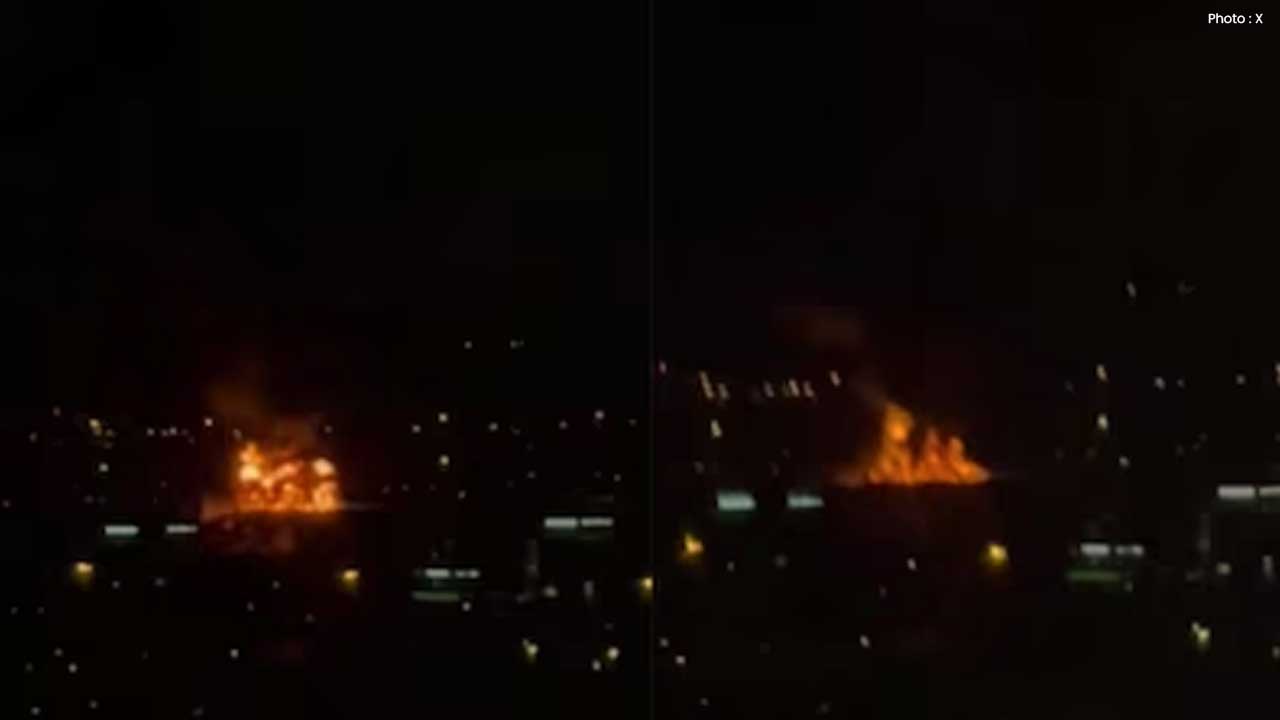
A high-ranking Russian military official lost his life on Monday in a car bomb explosion, marking the third assassination of a senior Russian officer in just over a year. Russian authorities are probing into the potential involvement of Ukrainian intelligence in this incident.
Lieutenant General Fanil Sarvarov, who led the Operational Training Directorate of the Russian Armed Forces’ General Staff, died from injuries inflicted by the blast. He was 56 years old. The announcement was made by Svetlana Petrenko, spokesperson for Russia’s Investigative Committee, the principal body overseeing criminal investigations in the country.
Petrenko indicated that investigators are looking into various scenarios, including the theory that Ukrainian intelligence agencies might have orchestrated the assassination. She emphasized that the investigation remains active and that no definitive conclusions have been reached yet.
Kremlin Informed, Security Measures Assessed
Kremlin spokesperson Dmitry Peskov confirmed that President Vladimir Putin was promptly informed of Sarvarov’s passing. Sarvarov had a notable history of service, participating in military operations in Chechnya and later being involved in Moscow’s efforts in Syria.
Since the onset of Russia's extensive military engagement in Ukraine nearly four years ago, Moscow officials have consistently accused Kyiv of targeting its military leaders and prominent figures. While Ukraine has claimed responsibility for several previous attacks, it has refrained from addressing the specifics of Monday’s incident.
Escalating Series of Executions
This assassination follows a trend of similar incidents. Last year, Lieutenant General Igor Kirillov, head of Russia’s nuclear, biological, and chemical protection forces, was killed when a bomb concealed on an electric scooter detonated outside his residence. A suspect was swiftly apprehended in connection with that attack, which was later claimed by Ukraine’s security service.
President Putin referred to Kirillov's death as a significant oversight by Russia's security apparatus, urging them to enhance protective protocols for high-ranking officials.
In April, another notable officer, Lieutenant General Yaroslav Moskalik, deputy head of the General Staff’s main operational department, was killed by an explosive device planted in his vehicle near Moscow. A suspect was rapidly captured after the incident.
Shortly after Moskalik’s death, Ukrainian President Volodymyr Zelenskyy mentioned that he had received information regarding the “liquidation” of Russian military leaders, indicating that accountability would follow without naming individuals.
Wider Escalation Beyond the Warfront
As Ukraine combats a stronger and more advanced Russian military, it has increasingly employed unexpected tactics, including surprise ground attacks, drone strikes on military facilities, and ongoing assaults on Russia’s Black Sea naval capabilities, compelling Moscow to rethink its strategic deployments.
In parallel, Western officials have accused Russia of conducting sabotage operations throughout Europe to undermine support for Ukraine. Moscow has categorically denied these accusations.
The assassination on Monday has intensified worries regarding internal security within Russia, as the conflict increasingly permeates into urban centers, extending beyond the frontline.