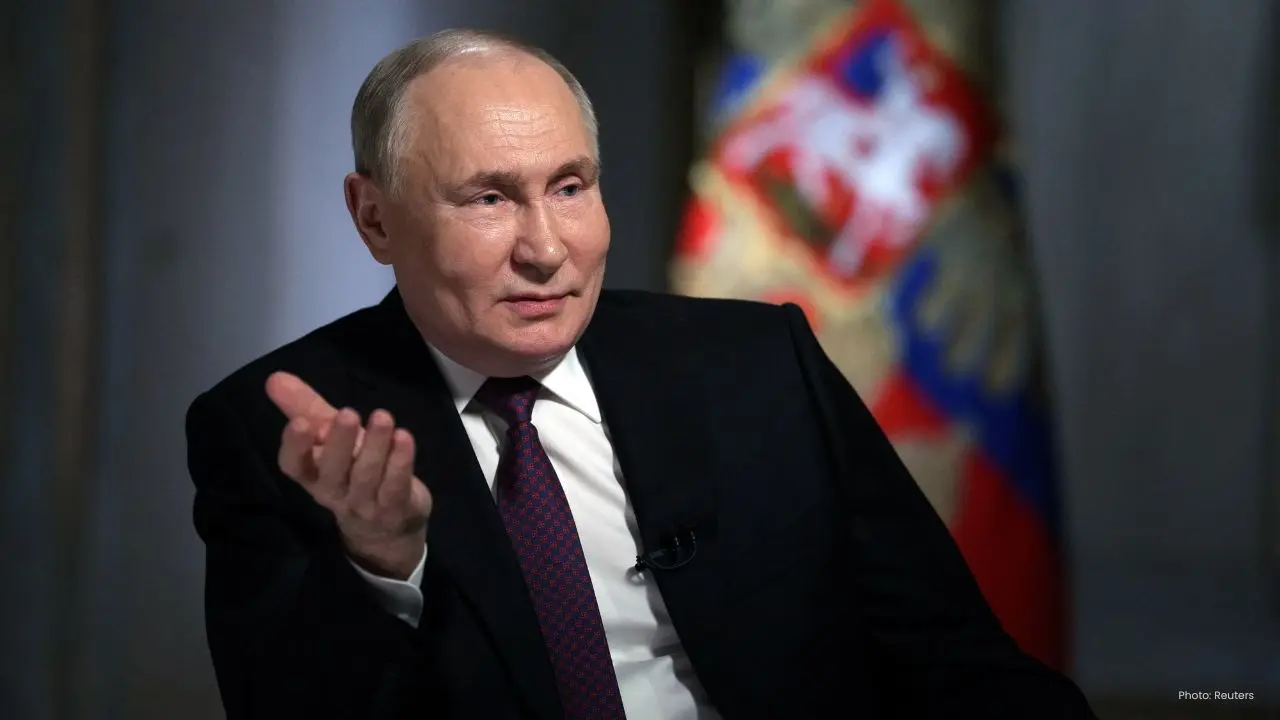
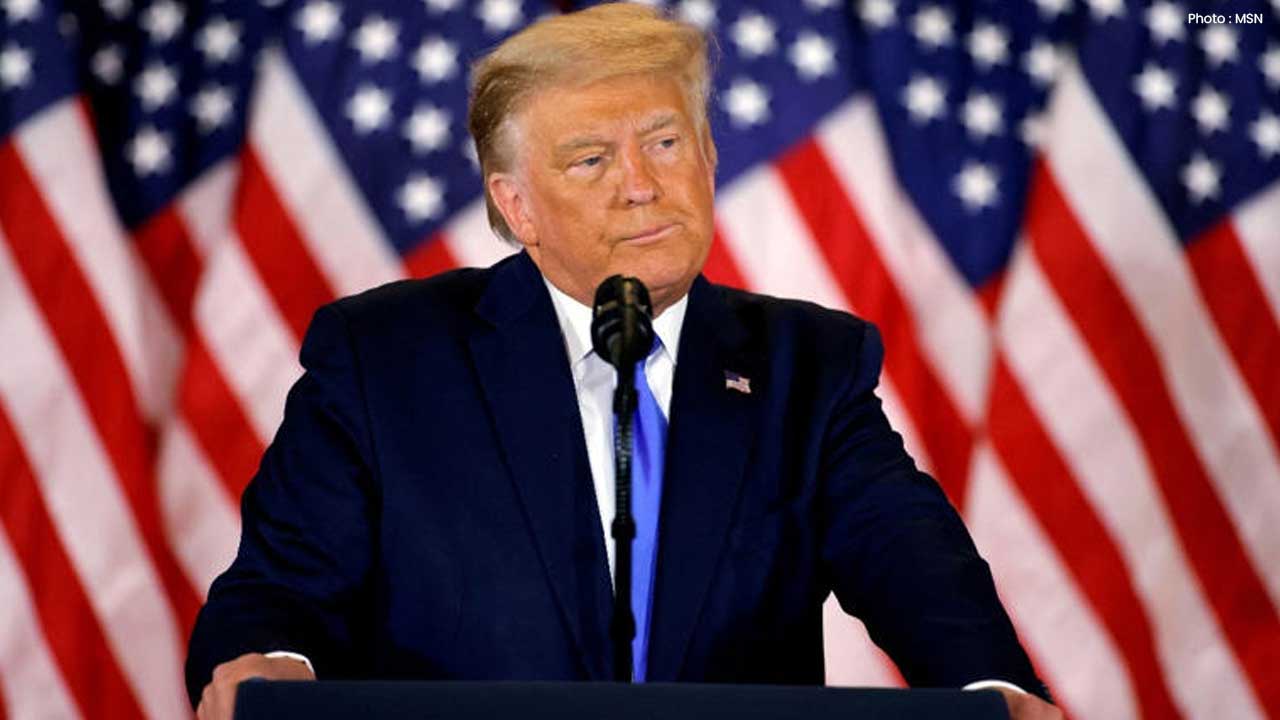
In a tense diplomatic exchange, Russian President Vladimir Putin engaged US representatives for over five hours in Moscow on Tuesday, aiming to advance discussions on a peace framework for Ukraine. Despite the presence of key figures such as Trump’s special envoy Steve Witkoff and Jared Kushner, the meeting concluded without a consensus.
A spokesperson for the Kremlin described the discussions as “constructive,” yet noted that critical aspects of the proposal remained unacceptable from Russia’s standpoint. Earlier statements by Putin indicated that any European moves to escalate the conflict would result in swift Russian responses.
Ukraine and its European allies have urged the US to revisit a draft peace proposal that seemed to offer advantages to Russia following a November leak. Efforts to amend this draft to address Ukraine’s territorial integrity and security needs have not secured full approval from Moscow.
Yuri Ushakov, an aide to Putin, confirmed that while some areas of agreement exist, significant disagreements endure. A major sticking point remains Ukraine’s demand to maintain control over eastern regions and their request for substantial European security guarantees, including NATO membership—an unacceptable condition from Russia’s perspective.
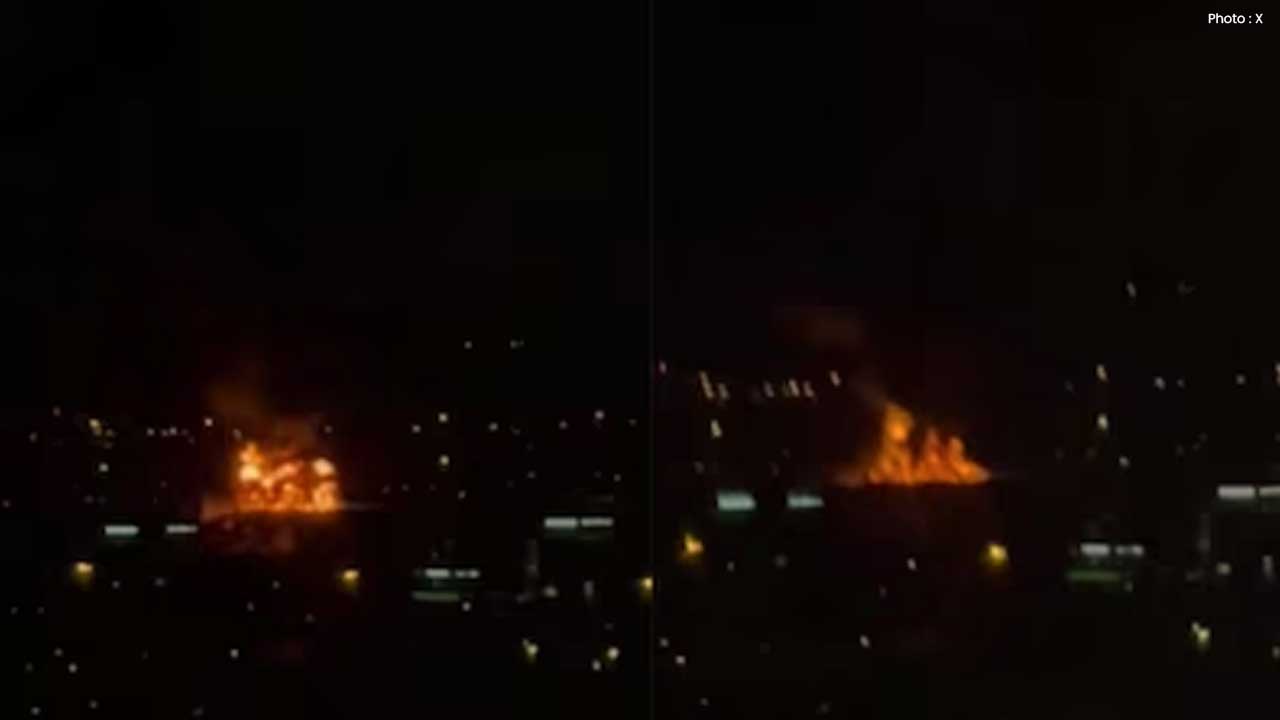
Ongoing military clashes further complicate matters. Ukrainian forces have reported skirmishes in Pokrovsk, countering claims from Russia regarding territorial advancements. Similar tensions have surfaced in regions like Vovchansk and Kupyans, underscoring the divergence between on-ground realities and official statements.
President Volodymyr Zelensky has underscored the critical nature of the situation, stating that resolving the conflict “now more than ever” demands meticulous negotiation. Ukrainian representatives continue to engage with US officials, while European leaders are also formulating their own proposals.
As diplomatic efforts stall, the humanitarian crisis worsens. Since the aggressive military action began in 2022, tens of thousands of military personnel and over 14,000 civilians have suffered fatalities or injuries. Critical civilian infrastructures, such as schools and healthcare facilities, endure continuous assaults at night.
These talks highlight the intricate nature of the conflict: disputes over territory, security assurances, and global expectations remain deeply divisive. While both parties express a readiness to negotiate, achieving a durable ceasefire appears increasingly challenging.