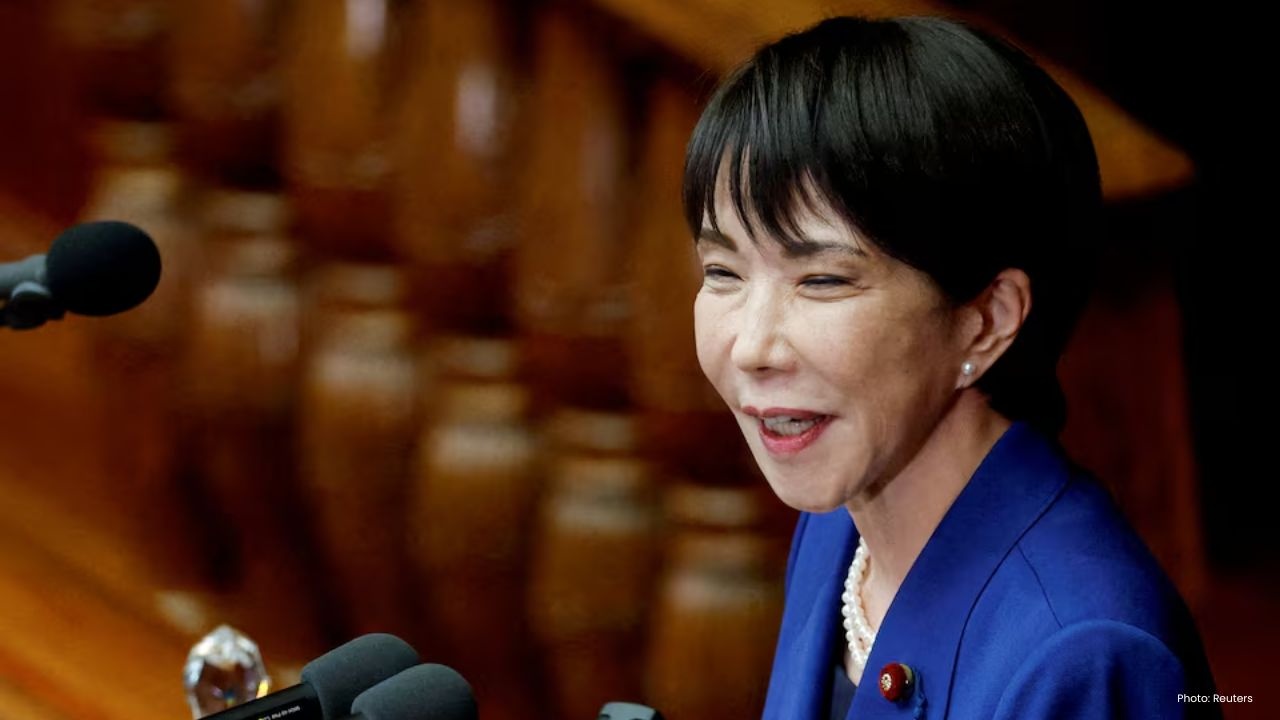
Tokyo finds itself in a deepening diplomatic rift with Beijing, ignited by Prime Minister Sanae Takaichi's stark warning regarding potential military involvement should China attempt to invade Taiwan. This rising tension threatens to unravel economic relationships between two of the globe’s key trading partners.
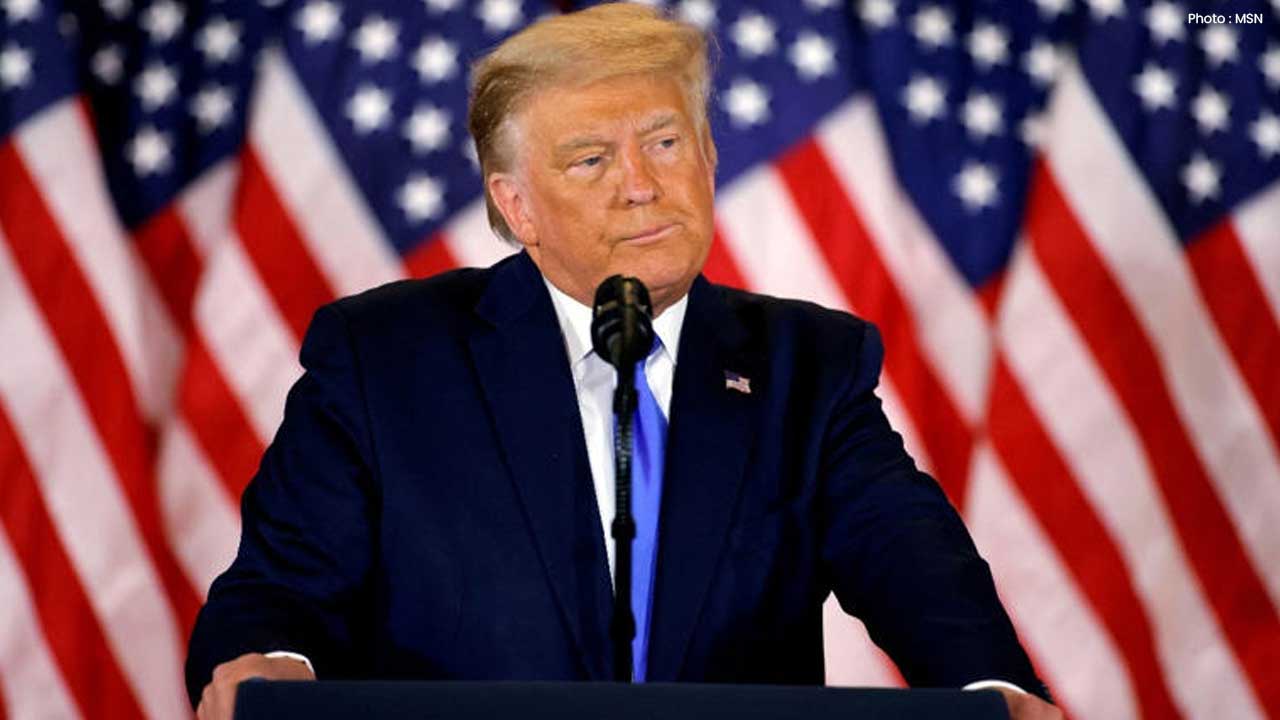
During her introductory parliamentary address since taking office last October, Takaichi emphasized that an assault on Taiwan could represent a grave threat to Japan, which is located just 110 kilometers from Taiwan's mainland. Although Japan's constitution typically prohibits military action in international conflicts, a 2015 law permits Tokyo to engage in collective self-defense in designated scenarios—an approach that Takaichi's government is now actively pursuing.
The Communist Party of China regards Taiwan as a breakaway region and has consistently asserted its goal of reunification, potentially through military means. Takaichi’s statements echo the assertive position of her predecessor Shinzo Abe, prompting swift criticism from Beijing, which characterized her remarks as a “military threat,” warning Japan not to endorse the “Taiwan independence separatist forces.”
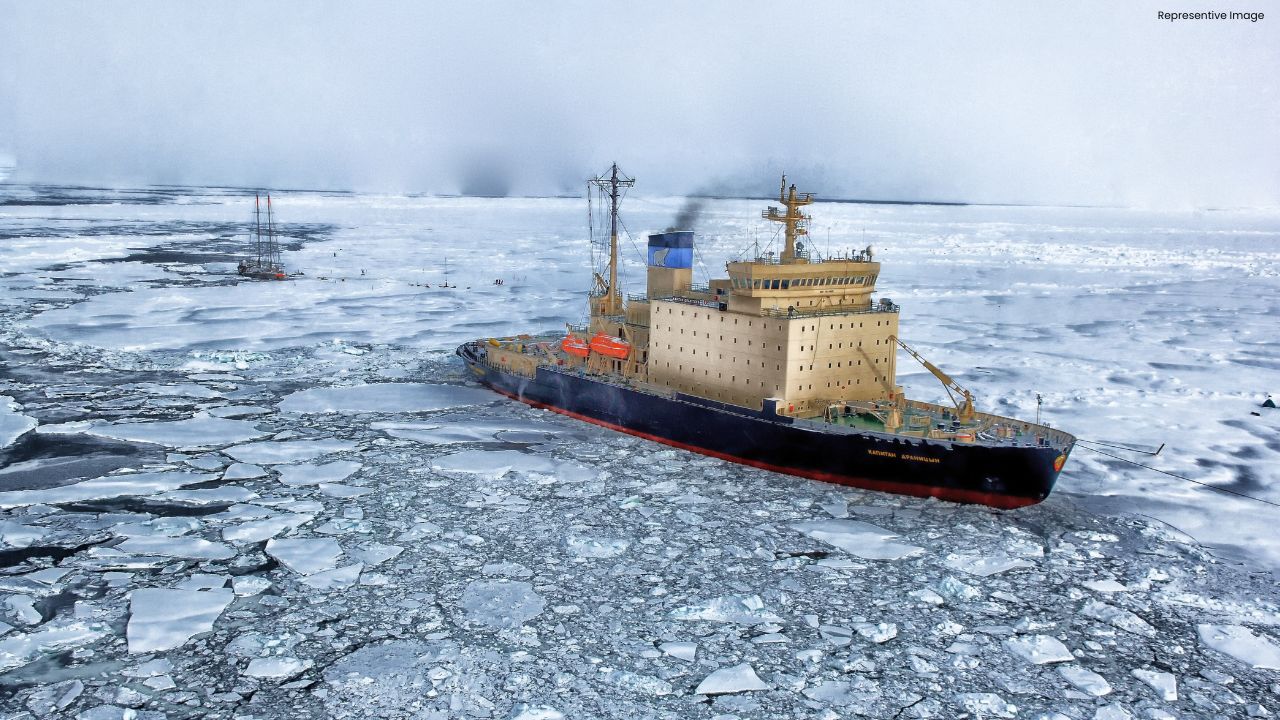
Public confrontations ensued, with Beijing advising its citizens to avoid travel to Japan, citing unverified security concerns. Chinese state media branded Takaichi’s comments as “dangerously provocative.” Furthermore, China showcased its military might by sending coast guard vessels near contested Senkaku Islands and deploying drones past Japan's Yonaguni island.
Understanding the historical context is crucial; Taiwan was under Japanese governance for nearly fifty years before being transferred to the Republic of China post-World War II. While China claims sovereignty over Taiwan, it has never ruled the island. Experts warn that any military flare-up regarding Taiwan could entangle regional players, including Japan, which has a substantial US military presence.
Immediate economic fallout is apparent as Chinese travel advisories disrupt tourism and student exchanges, impacting millions and putting billions at stake. Following the Chinese advisory, Japan's retail and tourism sectors recorded sharp stock declines.
While a full-scale military conflict seems unlikely for now, experts caution that ongoing naval and aerial operations in disputed waters could lead to miscalculations. To navigate this crisis, both nations have recalled ambassadors, and Japan has sent a senior envoy to Beijing in an attempt to ease tensions, indicating that the path to diplomacy will be crucial in the forthcoming weeks.