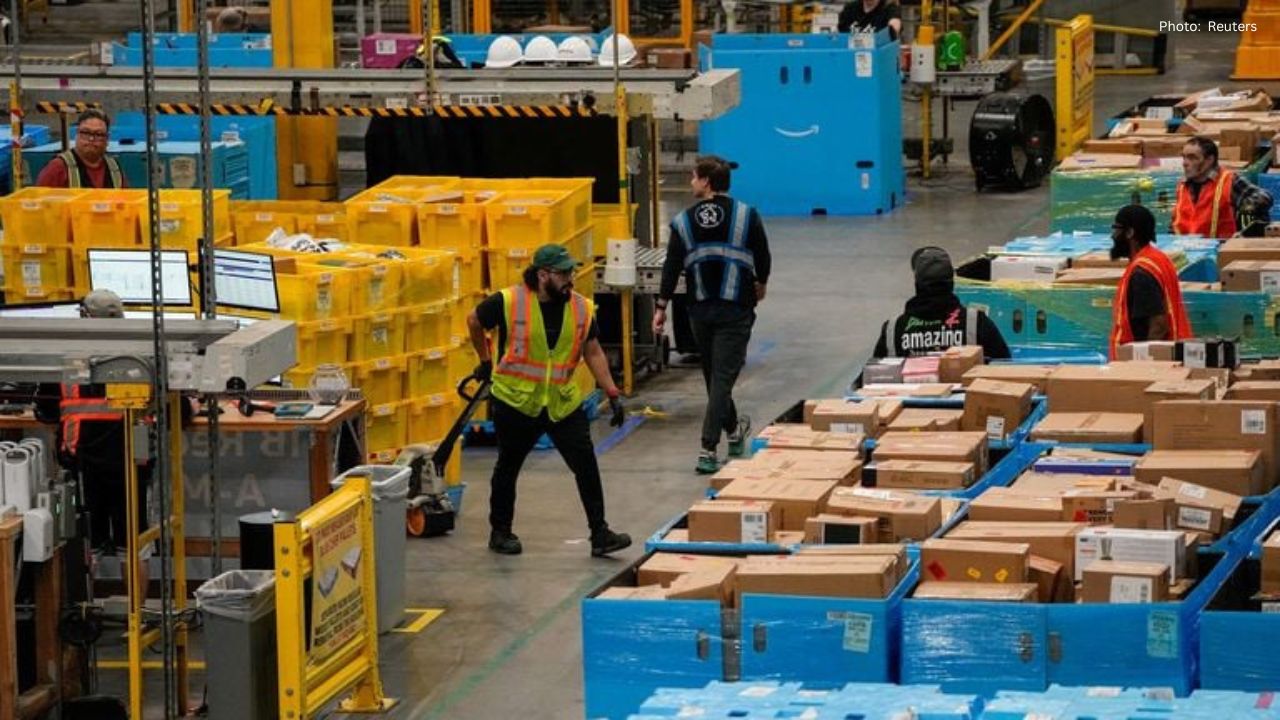
As the holiday season kicks off, U.S. consumers are demonstrating resilience with an impressive surge in online shopping. In the three days following Thanksgiving, Americans spent a remarkable $23.6 billion online, surpassing forecasts and boosting retailer optimism.
According to data from Adobe Analytics, spending on Cyber Monday soared to $9.1 billion early in the day, with final totals estimated between $13.9 billion and $14.2 billion. If these predictions are accurate, the cumulative spending from Thanksgiving through Cyber Monday would climb to approximately $43.7 billion.
Despite predictions of lackluster sales due to heightened inflation and fluctuating consumer sentiment, shoppers—particularly those with disposable income—were eager to spend. Even budget-conscious individuals found ways to allocate funds for holiday gifts and take advantage of significant discounts.
Retail analysts noted that online spending this year exceeded last year's Cyber Monday figures, with anticipated growth reaching up to 6.3%. Mark Mathews, chief economist at the National Retail Federation, emphasized that shoppers were preoccupied with securing deals rather than dwelling on economic anxieties. He highlighted that despite recent government shutdowns, steady wages continue to empower consumer spending.
Black Friday also saw record online shopping figures, gathering $11.8 billion in sales. However, survey results painted a mixed picture, revealing consumers were less inclined toward impulse purchases and more meticulous in evaluating discounts. Retail giants like Walmart and Target adjusted their messaging to ensure clarity, reflecting a growing consumer concern over misleading promotional offers.
In a bid to attract shoppers, some retailers delivered deeper discounts than usual. Amazon, for instance, slashed prices on a variety of items—from high-tech devices to daily necessities—enhancing the holiday shopping experience. Industry analysts interpret this as evidence that even affluent consumers are becoming more price-conscious.
A notable trend was the rise of Buy Now, Pay Later (BNPL) services such as Affirm and Klarna, utilized by about 38% of shoppers over the weekend, particularly among younger demographics. Adobe indicated that BNPL usage increased by 9% on Black Friday and was expected to exceed $1 billion on Cyber Monday.
Technology played a crucial role this season, with many shoppers utilizing AI tools and chatbots for price comparisons and deal hunting. Adobe reported a substantial rise in AI-related web traffic to online retailers, largely driven by tools like Amazon's Rufus and Walmart's Sparky, which enhance shopping efficiency. CivicScience found that 40% of holiday shoppers ventured into AI assistance over the weekend, particularly among younger consumers.
This year's holiday shopping experience presents a complex yet encouraging narrative. While Americans contend with high prices, their eagerness to buy gifts and capitalize on discounts is evident. Retailers may encounter hurdles, but robust online engagement signals that consumers are adapting, prioritizing bargains, and leveraging digital tools for astute purchasing decisions. As the shopping season unfolds, both buyers and sellers will closely monitor its trajectory.