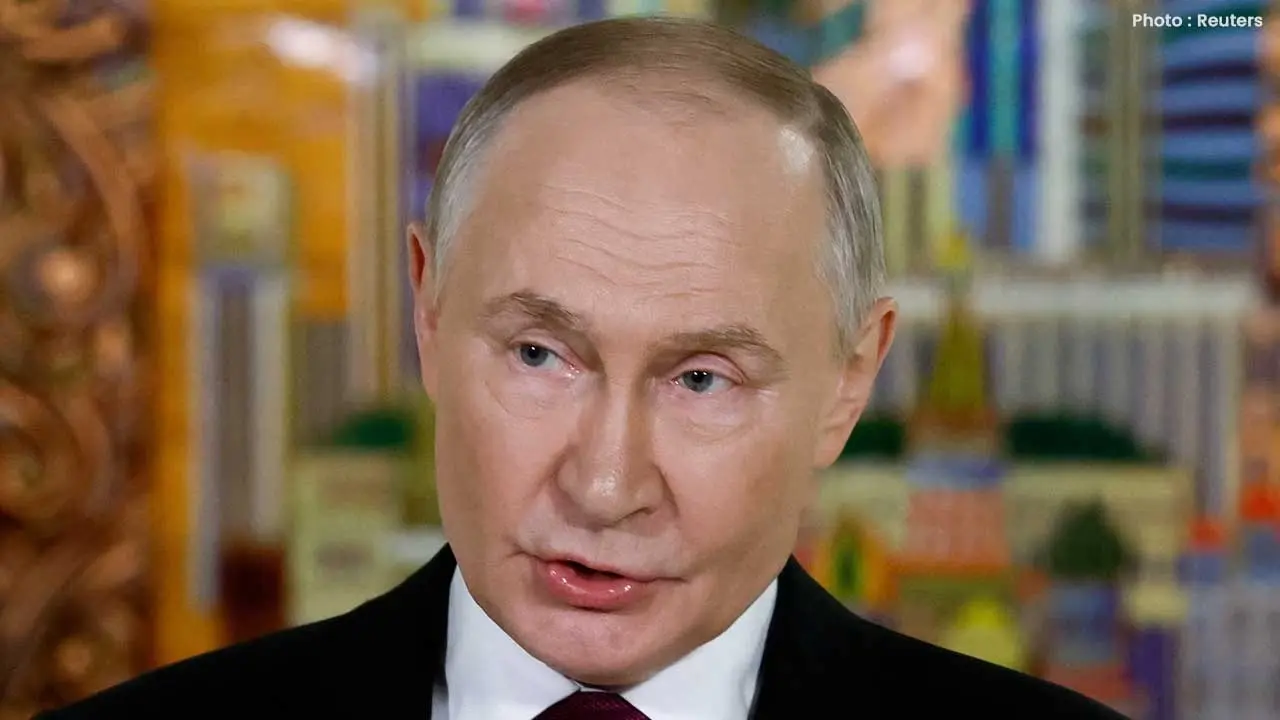
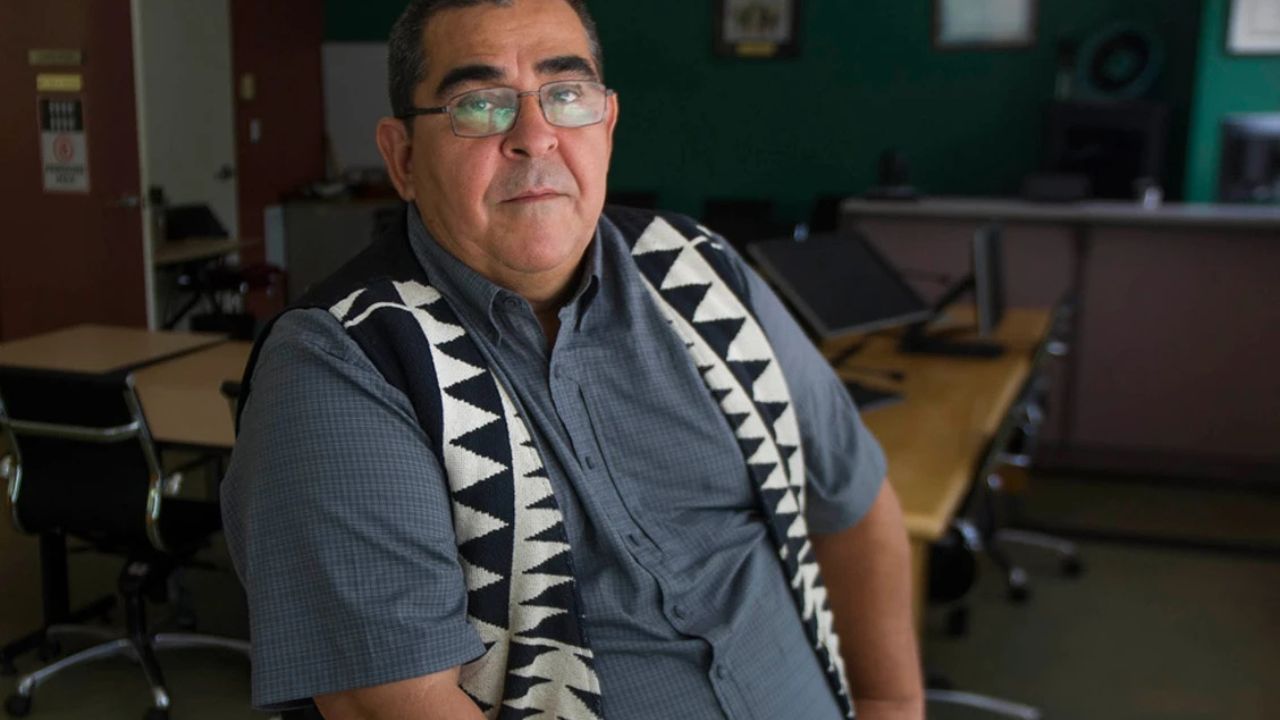
The recent visit of Russian President Vladimir Putin to New Delhi has intensified discussions in the United States about India's deepening ties with Moscow amid evolving global dynamics. According to Michael Kugelman, Senior Fellow for South Asia at the Atlantic Council, India may celebrate the strong optics and extensive agreements from the visit, but it has triggered concerns in Washington regarding the trajectory of India-Russia relations.
During the summit, a comprehensive joint statement was released alongside a renewal of military and commercial partnerships, which could be perceived in Washington as India enhancing its relationship with Russia while the US is striving to refocus on peace negotiations in Ukraine. Despite Prime Minister Narendra Modi's outreach to Kyiv and his message that "this is not an era of war," Kugelman believes the visit underscores the limitations of India’s strategic autonomy in a polarized global landscape.
The timing of the visit has further fueled apprehensions. A postponed Quad summit, a delayed visit from former President Donald Trump to India, and ongoing US sanctions against Moscow enhance the complications. India's decision to curb Russian oil imports shortly before Putin's arrival highlights the challenges New Delhi faces in balancing demands from both Russia and Western nations.
Although India's recent gas agreement with the US may alleviate some concerns, Kugelman cautions that Washington might still expect further concessions. Trade disputes remain a core issue as India anticipates repercussions from potential US tariffs and mixed signals regarding Trump's views on India's economy and its relationship with Modi. Historically, nations seeking tariff exemptions from Trump have had to concede significantly, adding complexity to India’s diplomatic juggling.
Kugelman noted the stabilizing potential of Sergio Gor, the new US ambassador to India and a loyal Trump supporter keen on strengthening India-US relations. He pointed out the disparity between the tough rhetoric from the White House and the partnership-focused approaches of the US State Department, Defense Department, and Congress, emphasizing that despite recent friction, bipartisan support for India remains robust.
On the topic of South Asian security, Kugelman evaluated the recent tensions between India and Pakistan, as well as the delicate ceasefire. He warned that India’s stringent stance, particularly against Pakistan-backed terror being viewed as acts of war, could trigger renewed conflict under the right provocations. While Pakistan's military and civilian leadership gained public backing during the preceding conflict, contentious constitutional changes and Army Chief Asim Munir’s promotion might jeopardize the nation’s internal and external stability.
Kugelman also addressed China's growing influence in the region and what it entails for India and the US. He remarked that the Trump administration's China strategy remains unclear, oscillating between confrontational rhetoric and pragmatic restraint. While competition with Beijing is expected to persist, Washington will likely avoid steps that could provoke retaliation from China, potentially altering Indo-Pacific relationships and complicating India's strategic considerations.
Despite these hurdles, Kugelman expressed tempered optimism for India-US relations. Both nations are inclined to foster a solid partnership and maintain high-level dialogues. "It’s a challenging period, but not a tipping point," he stated. "There is a sincere commitment in Washington to revive this relationship. It’s merely a matter of timing."