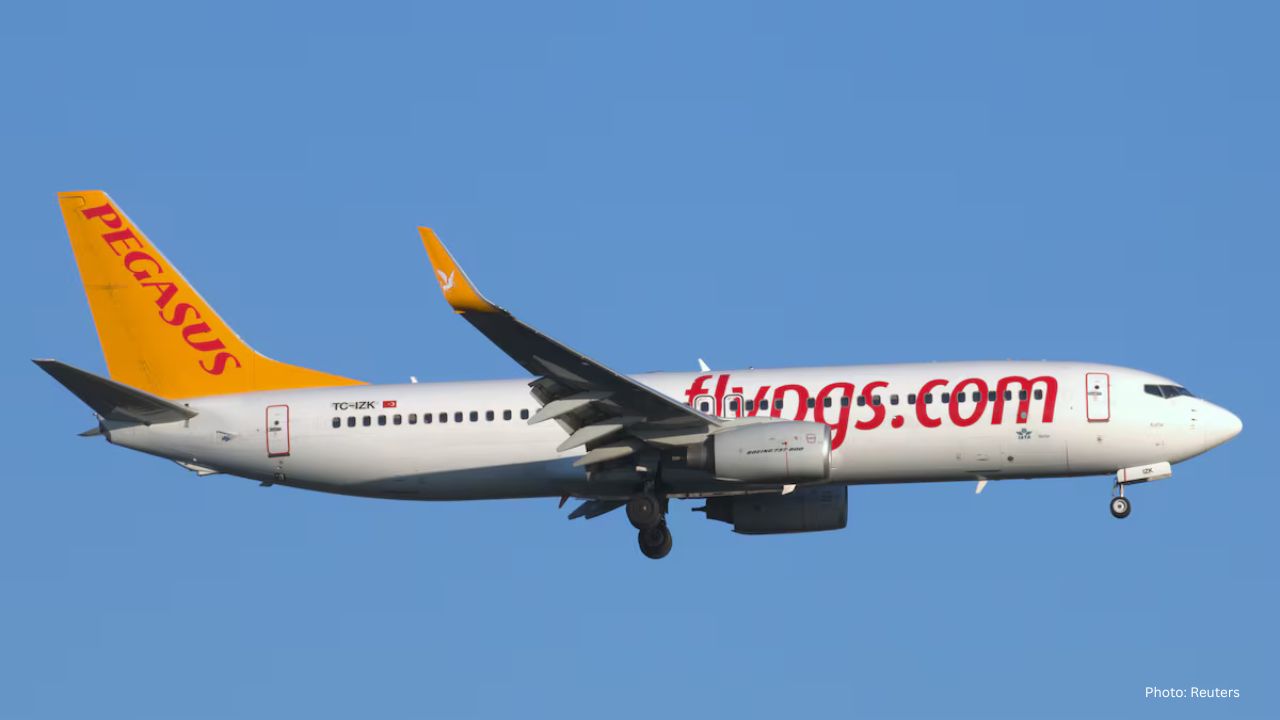
In a significant move, Pegasus Airlines from Turkey has finalized a deal to acquire Czech Airlines along with its subsidiary Smartwings for €154 million. This acquisition marks a pivotal moment in the expansion trajectory of Pegasus, showcasing its ambition to become a formidable global competitor.
The agreement includes purchasing stakes held by Prague City Air in both airlines and assumes their financial liabilities, indicating Pegasus's commitment beyond just brand ownership.
The primary aim is to enhance Pegasus's presence across Europe, a highly competitive aviation landscape. By acquiring well-entrenched airlines, Pegasus can tap into new airports, business licenses, and a skilled workforce. It offers a quicker pathway for expansion than building operations from the ground up.
Smartwings is well-positioned in the leisure travel sector, possessing air operator certificates in the Czech Republic, Slovakia, Poland, and Hungary, which allows it to operate flights seamlessly from these countries. Currently, the airline services approximately 80 destinations across 20 countries with a fleet of 47 planes, generating around €1 billion in revenue for 2024. This acquisition positions Pegasus alongside a stable and thriving airline group, not a weaker counterpart.
The stock market responded positively, with Pegasus shares climbing nearly 3% in Istanbul, reflecting investor confidence in this strategic move that is expected to promote long-term growth and increased profitability.
Nonetheless, the transaction awaits regulatory clearance from aviation authorities in the Czech Republic and other jurisdictions where Smartwings operates. Full resolution of this acquisition is anticipated by 2026, as regulatory approvals are standard practice in sizable international airline agreements to safeguard safety, fair competition, and national interests.
This acquisition reflects the evolving dynamics of the airline industry, which is increasingly transcending national boundaries as airlines form alliances to enhance competitiveness amid rising fuel costs, environmental concerns, and stiff rivalry. Size and range are key to survival and growth in this sector.
From a Turkish perspective, the acquisition signifies a strategic achievement, exemplifying the capability of Turkish enterprises to invest internationally and exert influence within European markets. It also reinforces Istanbul's emerging status as a pivotal global aviation hub connecting Europe, Asia, and the Middle East.
However, the acquisition poses inherent challenges, including debt management, cultural integration, and navigating regulatory hurdles. Successful execution will require meticulous planning, strong leadership, and transparent communication.
If managed well, this deal could benefit travelers through enhanced routes, improved connectivity, competitive pricing, and superior airline services, potentially leading to increased Pegasus flights and new travel choices across Europe and beyond.
Ultimately, this move is emblematic of Pegasus's broader vision and strategic foresight, showcasing the growth of Turkish aviation on the international stage.