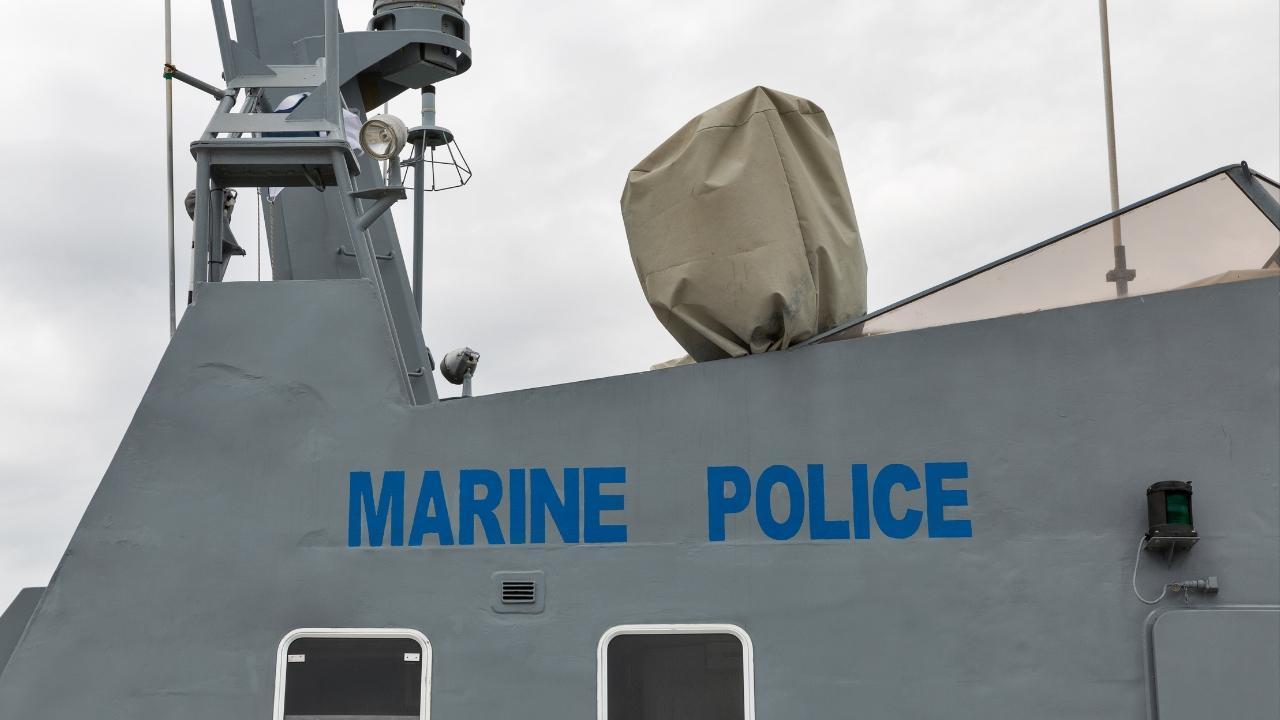
Weekend Water Activities Spur Increased Marine Patrols As Lake Simcoe’s shores and local rivers drew crowds this past weekend, the Ontario Provincial Police (OPP) ramped up marine patrols across northern Simcoe County. Their mission: deter risky behavior, enforce boating laws, and prevent tragedies on the water. Despite the sunny weather and buoyant atmosphere, the force noted a significant rise in water-related incidents, prompting heightened vigilance and public warnings.
Boating Citations Issued Amidst High Activity In a proactive effort to enforce safety standards, marine officers boarded and inspected 21 vessels in the region, issuing citations for infractions such as missing personal floatation devices (PFDs), operating under the influence, and unsafe boat configurations. Alcohol-related offenses alone prompted at least one citation over the weekend, underscoring that impaired operation is just as unlawful on water as on roads.
Tragic Seadoo Accident Highlights Water Dangers The weekend's recreational highs were marred by tragedy when a 23-year-old Brampton man fell from a Seadoo into the Indian River near Port Carling and drowned. The incident reinforces the OPP’s crucial message: in water safety, a moment’s lapse—like neglecting a life jacket—can be fatal in seconds.
Wearing Lifejackets Isn’t Optional — It's Essential Sgt. Dave Moffatt of the OPP marine unit emphasized: "Water can take your life in a matter of seconds." Whether aboard motorboats, canoes, paddleboards, or inflatables, everyone in or near the water should wear a properly fitted life jacket or PFD. This life-saving gear significantly increases survival chances during unexpected immersion.
Impaired Boating: A Silent, Risky Epidemic Just like drunken driving, drinking or consuming drugs before or during boating is illegal and dangerous. The OPP reminded boaters that they can conduct sobriety checks on the water using alcohol screening devices and impose charges under the Criminal Code of Canada. Even one impaired operator can endanger entire crews and other recreational users.
Equipment Failures and Routine Inspections Marine officers also flagged routine yet critical equipment lapses. Boats lacking essential safety items—such as PFDs, distress signals, whistles, fire extinguishers, and bailers—faced penalties. These checks serve as early warnings: even minor oversights can escalate into emergencies, particularly when remote areas delay rescue efforts.
OPP Sets the Tone for National Drowning Prevention Week With drowning rates historically peaking in mid-July, the OPP is planning a visible push during National Drowning Prevention Week (July 21–27). Initiatives like "I Got Caught Wearing My Life Jacket" aim to promote lifejacket use and safer behaviors on water. Featuring partnerships with the Lifesaving Society and local clubs, these efforts seek to cultivate a culture where safety equipment is used without question.
Comparisons with Past Marine Incidents Echoing earlier investigations on Georgian Bay—where a disturbing trend of missing PFDs or operating watercraft in darkness was observed—the OPP stressed the need for vigilance. Tragic drownings linked to capsizing or falls from paddleboards have made headlines in other regions, emphasizing that the risk is national, not regional.
Wider Provincial Enforcement Record Provincial marine enforcement isn’t limited to summer weekends. In past years, hundreds of charges have been laid—ranging from seat-belt violations on boats to stunt operation and distracted boating—often during long weekends. The intensity of surveillance underscores the seriousness with which Ontario treats safety on its abundant waterways.
Tips for Safe Water Recreation The OPP and Lifesaving Society offer these essential guidelines:
-
Always wear a properly fitted life jacket or PFD.
-
Never operate watercraft while impaired by alcohol or drugs.
-
Have all mandatory safety gear aboard: PFDs, distress signals, whistles, bailers, fire extinguishers.
-
Check weather and water conditions before setting out.
-
Don’t boat alone—stay with your group.
-
Keep an eye on children and those less adept in water.
Striking a Balance: Outdoor Fun vs Public Safety As leisure boating and lake use surge during warm weather, authorities emphasize that these activities don’t need to be dangerous—with proper respect and preparation. The OPP’s weekend patrols, along with education campaigns and community partnerships, aim to ensure that summer water recreation remains enjoyable and safe.
Looking Ahead: Sustaining Water Safety With drownings and marine incidents trending upward during peak season, the OPP is calling on all stakeholders—boaters, paddlers, parents, and water-sport suppliers—to commit to lifelong safety habits. This includes:
-
Regular equipment checks and better enforcement compliance
-
Community education through local clubs and school programs
-
Infrastructure improvements like signage, emergency stations, and better boat launch oversight
Engaging Youth and Families in Water Safety Culture Creating long-term impact begins with education. Schools across Ontario are partnering with local police forces and boating safety organizations to bring water safety into classrooms. Programs like Swim to Survive and BoatSmart certification courses are being offered at subsidized rates to ensure every child and teen is informed. Weekend watercraft licensing sessions are also being promoted through community centers and marinas.
Parents are being urged to model safe behavior. Experts say children are more likely to wear lifejackets when they see adults do the same. Municipalities are considering implementing rental kiosks for PFDs at popular beaches, along with digital safety reminders broadcast at docks and waterfronts.
Economic Cost of Marine Emergencies Every marine incident carries not only personal risk but financial implications. Search and rescue operations are expensive and divert resources from other critical services. The aftermath of boating collisions often includes insurance claims, legal proceedings, and trauma recovery. Investing in safety now saves lives and taxpayer money in the long run.
Mental Health Support for First Responders Rescue teams and first responders dealing with marine fatalities face cumulative stress. Peer-support groups and counseling programs are increasingly being adopted by OPP detachments and emergency medical teams. Funding from public safety grants is being used to expand trauma care for those on the front lines.
Technology’s Role in Prevention and Response The marine unit is exploring technologies like GPS trackers for boaters, drone surveillance for crowded waterways, and AI-based weather alert systems. Smart PFDs that alert nearby devices when submerged are under review, along with sonar devices to aid in underwater search missions. These advancements, though costly, offer faster response times and data that can improve protocols.
Conclusion: A Wake-Up Call for Water Enthusiasts The weekend’s spike in marine citations and the tragic drowning serve as stark reminders: Ontario’s lakes and rivers may look inviting, but they demand respect and responsibility. Through enhanced enforcement, public awareness initiatives, better education, and smart investment in technology and infrastructure, the OPP and community stakeholders are working to ensure Ontario’s waters remain sources of recreation—not tragedy.