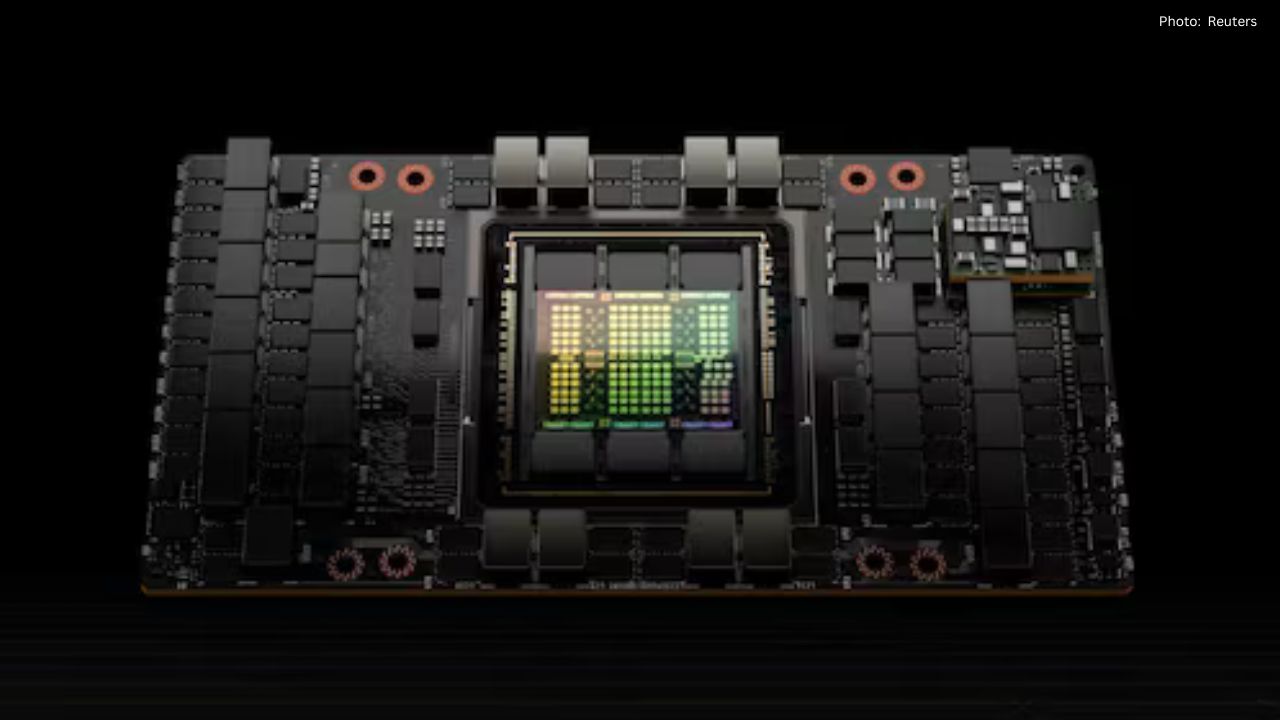
The recent apprehension of two suspects involved in smuggling Nvidia chips from the U.S. to China serves as a critical alert worldwide. This incident transcends mere violations of trade regulations; it touches upon issues of national security, international rivalry, and the progression of artificial intelligence.
As reported by the U.S. Justice Department, the accused allegedly attempted to traffick Nvidia’s H100 and H200 chips to China through a covert network of intermediaries and fraudulent companies. These chips are not typical computing components; they are state-of-the-art processors designed for running advanced artificial intelligence systems capable of generating text, images, videos, and intricate software applications. Due to their potency, these chips are heavily regulated by U.S. authorities.
While the technical aspects may seem complex, the implication is straightforward. The unauthorized transfer of such powerful technology to foreign nations poses risks to both national and global security—making this case immensely significant.
Reports indicate that the accused utilized straw buyers and middlemen to obscure the actual destination of the chips. They allegedly misrepresented the products as intended for markets in regions such as Taiwan and Thailand. However, the chips were relabeled within U.S. facilities and readied for shipment to China. Original Nvidia branding was stripped, and fictitious corporate names were assigned to evade scrutiny.
This situation exposes the meticulous and organized nature of these illicit operations. Prosecutors have characterized this as a “sophisticated smuggling network” that jeopardizes U.S. national safety. Moreover, the scheme may have been active since at least the end of 2023, indicating that it was not a fleeting or negligible endeavor.
The sensitivity of these chips is rooted in their potential applications. While advanced AI chips can advance medical research and education positively, they can also be utilized in military technologies, mass surveillance, and cyber warfare. Consequently, strict export regulations were enacted by the U.S. government in 2022 to block these chips from reaching China and other restricted regions.
This case also underscores escalating tensions among powerful nations. Mastery over advanced technology is increasingly viewed as a form of geopolitical influence. Countries leading in AI and semiconductor technology can sway global markets, security dynamics, and political landscapes. As a result, safeguarding such critical technology from misuse has become paramount.
Nvidia has stated its commitment to collaborating with governments and stakeholders to combat illegal sales and smuggling. Although millions of chips operate legitimately around the globe, the company advocates for comprehensive measures to thwart misuse, demonstrating that private entities also play a crucial role in protecting sensitive technological resources.
From an editorial standpoint, this case reveals a significant weakness in the global technological oversight framework. Existing laws are insufficient as criminal networks devise innovative methods to circumvent them. There is a burgeoning need for enhanced tracking systems, improved international collaboration, and tighter regulations on warehousing and shipping to prevent future infractions.
However, balancing these controls is essential to ensure they do not hinder legitimate researchers, students, and businesses employing AI technology for beneficial advancement. The dilemma for policymakers lies in safeguarding national security while promoting innovation.
Ultimately, this situation serves as a poignant reminder that in our contemporary landscape, computer chips transcend being mere commercial products; they are influential instruments capable of shaping national destinies. Engaging in the smuggling of such technology is far from trivial; it represents a profound risk.
As the landscape of artificial intelligence evolves, heightened vigilance is imperative. Robust legislation, integrity within companies, and responsible practices are crucial for ensuring that powerful technologies are harnessed for progress rather than peril.