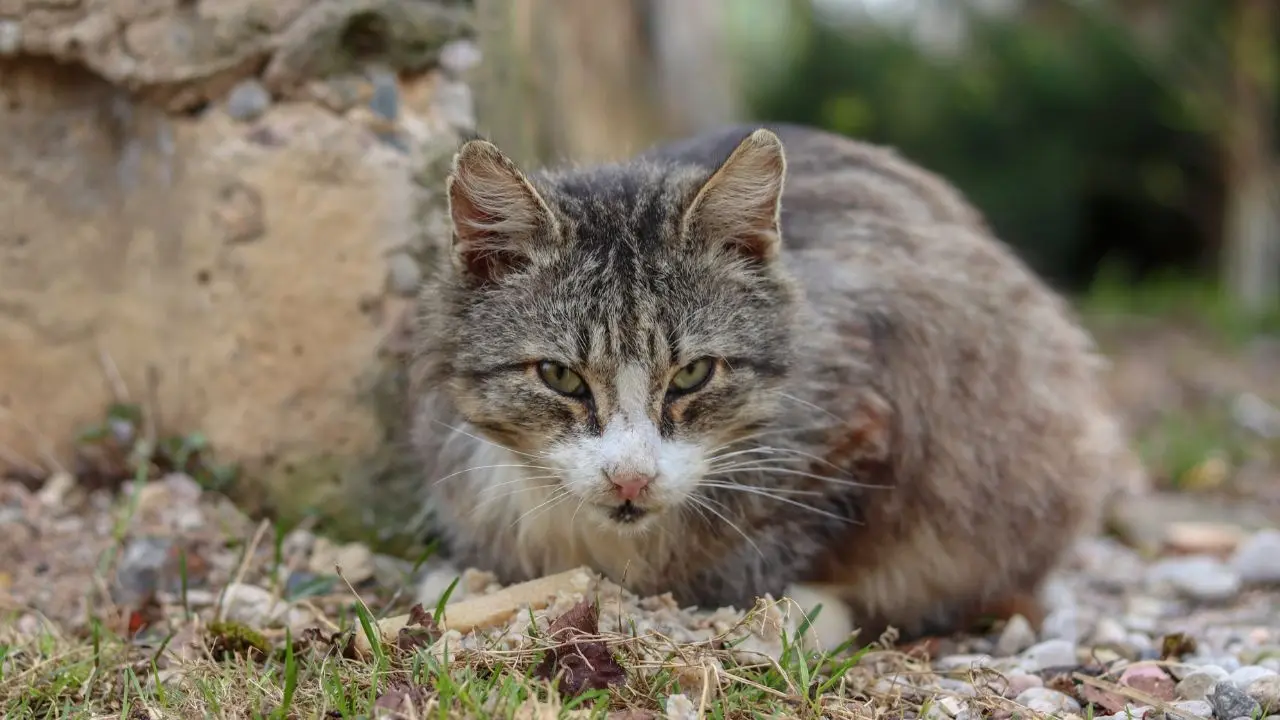
New Zealand has unveiled an ambitious strategy to completely eliminate feral cats nationwide by the year 2050, marking a significant step in wildlife preservation. Conservation Minister Tama Potaka referred to feral cats as "stone cold killers" and confirmed their integration into the Predator Free 2050 program, initiated in 2016, aimed at eradicating invasive species that pose threats to local wildlife such as birds, bats, lizards, and insects.
Unlike domesticated cats, feral cats live independently, roaming through forests and islands in search of native animals to hunt for food. Experts stress that managing their numbers is essential for protecting New Zealand's distinct biodiversity, which is home to numerous species found nowhere else.
Currently, the feral cat population in New Zealand exceeds 2.5 million, spanning various habitats from dense forests to isolated offshore islands. These creatures can measure up to one meter in length, including their tails, and weigh as much as seven kilograms. Their hunting has notably affected local wildlife, including the nearly extinct southern dotterel bird and hundreds of short-tailed bats.
Minister Potaka pointed out that feral cats also pose health hazards, transmitting diseases such as toxoplasmosis, which can affect humans, livestock, and even marine mammals like dolphins. Notably, domesticated cats will not be part of this eradication initiative.
Previously, New Zealand's Predator Free 2050 initiative has concentrated on eliminating predators such as ferrets, rats, and possums, but this marks the first inclusion of feral cats into the program. The overarching goal remains to safeguard biodiversity while preserving the country’s ecological heritage.
The Department of Conservation (DOC) is currently exploring a new technique for controlling feral cats, which involves the use of meat-based bait. The plan includes initially using non-toxic bait to lure the cats, followed by a poisoned bait containing 1080, a common chemical in pest control. Although effective, this method has raised concerns regarding its impact on other wildlife.
A comprehensive national strategy detailing the management of feral cats is anticipated to be published by March 2026. Officials indicate that this initiative is crucial for preserving New Zealand’s unique wildlife and ecosystems for generations to come.