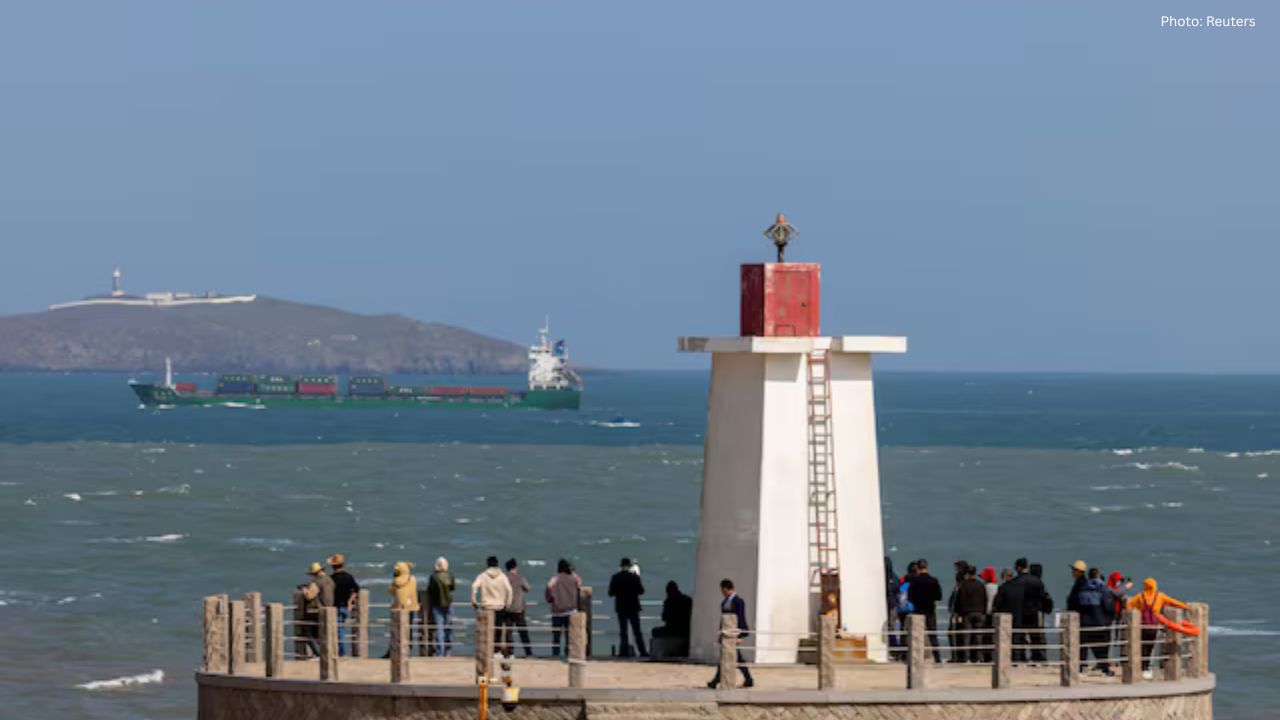
This month, New Zealand's largest naval vessel, HMNZS Aotearoa, made headlines as it navigated the Taiwan Strait, one of the globe's most strategically sensitive pathways. Though the mission occurred on November 5, it remained under wraps until recently.
Judith Collins, New Zealand's Defence Minister, confirmed the mission, asserting that the ship's journey adhered to international law. According to her, all nations hold the right to traverse this strait per the United Nations Convention on the Law of the Sea, which ensures these waters remain open for peaceful navigation, even amid territorial disputes.
China, however, views the Strait with great sensitivity; it contends that Taiwan is part of its territory and that the entire waterway is under its jurisdiction. Contrarily, the United States, Taiwan, and other Western nations advocate that the strait functions as an international passage, where vessels may sail freely. Notably, this region accommodates nearly half of the world's container shipping.
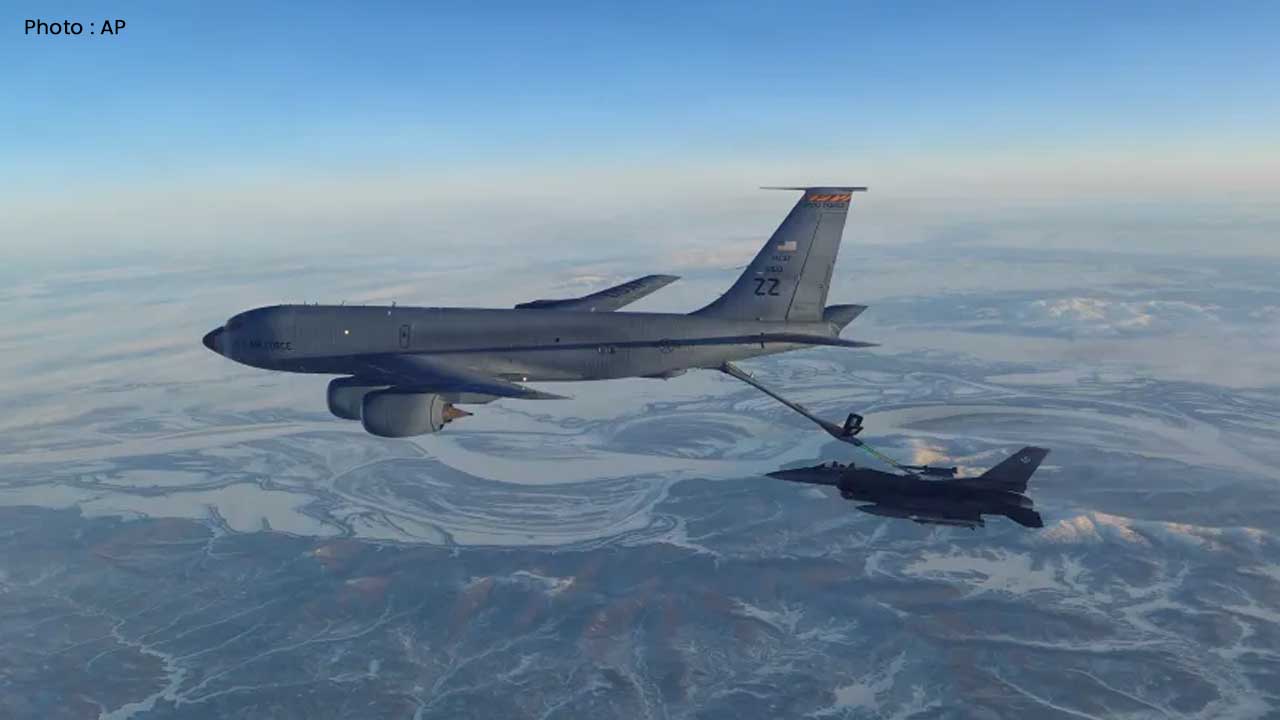
Sources reveal that as HMNZS Aotearoa traversed the narrow waters, Chinese military ships and aircraft shadowed its path. Reports indicate that Chinese fighter jets conducted simulated attack exercises in close proximity, though there was no response from China regarding these maneuvers.
Taiwan's Defence Ministry reported monitoring all activities in the region, fully prepared to respond if necessary. They also noted that just a day following the New Zealand vessel's passage, China executed another significant military patrol around the island, deploying J-16 fighter jets.
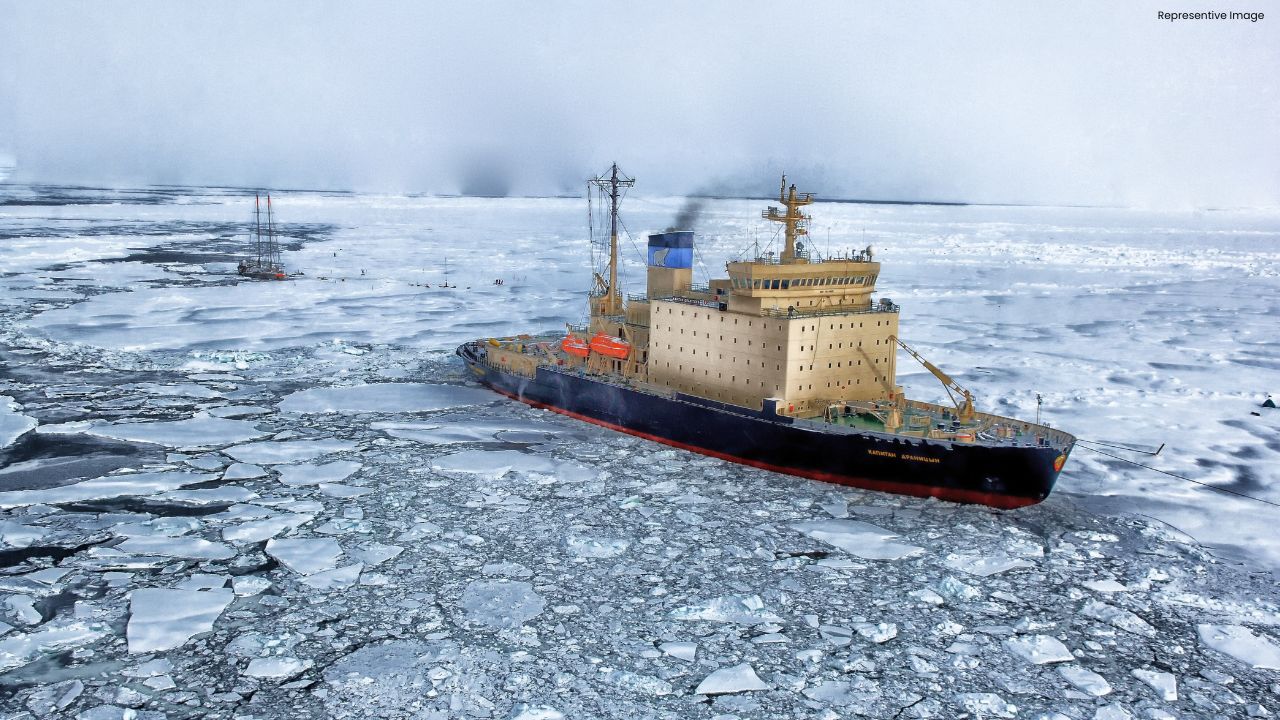
HMNZS Aotearoa is classified as a support vessel, primarily utilized for fueling and supplying other ships rather than being heavily armed. Its presence in the strait is distinctly noteworthy, as such operations are infrequent for New Zealand; the last passage recorded was in 2024, with no ship transiting since 2017.
While New Zealand does not formally recognize Taiwan as an independent nation—consistent with most countries—it cherishes a cordial relationship with Taiwan and upholds a de facto embassy there. Taiwan regards New Zealand as a democratic ally within the region, and both maintain active trade ties, including a rare free trade agreement.
The New Zealand vessel set sail en route to participate in United Nations assignments near North Korea, aimed at reinforcing sanctions related to its nuclear initiatives.
Over the past five years, the atmosphere in the Taiwan Strait has intensified, with China amplifying military flights, naval patrols, and war exercises around Taiwan, elevating concerns regarding Indo-Pacific security. The United States regularly dispatches warships through the strait, with allies like Canada and Britain occasionally participating to affirm their commitment to free navigation.
New Zealand’s passage amplifies the ongoing tensions in a turbulent region. While the nation maintains it acted in accordance with international law, the event underscores how even seemingly benign missions can intertwine with broader geopolitical conflicts. Global attention will remain fixated on the Taiwan Strait as tensions persist and the future of the region grows increasingly pivotal for global equilibrium.