Photo:Royal Canadian Navy
Incident Summary
On the evening of Friday, January 24, 2025, at approximately 10:00 p.m. local time, a Royal Canadian Navy rigid-hull inflatable boat (RHIB) capsized during operations in Halifax’s Bedford Basin. The craft overturned and ejected both occupants into the frigid water of Nova Scotia’s largest harbour. Emergency responders swiftly intervened, but tragically, one sailor did not survive. The second sailor was rescued, evaluated in hospital, and released following assessment.
Vessel and Crew Details
The RHIB, a high-speed, maneuverable craft used for a variety of naval tasks—including patrol, search and rescue, and vessel support—was crewed by two sailors. Both were reportedly trained in small boat handling and water survival protocols. Despite their expertise, the fast, narrow vessel became unstable during a sharp manoeuvre in dark, chilly evening conditions, causing it to flip.
Rescue Response
The Joint Rescue Coordination Centre in Halifax immediately dispatched Canadian Coast Guard vessels after receiving an alert from Naval Command. Crews arrived on scene quickly and retrieved both sailors. One was brought aboard in critical condition and rushed to Halifax’s major hospital, but was pronounced deceased shortly after arrival. The second, while shaken and hypothermic, was successfully stabilised and later released.
Victim Identification & Navy Statement
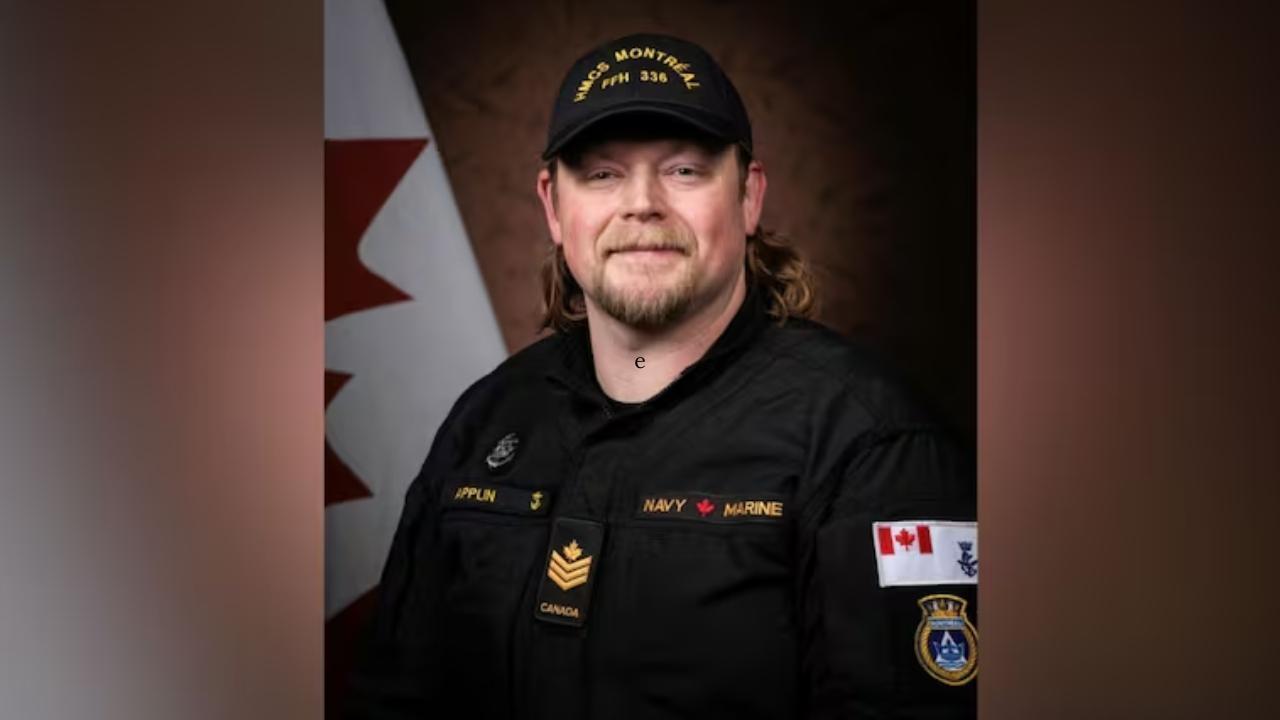
The Royal Canadian Navy identified the deceased as Petty Officer Second Class Gregory Applin. He was commemorated in an official Navy statement, with Commodore Jacob French—Commander of the Atlantic Fleet—expressing profound sorrow: “We are deeply saddened by this tragic incident. Petty Officer Applin’s service and sacrifice will forever be honoured.” The Navy confirmed that a thorough investigation by military police and Naval Safety Authority is underway.
Official and Community Tribute
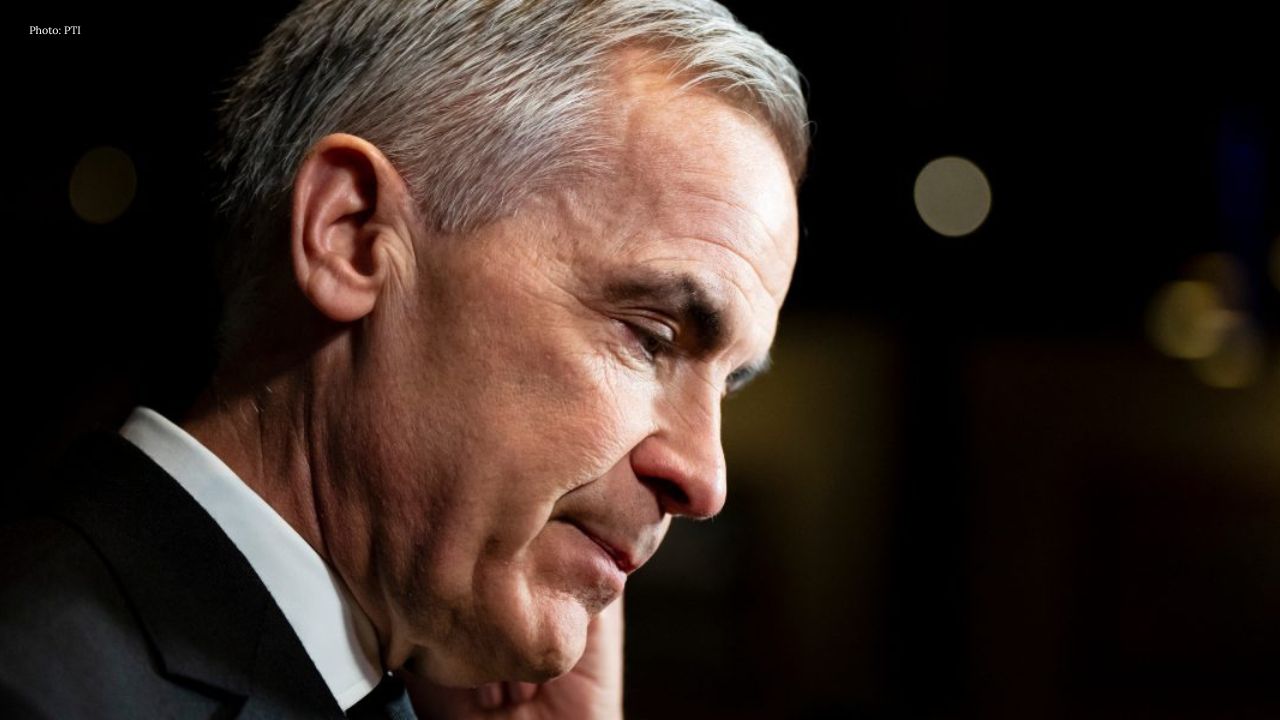
Nova Scotia Premier Tim Houston described the loss as “devastating news” for Halifax and all Canadian Forces. Prime Minister Justin Trudeau also took to social media to pay tribute, noting, “A profound loss for our Royal Canadian Navy. Their service and dedication to Canada will not be forgotten.” Funeral arrangements have not yet been announced; Navy chaplains and peer support networks are assisting family, friends, and shipmates during this difficult period.
On-Water Conditions and Challenges
January in Bedford Basin brings cold, dark nights and water temperatures near freezing. Even routine of RHIB operations can become hazardous under such conditions. Hypothermia risk is high, and cold shock can impair coordination rapidly. Nighttime visibility is limited, compounded by water movement—factors that can turn controlled manoeuvres into emergency situations.
Historical Context and Past Incidents
While capsizing incidents are rare, the Navy has recorded previous small craft accidents over the decades. These events typically lead to comprehensive safety reviews aimed at updating vessel training, maneuver protocols, and emergency procedures. Lessons learned help steer improvements in protective gear, communications systems, and vessel stability standards.
Investigation Underway
Military Police have launched a formal investigation. Their remit includes examining vessel logs, maintenance records, crew training status, communications, and any environmental factors in play. Safety and Operational Readiness divisions working with Maritime Forces Atlantic will review the incident and issue recommendations for RHIB handling, crew preparedness, and emergency extraction techniques.
Family and Unit Support
The Canadian Forces strongly emphasises care for rear echelon families. Support programs—ranging from counselling to logistical assistance—are being implemented. The ship or shore unit associated with the RHIB has been granted leave time for personnel, ensuring they receive emotional and administrative support. Internal grief resources remain a top priority.
Community Reaction
Local news outlets across Halifax and the Atlantic provinces covered the incident and its sobering outcome. Online discussions reflect both sorrow and reflection:
“It sounds like the two of them were in the dark, and the boat overturned during maneuvers.”
—Reddit commenter on r/canada
Community groups have rallied in support. Vigils, email chains, and small ceremonies honouring the lost sailor have begun, underscoring the tight-knit culture of Nova Scotia's coastal communities and Naval families.
Training and Policy Implications
Preliminary investigation points to a possible need for revised training protocols surrounding RHIB handling at night and in sub-zero temperatures. Discussions are underway about whether to update vessel safety gear (e.g. auto-inflating lifejackets, thermal suits), night-vision aids, and standard operating procedures for cold-water manoeuvres.
Protective Equipment and Risk Mitigation
The Navy may adopt new requirements after the inquiry concludes—mandating enhanced thermal gear, flotation devices, and alternate rescue equipment. Regular safety drills are already part of Navy training; focus may expand to include simulated capsizing scenarios to better prepare crews.
Operational Continuity and Fleet Activities
Despite this loss, Naval operations in Halifax and broader Atlantic Canada continue. Personnel remain dedicated to shipborne tasks, missions, and training exercises. The incident has heightened vigilance and reinforced the necessity of respect for marine conditions.
Memorial Plans and Commemoration
The Navy often recognises fallen sailors through service rites, naval traditions like bell ringings, and memorial displays onboard ships or designated areas. Plans for a formal memorial included at an upcoming Fleet formation ceremony will likely be announced within weeks.
Important Takeaways
The tragedy is a sober reminder of maritime risk, even during routine operations. It highlights the importance of rigorous vessel training, adherence to safety protocols, and swift rescue response. The Canadian Navy, Coast Guard, and RCMP efforts combined to protect lives—even as they lost one.
Looking Forward
Once investigations conclude, a public report containing actionable recommendations is expected by mid-2025. These findings may trigger policy changes in training, gear, and RHIB usage. The overarching objective is to prevent future casualties and enhance preparedness for unpredictable marine emergencies.