In a surprising move, Myanmar's military regime has announced a large-scale pardon affecting 8,665 individuals, just weeks prior to a national election many view as neither free nor fair. The announcement, broadcast through state-controlled media on Thursday, is interpreted by critics as an attempt to lend an illusion of legitimacy to the election, which comes amid substantial political unrest.
Included in this mass pardon are 3,085 individuals whose sentences were reduced for convictions under Section 505A of the penal code, a controversial law penalizing statements deemed false or fear-inducing by the military. An additional 5,580 people who had evaded arrest will have their charges withdrawn. Nevertheless, the status of political detainees and the timing of their release remain uncertain.
Military spokesperson Zaw Min Tun stated that the pardons aim to facilitate a "free and fair" voting process in the upcoming elections. Yet, skepticism prevails among both Myanmar citizens and the global community about the election's legitimacy.
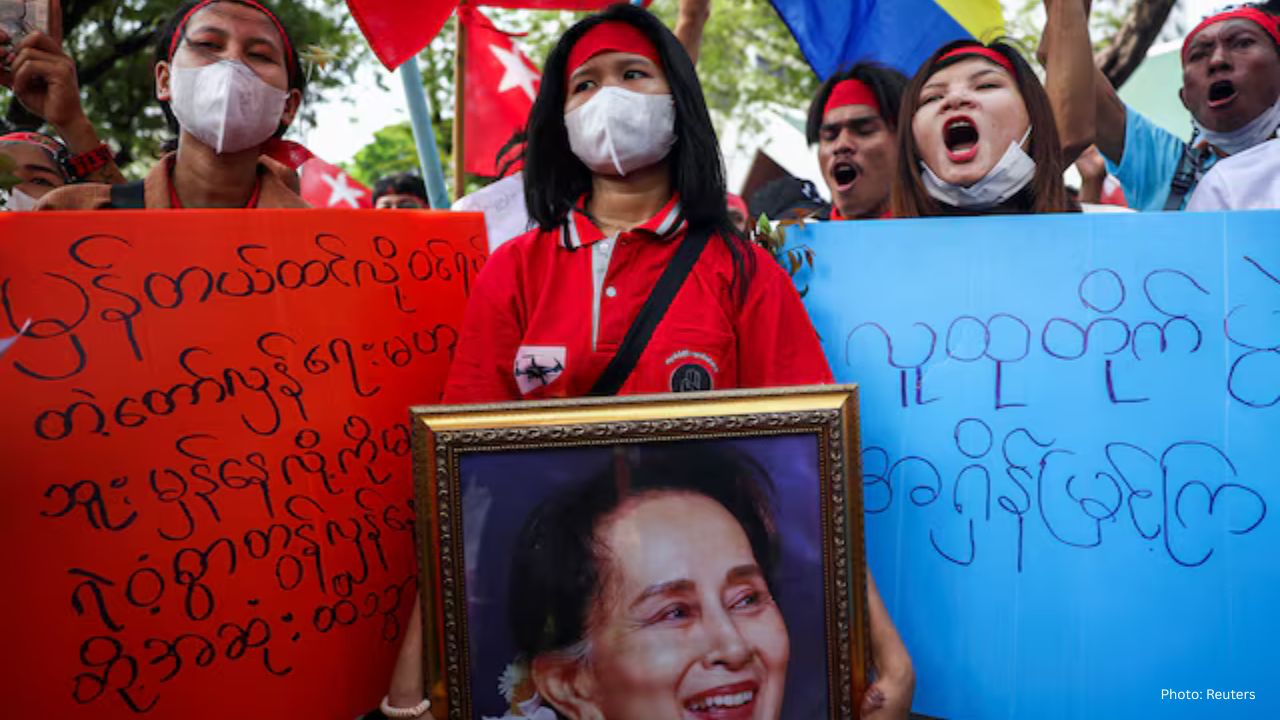
Since the military coup in February 2021, which ousted civilian leader Aung San Suu Kyi, Myanmar has descended into chaos. Suu Kyi, a Nobel Peace Prize laureate, remains imprisoned, amid escalating protests and an armed resistance movement. Various ethnic armed factions have allied with pro-democracy rebels, leading to a protracted conflict that continues to destabilize the country.
The Assistance Association for Political Prisoners reports that over 30,000 individuals have been detained on political grounds following the coup. A multitude of activists, journalists, and everyday citizens endure harsh conditions while behind bars.
The military plans to conduct elections in phases this December and January. However, prominent opposition parties have either been barred from running or chosen to boycott, dismissing the event as a mere tactic to legitimize military rule. Western nations and human rights advocates have condemned the election, labeling it a "sham."
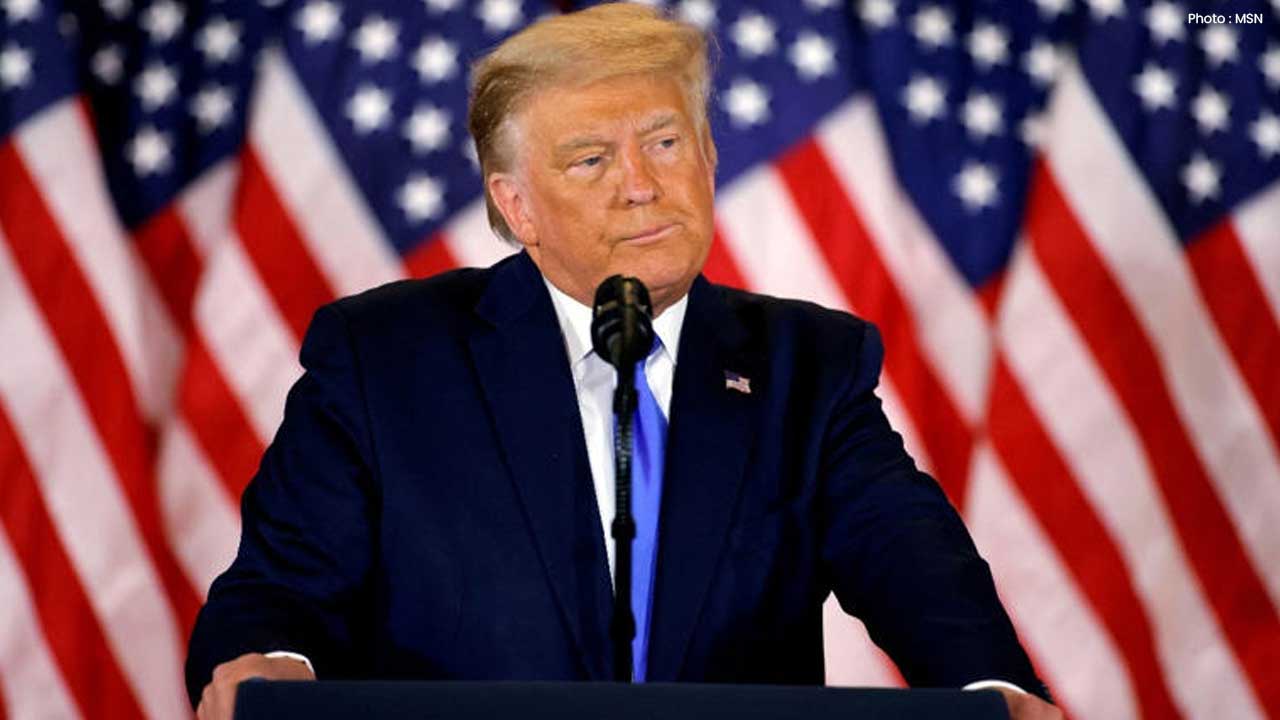
Adding to the contentious atmosphere, the Trump administration recently declared an end to temporary legal status for Myanmar nationals in the U.S., potentially forcing thousands to return to a perilous situation. The U.S. defended this decision by asserting improvements in Myanmar's conditions, suggesting the upcoming elections signify progress—a stance many experts challenge.
The junta's broad pardon is viewed with skepticism; although it may enhance electoral participation, it fails to address Myanmar's systemic issues: ongoing violence, political oppression, and a lack of democratic freedom. For many, the election appears designed to solidify military power rather than offer a genuine choice.
As Myanmar moves toward another contentious vote, uncertainties linger regarding the true intent behind these pardons and whether they reflect any real transformation in the nation’s political landscape. Currently, the future remains precarious, and the fight for democracy is far from resolved.