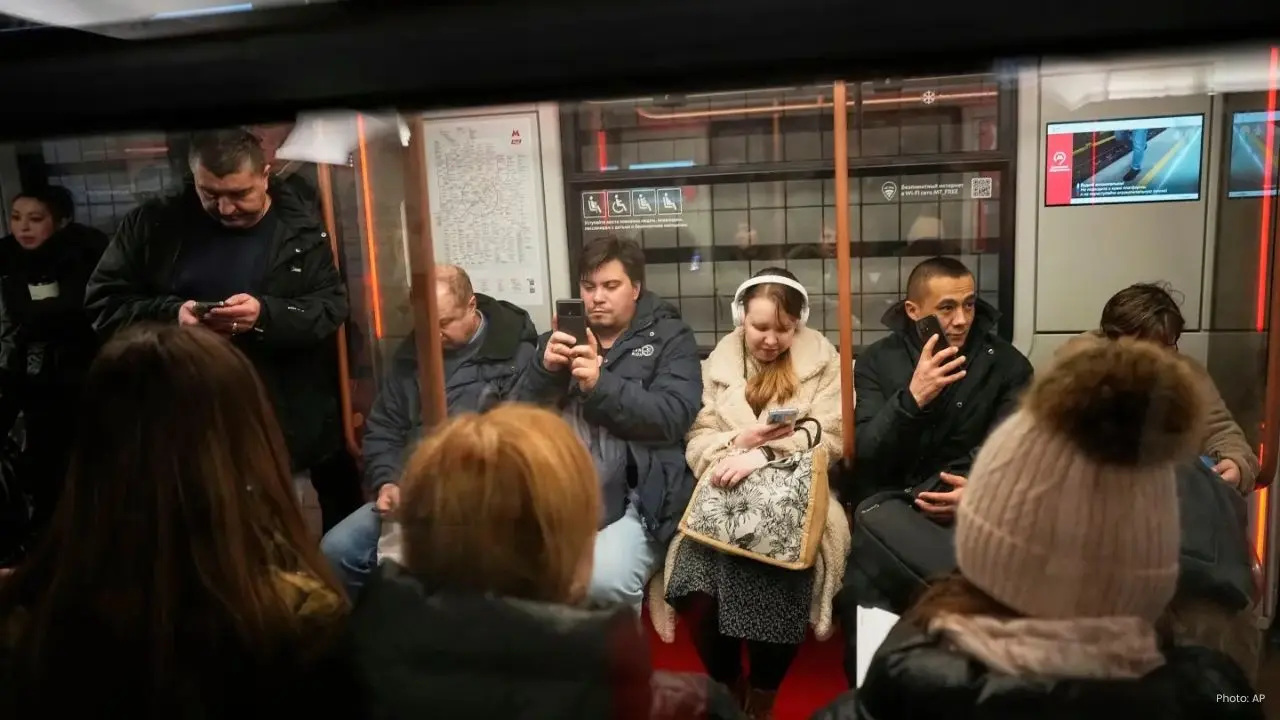
In Russia, citizens are encountering daily hurdles as mobile internet outages extend from the Pacific coast to the Volga region. These disruptions affect almost every aspect of contemporary life, from public transport to parenting concerns for those with diabetic children.
Issues arise with credit card transactions at tram terminals and ATMs going offline, limiting access to popular messaging apps. A trip overseas now carries the risk of losing mobile connectivity, which hinders vital text and data usage.
Authorities assert that the shutdowns are necessary to prevent Ukrainian drones from navigating through Russian mobile networks. However, these months-long restrictions have yet to prevent drone strikes on critical infrastructure, raising doubts about their effectiveness.
During times of outage, only government-approved services listed on “white lists” remain functional, including official platforms, selected online marketplaces, and Yandex services. Banking access varies, leaving many unable to perform essential transactions.
In Vladivostok, a local named Marina expressed anxiety over the reliance on a single government-controlled banking application. Meanwhile, in Ulyanovsk, one commuter faced issues paying for transportation due to credit card failures. Parents of diabetic children are increasingly anxious, as previously dependable apps for monitoring glucose levels can become inaccessible.
Further complicating matters, officials are promoting a “technology-free lifestyle,” with social media campaigns encouraging outdoor activities over screen time. However, the public's reaction is more one of sarcasm and frustration than enthusiasm.
New regulations have been imposed, limiting SIM cards that were previously inactive or abroad; these can block texts and data for 24 hours unless manually reactivated. Certain SIM cards, especially those in vehicles or connected devices, may remain inactivated, complicating life for families and businesses alike.
Messaging services are particularly targeted, with apps like WhatsApp and Telegram facing throttling or outright bans in various regions of Russia. Meanwhile, the state-backed MAX app is encouraged and comes preinstalled on all smartphones. Lacking end-to-end encryption and sharing user data with the government, it brings privacy concerns to the forefront, despite boasting 50 million registered users, with a much lower daily engagement than its international counterparts.
In response to these restrictions, many Russians have begun using VPNs to navigate around blocks, although these, too, face frequent limitations. For most citizens, the internet shutdowns have become a frustrating but bearable aspect of life as essential services like navigation, banking, and deliveries depend heavily on online systems.
Amid these challenges, daily life in Russia has turned into a careful balancing act, as citizens adapt to limited access while navigating an increasingly restrictive governmental landscape, significantly influencing the country’s digital future going into 2025.