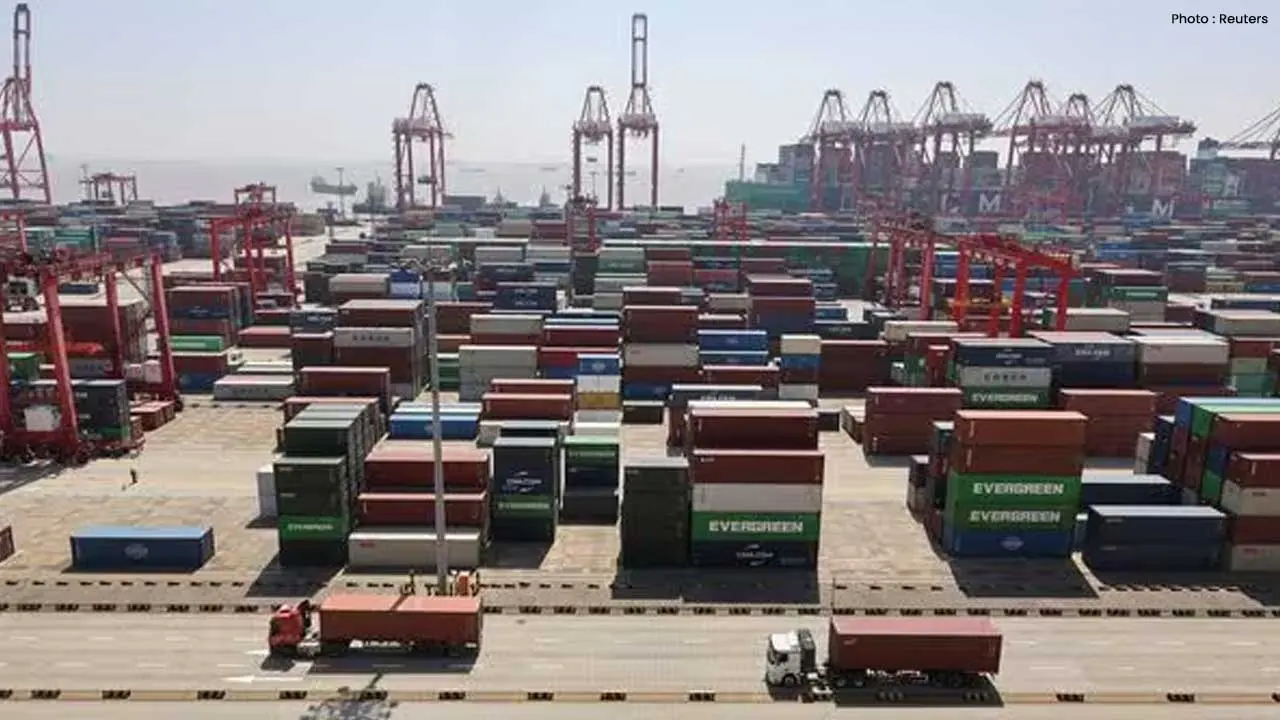
In a significant move, Mexico has rolled out substantial tariffs of up to 50 percent on imports from India. This decision threatens to heavily impact Indian exports, particularly within the automobile industry. The tariffs come as the U.S. pressures Mexico to lessen trade ties with China, despite warnings from Mexican business groups that these higher tariffs could lead to increased costs and disrupt existing trade frameworks.
The newly established tariffs encompass a diverse range of products, including auto parts, light vehicles, textiles, toys, and various consumer goods. However, the automobile sector is poised to feel the majority of the strain. The duties on cars have surged from 20 percent to 50 percent, jeopardizing roughly $1 billion in shipments from prominent Indian automakers like Volkswagen, Hyundai, Nissan, and Maruti Suzuki.
Data from the Confederation of Indian Industry (CII) shows that trade between India and Mexico has risen steadily, jumping from $7.9 billion in 2019-20 to over $8.4 billion in the 2023-24 period. Automobile exports have played a pivotal role in this growth, yet the new tariffs threaten to place these shipments under significant strain. Major players like Skoda Auto Volkswagen account for nearly 50% of car exports to Mexico, while Hyundai, Nissan, and Suzuki add hundreds of millions in export value collectively.
The Society of Indian Automobile Manufacturers (SIAM) previously urged the Indian commerce ministry to step in and negotiate with Mexico to retain the current tariff levels on vehicles. In their communications with government officials, SIAM cited that Indian cars are tailored for the Mexican market, primarily consisting of compact models under one-litre engine capacity, which do not directly compete with higher-end vehicles produced in Mexico for the North American market. Despite these considerations, the decision to impose higher tariffs was confirmed.
Experts in the industry speculate that this development could compel Indian automakers to reassess their export strategies focused on Mexico. For many automobile manufacturers, exports are crucial for sustaining production, achieving economies of scale, and mitigating slower domestic consumption. The abrupt surge in tariffs may derail these plans, squeezing profit margins and potentially stunting growth in a vital market for India.
Piyush Arora, head of Volkswagen India, highlighted the significance of the Mexican market, reinforcing that India has served as a vital manufacturing and export hub over the years, sending vehicles to over 40 nations. “Mexico remains a key export destination for us, owing to the growing demand for India-made vehicles,” he stated.
Analysts suggest that these tariffs are heavily influenced by mounting pressure from the United States and are linked to the review of the US-Mexico-Canada trade agreement (USMCA). The increase comes at a time when Mexico is grappling with U.S. tariffs on steel, aluminum, and the automotive sector, seen as a maneuver to effectively manage intricate international trade dynamics. However, this policy has been met with criticism for potentially disrupting supply chains, increasing inflation, and sowing uncertainty for Indian exporters in various industries, such as plastics and textiles.
With Indian car exports comprising a small yet vital portion of the market—approximately 6.7 percent of annual passenger vehicle sales—the latest tariffs pose serious challenges and could necessitate adjustments to long-term trade strategies. As India's third-largest car export market, Mexico now presents hurdles that may reshape trade approaches and highlight the complexities of global commerce amid rising protectionist sentiments.
As India contemplates its next moves, efforts will focus on reducing the adverse effects on automobile exports while preserving robust trade relations with Mexico. The upcoming months will be crucial for Indian automakers, trade officials, and industry stakeholders as they navigate these newly imposed tariffs and seek ways to safeguard India’s export interests.