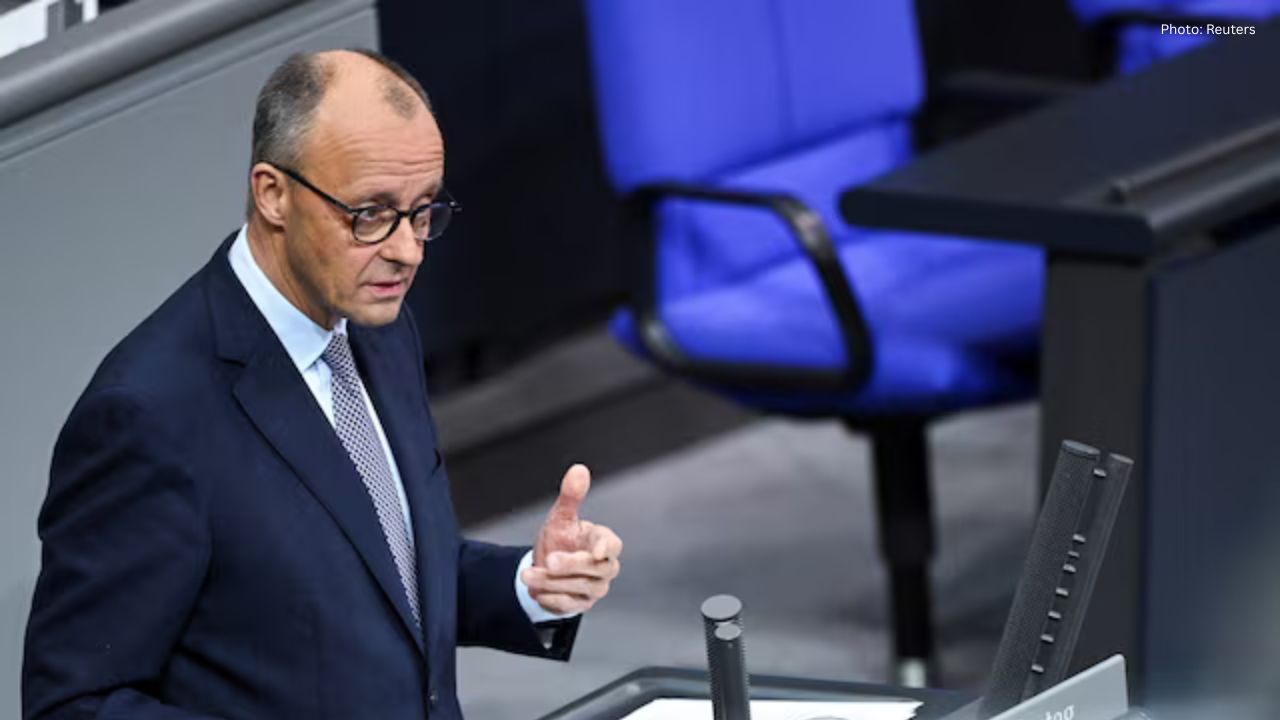
Chancellor Friedrich Merz of Germany has urged the European Union to rethink its impending prohibition on new combustion-engine vehicles scheduled for 2035. This call to action has ignited renewed discussions throughout Europe, particularly as the automotive sector undergoes significant transformations. Merz plans to formally address the European Commission, advocating for increased flexibility for automakers beyond the 2035 cutoff date. He stressed that while climate initiatives are essential, it is equally important to safeguard Europe's economic health and ensure the competitiveness of its industries amid the shift towards cleaner technologies.
Merz expressed his perspective during a press briefing subsequent to a coalition leaders' meeting. He stated that the EU should not limit itself to a singular technological approach. Although he recognizes the importance of electric vehicles, he believes consumers and manufacturers should have multiple options. Merz proposed that post-2035, the EU should allow battery-operated vehicles featuring advanced combustion engines. These hybrid models, he maintained, could effectively minimize emissions while providing consumers with more choices, making the transition to greener transport less challenging for the sector.
Germany’s automotive industry ranks among the largest globally, employing millions and significantly contributing to the nation's economy. With corporations already channeling substantial investments into the development of electric vehicles, charging infrastructure, and battery technologies, there are concerns about job losses, escalating production costs, and delayed manufacturing if a sudden ban on combustion engines is enforced. Merz asserted that maintaining a variety of technological options would facilitate smoother industry adjustments without endangering jobs or corporate stability.
As he advocated for greater leniency, Merz reiterated that Europe's environmental objectives must remain paramount. The existing EU directive mandates that all newly sold vehicles after 2035 must emit zero emissions, part of a wider initiative to curb greenhouse gas emissions and mitigate global warming. While supporting these objectives, Merz contended that modern combustion engines have become increasingly cleaner and more efficient. He urged the EU not to overlook these advancements or entirely close the door on them.
The forthcoming actions will hinge on the European Commission's response to Merz’s impending letter. Alterations to the 2035 regulation would necessitate dialogue and consensus among EU member states, many of which are staunch advocates for a complete transition to electric vehicles. At present, Merz’s statements have intensified the pressure on European leaders to thoughtfully consider how to harmonize environmental stewardship with economic dynamics. This choice will profoundly impact the future of mobility within Europe, affecting millions of consumers, workers, and businesses.
As the world transitions towards sustainable energy and environmentally friendly transport, Europe confronts the formidable challenge of fulfilling its climate obligations while ensuring robust industrial growth and innovation. Whether the EU will adjust its 2035 policy or adhere to its initial objectives is yet to be determined.