Photo:AP
Dangerous Decline: Maritime Measles Vaccination Rates Fall Below Safety Threshold
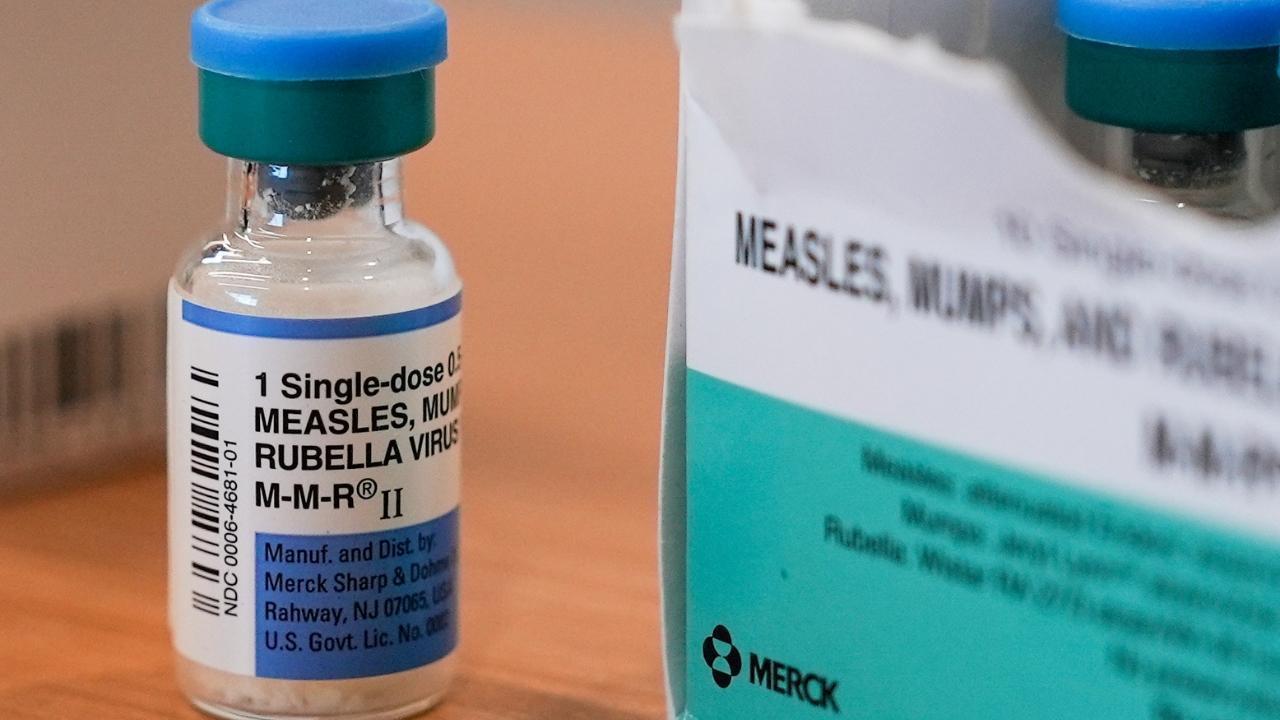
Health authorities in the Maritime provinces have issued urgent warnings following a disturbing drop in childhood vaccination rates for measles, mumps, and rubella (MMR). Coverage across New Brunswick, Nova Scotia, and Prince Edward Island has fallen significantly below the 95% herd immunity threshold, leaving communities vulnerable to a potential measles outbreak. The MMR vaccine, which once all but eradicated the virus in Canada, is no longer being administered at rates high enough to prevent community transmission.
Understanding the 95% Threshold: Why It Matters Now More Than Ever
Measles is among the most contagious viruses known to medicine. It can linger in the air for up to two hours after an infected person leaves an area. Because of this, at least 95% of a population must be immune to prevent outbreaks. Immunity is generally achieved through two doses of the MMR vaccine—one at 12–15 months and the second between 4–6 years.
In the Maritimes, current data shows:
-
PEI: Just 75% of children under two are fully vaccinated; that number dips to 62% among seven-year-olds
-
Nova Scotia: Around 80–85% coverage
-
New Brunswick: Similar range, with pockets well below provincial averages
These levels are not sufficient to prevent widespread outbreaks, especially when combined with increasing national and international exposure.
Global Measles Surge Raises Local Alarm
Internationally, measles cases are surging. The World Health Organization (WHO) has reported over 150,000 cases in 2024 across Europe and the Americas, many in countries with previously strong immunization programs. Large outbreaks have occurred in the UK, Romania, and the United States, where MMR coverage dipped below safe levels due to vaccine hesitancy, misinformation, and pandemic-era disruption.
Closer to home, Canada has seen a 10-fold increase in measles cases since 2023. Most of these cases are concentrated in unvaccinated individuals. In 2025 alone, more than 3,000 cases have been reported nationwide, many traced to international travel or school clusters.
Why the Maritimes Are Uniquely at Risk
While lower population density in Atlantic Canada may seem protective, the region’s interconnected communities and school systems make the area especially vulnerable to measles outbreaks if a single case is introduced. Once airborne, the virus can infect 9 out of 10 unvaccinated people in close contact with the carrier.
The risk is amplified by:
-
Tight-knit school environments
-
Interprovincial travel and summer events
-
Rural populations with limited healthcare access
-
Inconsistent tracking of two-dose completion
Public health officials note that many parents mistakenly assume one dose is sufficient, unaware of the two-dose requirement for full protection.
The COVID-19 Legacy: Missed Shots and Weakened Systems
Much of the decline in immunization stems from the COVID-19 pandemic, which disrupted routine healthcare and education-based vaccination efforts. Public health clinics were diverted to pandemic response, and many parents delayed well-child visits due to fear of exposure or clinic closures.
According to provincial health departments, thousands of children missed their scheduled MMR vaccines between 2020 and 2022. Although catch-up efforts are underway, they have not reached pre-pandemic levels, particularly in rural areas where resources remain stretched thin.
Public Misinformation and Vaccine Hesitancy Still Loom Large
Health experts say another driving force behind the decline is the persistence of vaccine misinformation, particularly false claims linking MMR to autism—a myth that has been repeatedly and conclusively debunked by decades of scientific research.
Online platforms have allowed fringe anti-vaccine narratives to gain disproportionate influence, making it harder for public health campaigns to gain traction. In addition, cultural distrust of government or healthcare institutions in some communities has reduced willingness to engage with vaccine programs.
The Real Cost of Measles: Severe Complications and Lifelong Impact
Many assume measles is a mild childhood illness. In reality, it can lead to:
-
Pneumonia, the most common cause of measles-related death
-
Encephalitis, a brain swelling condition that can result in permanent disability
-
Blindness and hearing loss
-
Subacute sclerosing panencephalitis (SSPE), a rare but fatal condition that can develop years later
Children under five, pregnant women, and the immunocompromised are especially at risk. Even among healthy children, hospitalization is common and can overwhelm local health resources.
Public Health Response: Scrambling to Contain a Looming Threat
Provincial governments across the Maritimes are accelerating MMR catch-up programs, focusing on:
-
School-based vaccination clinics, especially in low-coverage districts
-
Public education campaigns, both in English and French
-
Digital and phone reminders to families behind on vaccines
-
Partnerships with pediatricians and family doctors to flag under-vaccinated children
-
Outreach to rural and Indigenous communities, where access is historically limited
Some regions have deployed mobile vaccine clinics and even incentivized family doctors to administer vaccines during regular visits.
School Exemptions and Policy Loopholes Under Scrutiny
Currently, school immunization requirements vary across the Maritimes, and non-medical exemptions are still permitted in some provinces. Critics argue that these policies must be tightened or abolished if herd immunity is to be restored.
Health professionals are also calling for:
-
Mandatory reporting of vaccination status to provincial registries
-
Stricter enforcement of school-based vaccine compliance
-
Nationwide public health campaigns to emphasize MMR safety
National Attention on the Maritime Shortfall
Canada’s Chief Public Health Officer has cited the Maritimes as a “region of concern” in the national effort to restore vaccination levels. The federal government has pledged additional support in the form of:
Federal travel advisories have also reminded Canadians to ensure they are fully vaccinated before leaving the country, especially to areas with active measles outbreaks.
Public Voices: Parental Awareness and Gaps in Communication
Across the Maritimes, many parents express surprise at their child’s incomplete vaccination status, despite thinking they were up to date. Some cited difficulty accessing records or confusion around the second dose. Others were unaware that schools didn’t automatically notify them when vaccinations were missing.
A PEI mother explained:
“I thought my daughter had both doses. I didn’t know we had to request the second one. Now I’m scared we waited too long.”
Looking Ahead: Preventing a Public Health Crisis
To avoid a major outbreak, health authorities stress that at least 95% of children must receive both MMR doses. Current efforts are focused on reaching that number before the fall school term, when transmission risk spikes due to indoor congregation.
The steps needed include:
-
Transparent, accessible vaccine records for parents
-
Equity-focused access to vaccines in underserved areas
-
Social media and community leader outreach to dispel myths
-
Collaboration between schools and healthcare to streamline follow-ups
The alternative—a regional outbreak—would strain hospitals, close schools, and put the most vulnerable at grave risk.
What You Can Do Now
Health officials urge all parents in the Maritimes to:
-
Check their child’s immunization record
-
Book MMR vaccinations immediately if overdue
-
Speak to a family doctor or public health nurse about side effects or scheduling
-
Avoid misinformation and rely on trusted sources like Health Canada or provincial health sites
-
Encourage others in your community to vaccinateConclusion: Immunity is a Community Responsibility
The dramatic drop in measles immunization across New Brunswick, Nova Scotia, and Prince Edward Island has pushed the region to a public health tipping point. Measles is no longer a remote threat. It is actively spreading globally, has resurfaced in Canada, and will reach Maritime schools and communities if protection remains this low.
Restoring herd immunity is not just about shots—it’s about trust, access, communication, and action. The time to respond is now, before a single imported case turns into dozens—or hundreds.