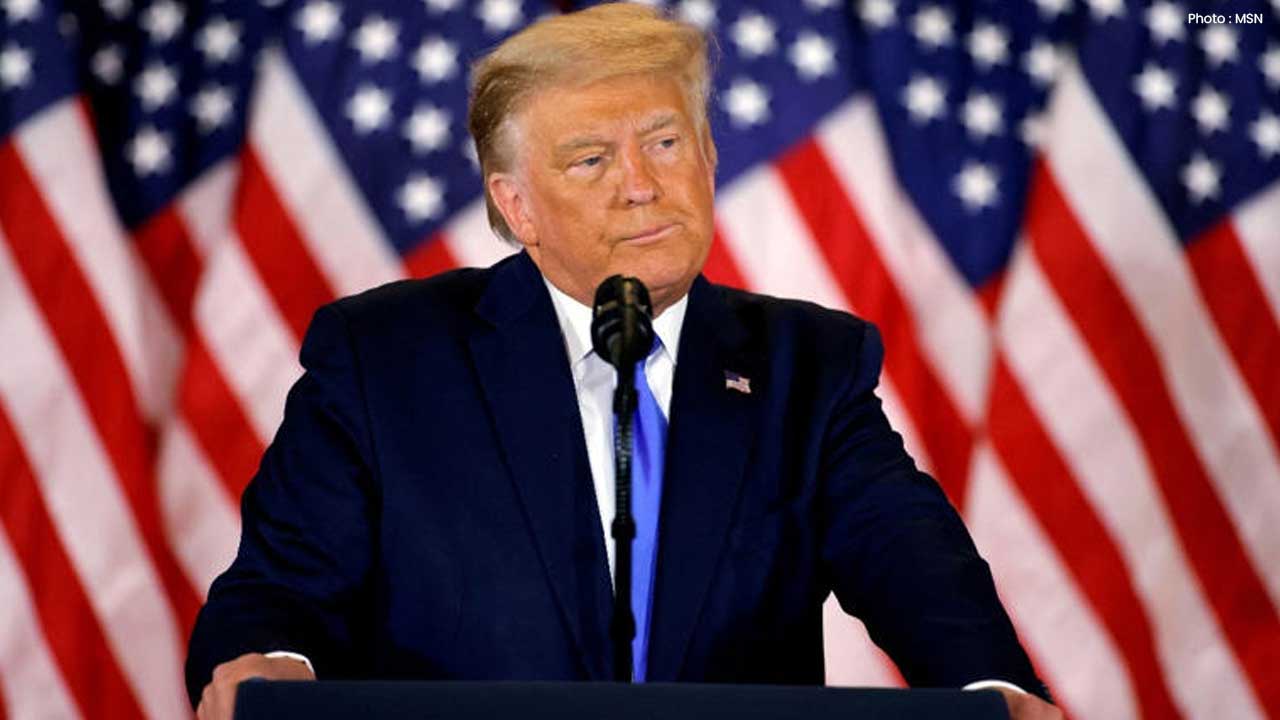
A significant legal dispute has emerged in the U.S. after ICEBlock — a popular app aiding communities in alerting each other about immigration enforcement — was abruptly taken down from Apple’s App Store. Joshua Aaron, the app's developer, has initiated a lawsuit against President Donald Trump's administration, alleging that governmental pressure led to the app's removal.
In his Monday filing, Aaron stated that ICEBlock had gained nearly one million users since its launch in April. The application became vital for neighborhoods nationwide amidst Trump's stringent mass-deportation measures aimed not just at undocumented individuals but also at many who have legal residency.
Aaron's suit cites that Apple informed him the removal was due to “information provided by law enforcement.” The U.S. Justice Department confirmed that it had contacted Apple in October, shortly before the app was eliminated from the store.
Aaron contends that the attack on ICEBlock undermines fundamental free speech rights, effectively silencing a mechanism intended for communities to alert one another about enforcement actions. He emphasizes that the app was crafted to maintain awareness and safety during increasingly aggressive raids by armed immigration officers.
Increasing scrutiny has surrounded these recent raids, particularly concerning the use of masked officers and unmarked vehicles, reports of violent arrests, and inadequacies in detention centers, such as overcrowded and unsanitary conditions. There are also instances of U.S. citizens being wrongfully detained and immigrants being deported despite lawful court orders permitting their stay.
The lawsuit lists several high-ranking officials as defendants, including Attorney General Pam Bondi, Homeland Security Secretary Kristi Noem, and acting ICE Director Todd Lyons. The administration has previously contended that apps like ICEBlock threaten the safety of federal agents by disclosing operational details.
Nevertheless, Aaron asserts that the app fulfilled a public function during a period marked by community fears of unannounced raids and a lack of transparency regarding enforcement efforts. He articulates that this lawsuit aims to safeguard digital platforms designed for community protection against unlawful government threats.
The case is now set to proceed in federal court, where the verdict could influence the extent of government sway over technology platforms — and determine if digital alert applications are entitled to constitutional protection as free speech.