Photo:AP
Escalating Unrest in Kenya: President Ruto Declares Crackdown
Kenya, a country often regarded as a symbol of political stability in East Africa, is now engulfed in a wave of civil unrest that is rapidly intensifying. In a strongly worded statement delivered on July 9, 2025, President William Ruto addressed the nation from Nairobi and emphatically stated that “enough is enough.” His remarks came in the wake of escalating anti-government protests, many of which have been spearheaded by the youth, particularly members of Generation Z. What started as peaceful demonstrations against economic hardship, police brutality, and perceived government corruption have now turned into one of the most disruptive political movements in recent Kenyan history.
A Movement Led by the Youth
The protests, which began in June 2025, have been largely decentralized and mobilized through social media platforms. Young Kenyans, especially students and unemployed youth, have used platforms like Twitter, TikTok, and WhatsApp to organize nationwide protests, under hashtags such as #RutoMustGo and #GenZRevolution. What differentiates this uprising from previous political movements in Kenya is not just its organic nature, but also its grassroots momentum. Unlike protests in the past that were often linked to opposition political parties, these demonstrations are citizen-led and purposefully unaffiliated with political elites.
This new wave of activism gained momentum after the suspicious death of a well-known blogger, Albert Omondi Ojwang, while in police custody. His death fueled public outrage and added to the list of grievances against the Ruto administration. For many young people, Ojwang’s death symbolized a broken system—a government that not only fails to deliver economic opportunities but also targets dissenting voices with brutality.
President Ruto’s Hardline Stance
President Ruto’s speech marked a turning point in the government’s response. Framing the protests as a threat to public safety and national unity, Ruto declared that the demonstrations had been infiltrated by “criminal elements” bent on destroying public and private property. He claimed that what initially began as peaceful protests had turned into an excuse for anarchy. To justify the state’s harsh response, he pointed to incidents of vandalism, looting, and attacks on law enforcement.
He ordered security forces to act decisively, even instructing them to shoot protestors “in the leg” if they are caught destroying property. This controversial directive drew widespread criticism from human rights organizations, who argue that such orders could lead to irreversible harm and violate international standards of law enforcement. Despite the backlash, Ruto doubled down on his message, stating that Kenya would not tolerate lawlessness disguised as activism.
Security Forces on High Alert
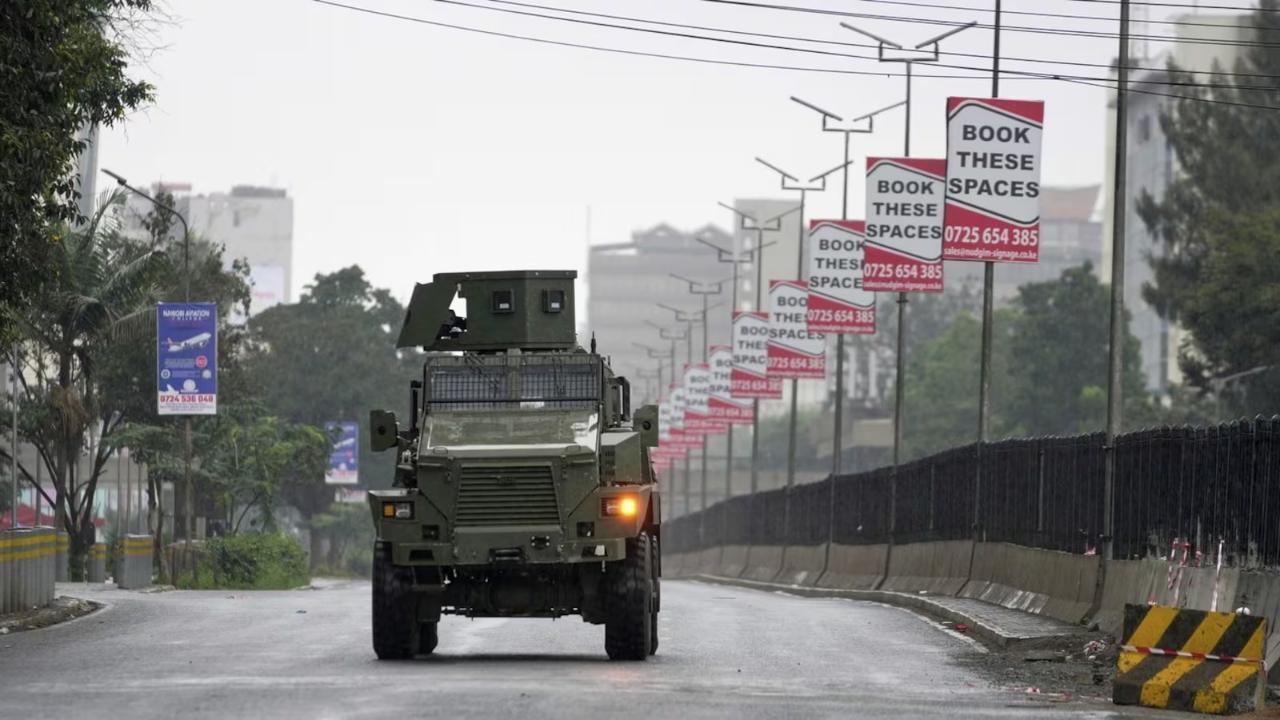
In line with the President’s orders, Kenyan security agencies have significantly increased their presence across major cities. Nairobi, Mombasa, Kisumu, and Nakuru have seen the deployment of heavily armed police units, along with military reinforcements in certain hot spots. Roadblocks, surveillance drones, and riot gear are now common in urban areas.
According to government sources, the crackdown has resulted in the arrest of over 500 protestors, many of whom are young people. Several human rights groups have raised alarm about the conditions in detention centers, alleging abuse, overcrowding, and denial of legal representation. The Independent Policing Oversight Authority (IPOA) has announced an investigation into claims of police misconduct, although critics remain skeptical about the independence and effectiveness of such inquiries.
The Human Cost of the Protests
Beyond the political rhetoric and media coverage lies a grim reality. As of early July, at least 31 people have lost their lives in protest-related violence. Eyewitnesses describe scenes of chaos—tear gas filling the air, live bullets being fired into crowds, and ambulances ferrying the wounded to overwhelmed hospitals. Hospitals in Nairobi and Kisumu have reported an influx of emergency cases, with most victims suffering from bullet wounds, blunt force trauma, and respiratory complications due to tear gas exposure.
In addition to the physical toll, the psychological impact is profound. Parents mourn the loss of children who went out to protest and never returned. Young people, once optimistic about Kenya’s democratic future, now speak of fear, frustration, and disillusionment. For many, the state’s response has confirmed their worst fears: that dissent will be met not with dialogue but with force.
Economic and Social Triggers
The roots of the unrest go deeper than individual incidents. Kenya’s economy has been under significant strain due to global inflation, mounting public debt, and widespread unemployment. The Ruto administration’s controversial Finance Bill, which proposed tax increases on essential goods and services, became a lightning rod for public anger. Although the President later vetoed parts of the bill under public pressure, the damage had already been done.
Kenyans across the socioeconomic spectrum feel the pinch. Fuel prices are high, food inflation is rampant, and the cost of living has skyrocketed. Meanwhile, allegations of corruption continue to plague the government, with critics accusing senior officials of misusing public funds even as ordinary citizens struggle to make ends meet. For many, the protests are not just about the Finance Bill or the death of a blogger—they are about decades of systemic failure and broken promises.
Generational Divide and the Rise of Digital Activism
One of the most significant aspects of the current protests is the visible generational divide. Kenya’s youth—tech-savvy, socially conscious, and politically aware—are no longer willing to sit on the sidelines. They have taken to digital platforms not only to organize protests but also to expose police brutality, highlight social injustices, and amplify marginalized voices.
Influencers, vloggers, and digital journalists are playing a crucial role in shaping the narrative. Unlike traditional media, which is often seen as compromised or state-aligned, these digital activists are viewed as authentic and trustworthy. Livestreams from the streets, real-time updates, and citizen journalism have made it increasingly difficult for the government to control the narrative.
Reactions from Civil Society and the International Community
Kenya’s civil society has responded strongly to President Ruto’s statements. Human rights organizations, legal associations, and religious leaders have condemned the use of excessive force and called for restraint. They argue that while law and order must be maintained, it should not come at the cost of human life and civil liberties.
The Law Society of Kenya has called for an independent investigation into the recent deaths and mass arrests. The Kenya Medical Association has decried attacks on medics and paramedics who were trying to assist injured protestors. Faith-based organizations have urged the government to open channels for dialogue and reconciliation.
Internationally, the United Nations and several Western governments have expressed concern over the situation. While diplomatic statements have largely emphasized the need for peaceful resolution, behind closed doors, there are growing worries about Kenya’s stability and its impact on the wider East African region.
Opposition Response and Political Calculations
Kenya’s main opposition figures have seized the moment to criticize the government, although they have largely avoided trying to lead or co-opt the protests. This is a calculated move, as the protestors have made it clear they do not want political interference. Still, opposition leaders have held press conferences, demanded resignations, and called for reforms.
Some politicians have tried to position themselves as allies of the youth, offering support for their demands without assuming leadership of the movement. Others have warned that the current path could lead to a constitutional crisis, especially if the government continues to act outside legal boundaries.
The Road Ahead: Reform or Repression?
Kenya’s political landscape is now at a crossroads. The government faces two paths: reform or repression. Calls for a national dialogue have grown louder, with many urging President Ruto to address the root causes of discontent. These include economic inequality, unemployment, police reform, and political accountability.
At the same time, there are fears that the government will double down on its hardline approach, using security agencies to suppress dissent and consolidate power. If that happens, the situation could spiral into prolonged instability, with dire consequences for the country’s democratic institutions.
The judiciary may also play a pivotal role in the coming months. Court rulings on the legality of police actions, the constitutionality of executive orders, and the protection of civil rights will be closely watched. If the courts are seen as impartial and just, they could help de-escalate tensions. If not, public trust in the rule of law will erode further.
Youth Voices: A New Political Force
Whatever the outcome, one thing is certain: Kenya’s youth are now a formidable political force. They have demonstrated that they can mobilize, influence public opinion, and challenge authority. Whether through protests, digital activism, or future elections, Generation Z will continue to shape the nation’s destiny.
Their demands go beyond slogans. They want a country where rights are respected, opportunities are equal, and leaders are accountable. Their courage, resilience, and innovation offer a glimpse of a brighter future—if the political establishment is willing to listen.
Conclusion
President Ruto’s declaration of “enough is enough” may have been intended as a call for order, but it has also revealed a deep disconnect between the state and its citizens. The protests shaking Kenya are not isolated events; they are the manifestation of long-standing grievances and unmet expectations. How the government responds in the coming weeks will determine not only its political survival but also the future of Kenyan democracy. A heavy-handed approach may quell the unrest temporarily, but only genuine reform and inclusive governance can bring lasting peace.