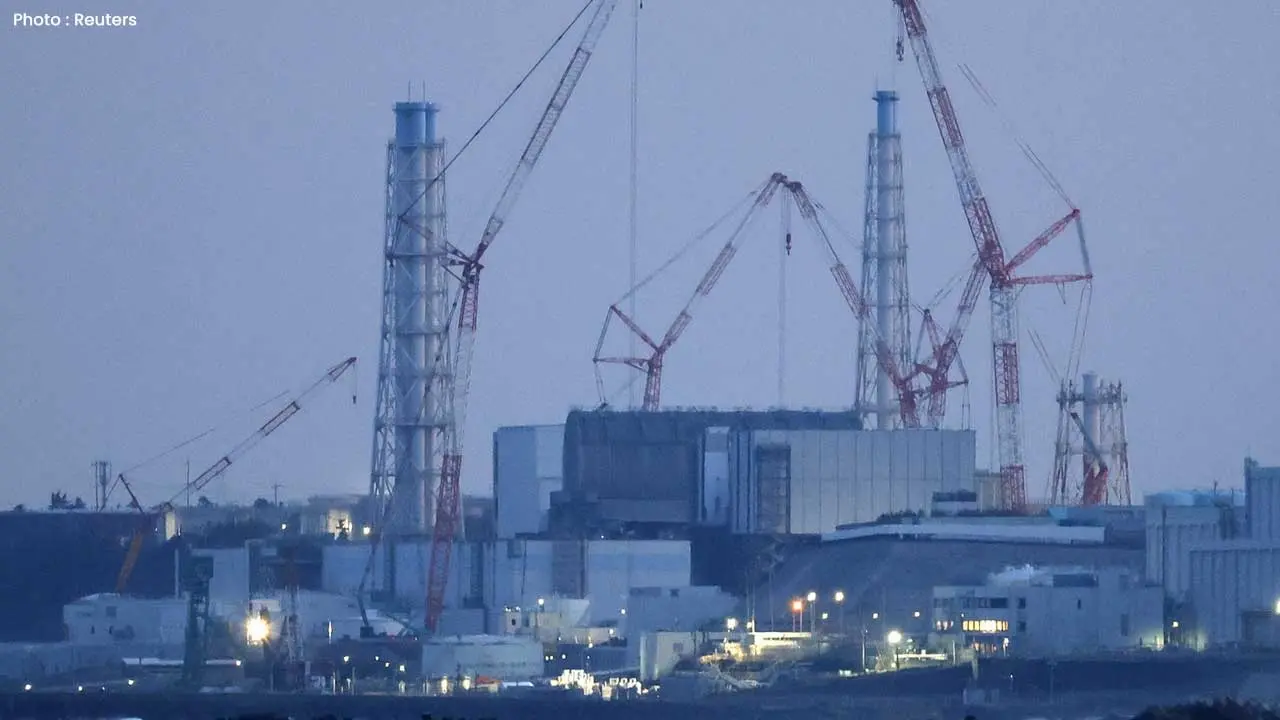
Japan is on track to restart its largest nuclear power facility, the Kashiwazaki-Kariwa plant, nearly 15 years following the Fukushima nuclear disaster. Located in the Niigata region, approximately 220 kilometers from Tokyo, this plant is pivotal in Japan’s energy plans.
Shut down in 2011 due to a major earthquake and tsunami that severely affected the Fukushima Daiichi plant, this nuclear facility is preparing to return to operations. The Fukushima incident remains one of the most catastrophic nuclear mishaps ever recorded.
Following Fukushima, 54 nuclear reactors were taken offline across Japan. Gradually, the nation has restarted several, with 14 currently operational out of the 33 that are available for use.
The Kashiwazaki-Kariwa plant, which consists of seven reactors, is expected to begin operations soon, potentially with the first reactor online by January 20 if all approvals are granted.
The plant is operated by the same company responsible for the Fukushima plant, which has assured residents of Niigata that enhanced safety measures are in place to prevent a repeat of past failures.
In a bid to cultivate public trust, the company has committed to investing 100 billion yen in the Niigata region over the next decade.
Nonetheless, significant local apprehension persists.
A recent survey indicated that 60% of residents believe the plant isn’t ready to resume operations, while nearly 70% voiced distrust towards the company regarding its management of safety protocols.
One vocal protester, Ayako Oga, a 52-year-old farmer who relocated to Niigata from the Fukushima area post-disaster, expressed that the prospect of the plant’s restart triggers anxiety and painful reminders of past trauma.
Even Niigata’s governor, though in favor of resuming operations, echoed the hope for a future wherein Japan can harness energy sources that vanquish concerns.
In an upcoming vote slated for Monday, local lawmakers will determine the credibility of the governor’s decision. This pivotal vote will dictate whether the plan proceeds.
If the plant reopens, it could augment electricity supply to the Tokyo area by 2%. Japan is striving to enhance its energy capacity while reducing reliance on imported oil, gas, and coal.
Last year, Japan expended a considerable amount on fuel imports, and with impending increases in power consumption due to data centers and evolving technologies, the country recognizes the necessity for additional energy sources.
Japan aims to amplify its nuclear energy contribution, aspiring for nuclear power to constitute 20% of its overall energy output by 2040, which also aligns with environmental sustainability efforts.
Yet, numerous citizens remain anxious about associated risks.
For individuals like Oga, every update on the plant’s restart is a resurfacing of traumatic memories. She plans to demonstrate outside the assembly building during the crucial vote.