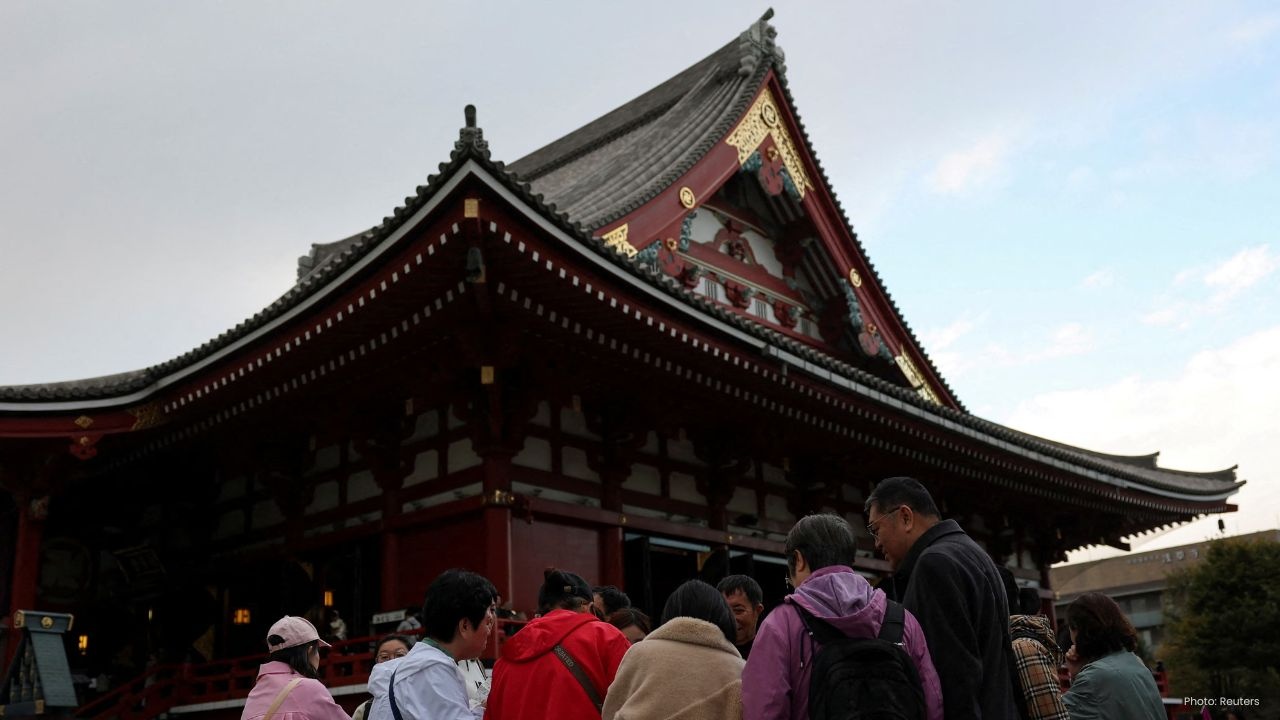
Tokyo — The tourism sector in Japan is experiencing a significant setback as authorities in China advise against travel to the nation due to escalating diplomatic disputes over Taiwan. This directive has prompted a swift wave of cancellations, jeopardizing billions in potential revenue.
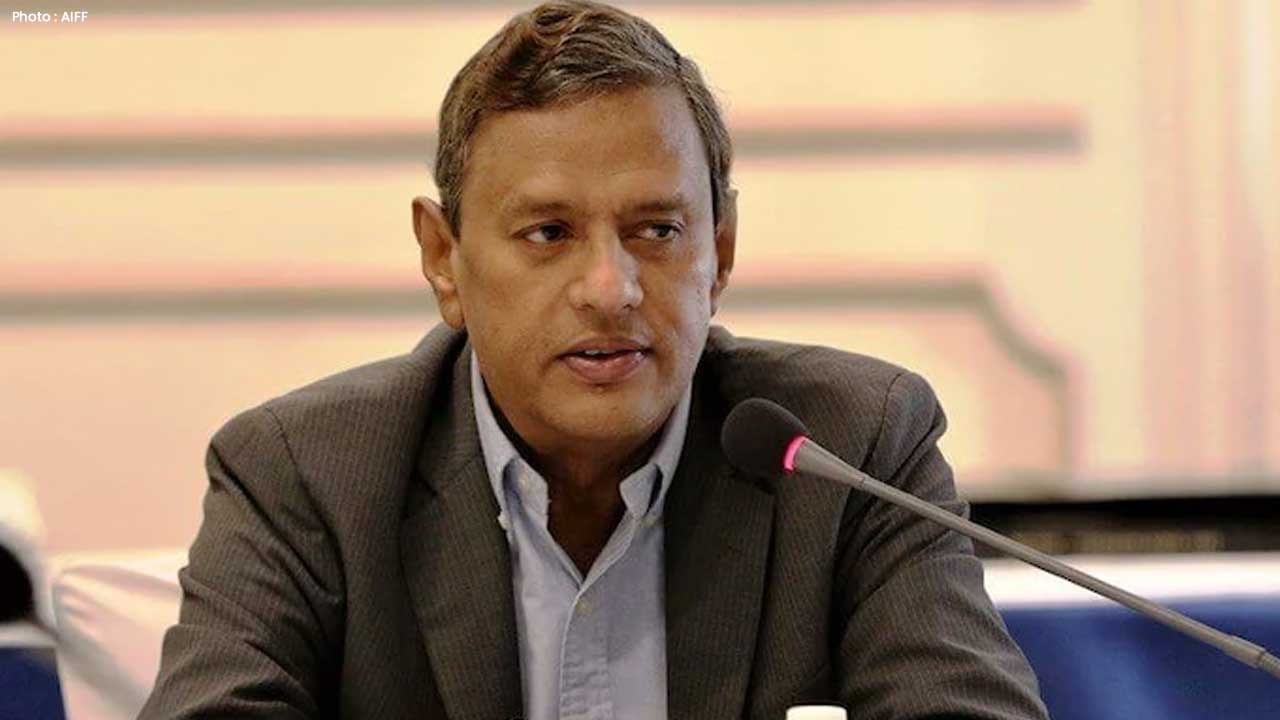
A small travel agency in Tokyo, East Japan International Travel Service, focusing on group tours for Chinese guests, reported an alarming 80% drop in bookings for the rest of the year. Vice president Yu Jinxin expressed, "This is a huge loss for us."
Tourism contributes about 7% to Japan's economy, with travelers from mainland China and Hong Kong accounting for nearly 20% of total arrivals, making them vital for continuous economic growth. Analysts predict that an extended boycott could result in losses amounting to approximately 2.2 trillion yen ($14.23 billion) per year.
The situation has led to increased flight cancellations, with more than 10 Chinese airlines offering refunds for trips to Japan up to the end of December. Estimates reveal that close to half a million flight tickets have already been canceled. Japanese tourism stocks have also seen considerable shifts, mirroring investor fears regarding the fallout.
Tensions escalated when Japanese Prime Minister Sanae Takaichi indicated that a Chinese military action regarding Taiwan could jeopardize Japan’s security, possibly prompting a military response. In retaliation, Chinese diplomats and state-run media reacted strongly, leading Tokyo to issue safety warnings for its citizens in China. Beijing has called for Takaichi's remarks to be retracted, but Japan's firm response suggests a quick resolution is unlikely.
The diplomatic rift extends beyond just tourism; entertainment and media interactions have also been affected, with China halting screenings of Japanese films. Additionally, renowned Japanese celebrities in China have voiced support for the "One China" stance to mitigate backlash.
For small operators like Yu's agency, the implications are severe. While past conflicts, such as those over island nationalization in 2012, were managed, the protracted nature of this dispute could have dire outcomes. "If this lasts for one or two months, we can handle it, but if it further deteriorates, the consequences will be significant," Yu cautioned.
Japan now finds itself facing the dual challenge of resolving diplomatic issues while trying to revitalize its tourism industry, a key element in its post-pandemic economic recovery.