Japan’s recent experience with a 7.5-magnitude earthquake and subsequent tsunami warning highlights the delicate balance of life in disaster-threatened areas. While no significant damage was reported and the warning was eventually lifted, this incident raises vital discussions on safety measures, preparedness levels, and the resilience of a nation constantly faced with natural calamities.
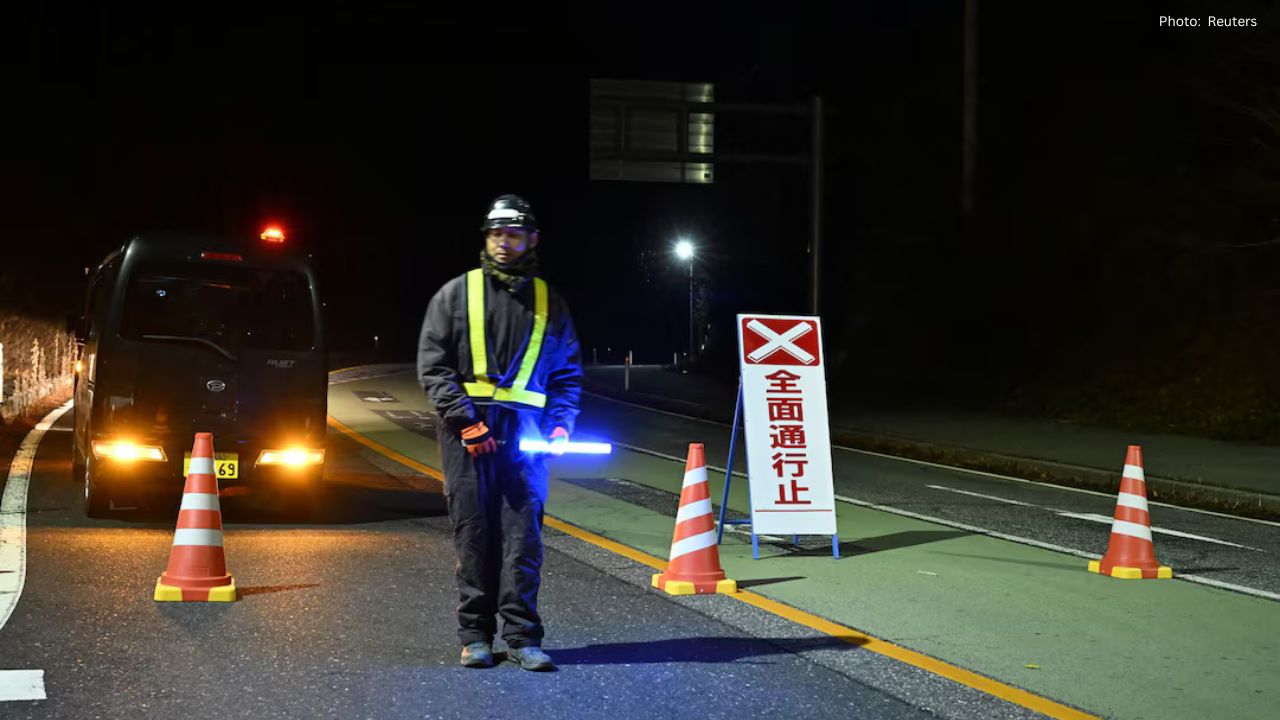
The quake occurred late at night off northeastern Japan’s coast, with tremors so intense in certain places that individuals struggled to maintain their footing. Authorities swiftly issued tsunami alerts, prompting nearly 90,000 residents to flee to safe zones. Recorded wave heights at various ports reached between 20 and 70 centimeters, leading to a tense wait for potential larger waves.
Fortunately, by morning, the warnings had been reduced and abandoned. That said, at least 30 individuals sustained injuries, and reports of a fire surfaced. Train services faced interruptions, road access was limited, and power went briefly out for thousands. Although physical damage was minimal, the emotional toll was significant, reminiscent of the catastrophic tsunami and earthquake that impacted Japan in 2011.
As one of the globe's most earthquake-vulnerable nations, Japan faces tremors nearly daily and resides on the “Ring of Fire,” where tectonic plates frequently shift. The lessons of history, particularly the tragic events of 2011 that claimed nearly 20,000 lives and ignited a nuclear crisis at the Fukushima facility, continue to resonate.
As a result of past experiences, Japan has established robust warning mechanisms and emergency plans, which proved effective this time. The rapid dissemination of warnings, prompt evacuation procedures, and immediate checks on nuclear facilities, which showed no irregularities, underscore the critical importance of preparation in saving lives.
However, this incident serves as a stark reminder that threats may persist. Authorities have indicated that strong aftershocks could follow within a week. This reality instills anxiety in families residing in vulnerable areas.
From an editorial perspective, Japan’s proactive response merits admiration, yet the looming danger of mega-earthquakes demonstrates that no system is infallible. Ongoing investment in infrastructure, educational outreach, and technological advancement is crucial. Furthermore, citizens must remain vigilant and adhere closely to safety directives.
This event resonates globally, indicating that climate changes and fluctuating geological conditions are making natural disasters increasingly unpredictable. Countries, particularly those prone to coastal and seismic activity, must draw lessons from Japan's preparedness strategy. Systems for early alerts, stringent building codes, and routine emergency drills must be viewed as essential resources, not just optional advantages.
Additionally, the importance of effective communication cannot be overstated. Swift, clear, and candid updates from officials mitigated potential panic. Such transparency fosters trust, enabling communities to respond rationally in crises.
Ultimately, Japan's recent earthquake and tsunami scare is more than just a news item; it is an instructive lesson. Nature's might cannot be quelled, but its impact can be diminished through diligent planning, adherence to guidelines, and scientific understanding.
Japan avoided catastrophe this time, but the reality is daunting, with an unmistakable lesson: preparedness remains the most formidable shield against nature’s might.