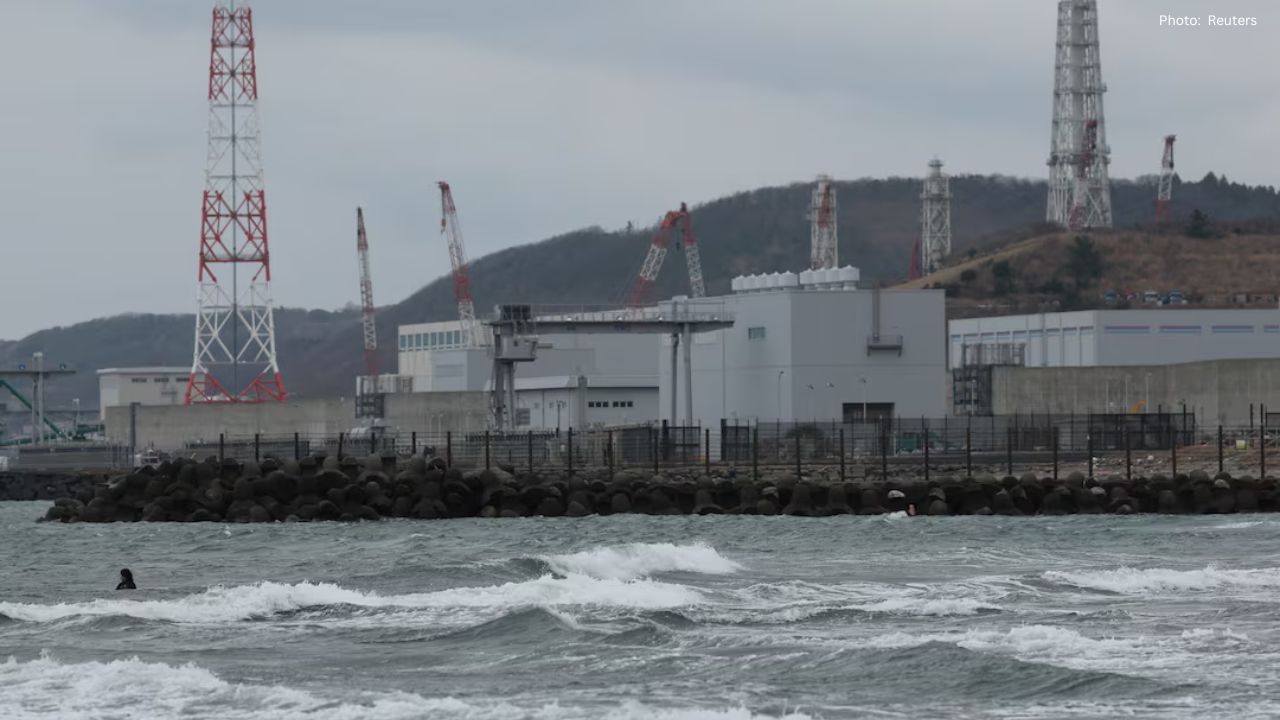
Japan is embarking on a significant return to nuclear energy nearly 15 years after the disastrous events at Fukushima reshaped its energy landscape. Recently, the Niigata regional assembly endorsed a decision facilitating the restart of the Kashiwazaki-Kariwa nuclear power plant, recognized as the largest nuclear site globally.
Situated on Japan's northwest coast, this facility halted operations following the catastrophic earthquake and tsunami in 2011, which precipitated a meltdown at the Fukushima Daiichi site. This tragedy compelled Japan to deactivate all of its nuclear reactors and reassess its energy strategy. For many, the Fukushima incident remains a haunting reminder of turmoil and long-lasting repercussions.
Since then, Japan has gradually resumed operations at some reactors. Out of the initial 54 reactors brought offline after Fukushima, merely 14 have since restarted. The Kashiwazaki-Kariwa will be the first plant under Tokyo Electric Power Company (TEPCO) to restart following the incident, with TEPCO also being the operator of the troubled Fukushima plant.
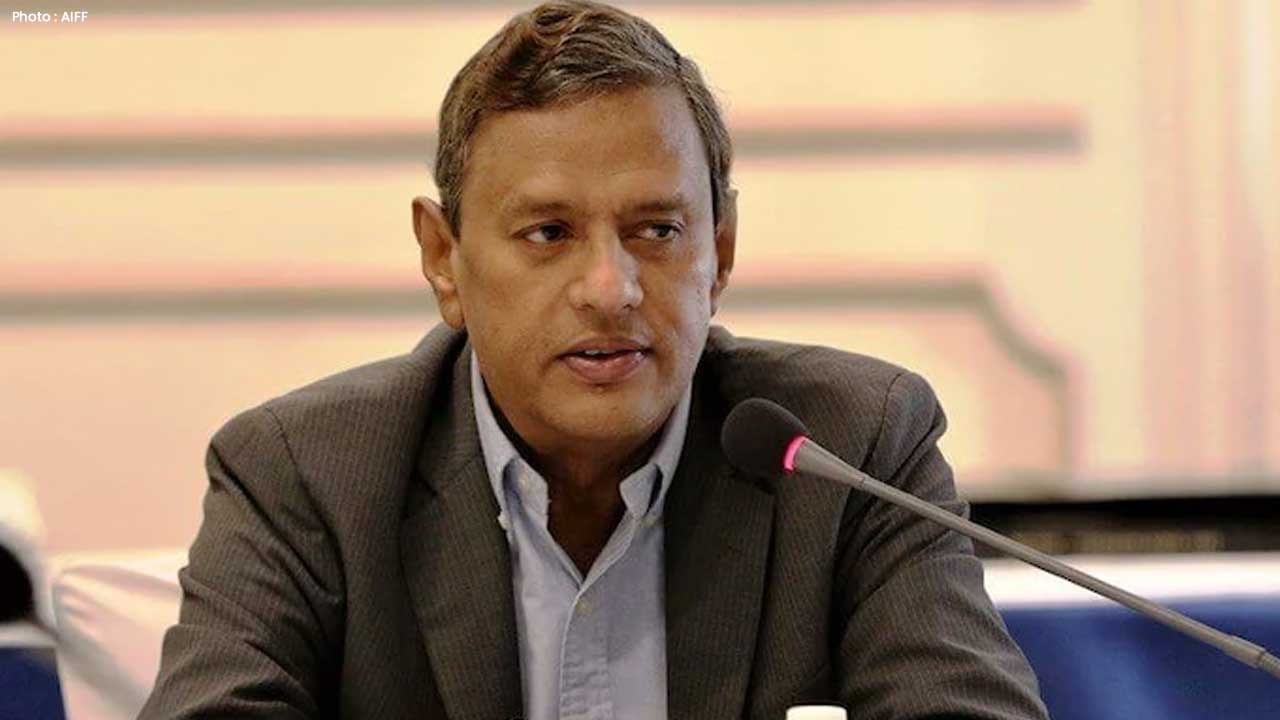
This pivotal decision follows a vote of confidence for Governor Hideyo Hanazumi, who has been vocal in supporting the plant's restart, viewed as the last needed political endorsement prior to the initiation of operations. According to Japanese media reports, TEPCO aims to get the first of the plant’s seven reactors operational by January.
Proponents of this action assert that it's crucial for Japan’s energy reliability. The country has a heavy reliance on imported fossil fuels like coal and gas, which account for approximately two-thirds of its electricity generation. These imports are costly and susceptible to fluctuations in global prices. Restarting this nuclear facility could contribute about 2% of the electricity necessary for the Tokyo region while alleviating Japan's fuel expenses.
The newly appointed prime minister has endorsed nuclear restarts to ensure a steady energy supply while aligning with climate objectives. The government aspires to elevate the proportion of nuclear energy within the national energy portfolio to 20% by 2040, anticipating a rise in electricity needs due to innovations such as large data centers supporting artificial intelligence.
Nonetheless, there exists substantial public apprehension. A gathering of around 300 protested outside the Niigata assembly, wielding signs reading “No Nukes” and “Never Forget Fukushima.” Among the demonstrators were older citizens and Fukushima survivors who fear a recurrence of past catastrophes.
One such individual, Ayako Oga, relocated to Niigata after escaping her home near Fukushima in 2011. She shared that the trauma from this event continues to linger in her life. To her and countless others, the prospect of restarting a major nuclear facility feels more like stepping back into peril than advancing forward.
Polls indicate that the majority of Niigata residents harbor skepticism regarding the restart. Approximately 60% feel that current safety conditions are inadequate, and nearly 70% express concerns about TEPCO’s capacity to manage the plant securely. In an attempt to gain community trust, TEPCO has pledged significant investments in the region over the forthcoming decade. Yet, confidence remains tenuous.
TEPCO asserts its commitment to avoiding future nuclear incidents and ensuring the safety of nearby communities. However, critics maintain that no level of preparedness can entirely eliminate the hazards associated with nuclear power, especially in a country prone to earthquakes like Japan.
Even Governor Hanazumi has voiced reservations. While he currently supports the restart, he articulates a hope that Japan will eventually transition to energy solutions that alleviate public fears and anxieties.
The revival of Kashiwazaki-Kariwa signifies a crucial moment in Japan’s energy discourse, reflecting a nation striving to balance safety considerations, historical lessons, and future demands. The long-term implications of this decision on Japan's energy sustainability and public sentiment will unfold over the coming years.