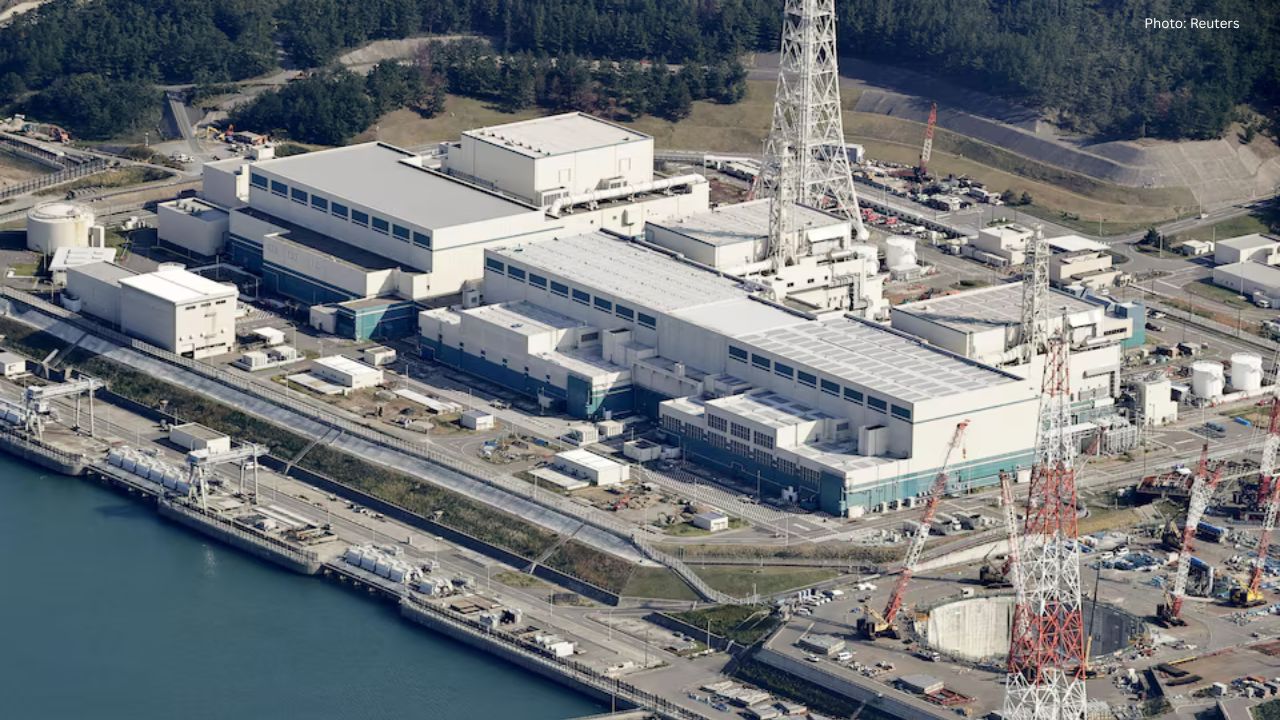
Japan stands on the brink of a critical energy decision that could reshape its power landscape. The Kashiwazaki-Kariwa nuclear power plant, recognized as the most extensive nuclear facility worldwide, is on track to resume operations as soon as January, contingent on timely final approvals. Situated in Niigata Prefecture, this plant has been out of commission for years due to safety concerns stemming from the 2011 Fukushima disaster. With Japan aiming to enhance its energy security and reduce heavy dependence on fossil fuel imports, discussions around the plant's reactivation have surged to the forefront of national dialogue.
Plant director Takeyuki Inagaki indicated to Jiji news agency that Unit 6’s restart could happen shortly, pending consent from regional governing bodies by the conclusion of December. This follows last week's critical development where the regional governor approved a partial restart. The Niigata Prefectural assembly is poised to deliberate and vote on this proposal during its regular session starting December 2. Their endorsement is crucial for any subsequent steps.
If the local assembly agrees on the restart, Tokyo Electric Power Company Holdings (TEPCO), the plant’s operator, would then apply to Japan’s Nuclear Regulatory Commission for a necessary pre-use confirmation. This safety review, ensuring all equipment and procedures meet the stringent national standards, typically lasts three to four weeks, placing the plant's potential operational restart in early January. This timeline indicates one of the swiftest possible restarts in recent history.
This decision transcends mere energy considerations for Japan; it serves as a significant gauge of public confidence in nuclear power. Following the 2011 Fukushima Daiichi accident—also operated by TEPCO—many citizens harbor deep reservations towards nuclear energy. Currently, TEPCO is still compensating victims of the disaster, with its reputation severely tarnished. A restart at Kashiwazaki-Kariwa would represent TEPCO's first substantial move toward restoring credibility and reaffirming public faith.
From an economic standpoint, Japan has compelling reasons to revisit nuclear energy. The nation largely imports fossil fuels, especially natural gas and oil. With rising global prices and increasing energy demands, reactivating nuclear facilities could greatly reduce costs and bolster domestic energy stability. Additionally, nuclear power plays a significant role in Japan’s environmental strategy by lowering carbon emissions, aligning with its long-term climate objectives.
Nonetheless, apprehensions persist. Numerous citizens and activists express concerns that restarting such a significant plant prematurely could lead to safety hazards, particularly given past critiques related to security issues. Others advocate for a stronger focus on renewable resources like wind, solar, and geothermal energy. The national discourse mirrors broader questions about how Japan intends to craft its energy future, balancing safety, ecological responsibility, and economic necessities.
As the decisive vote awaits in Niigata, attention is sharply focused on the local assembly. Should the approval process advance smoothly, the world’s largest nuclear power plant could resume energy generation after years of inactivity. For Japan, this moment would signify a profound transition towards recovery, energy autonomy, and a potentially new narrative in nuclear governance. The extent of public acceptance of such a shift will undeniably shape Japan’s energy trajectory in the coming years.