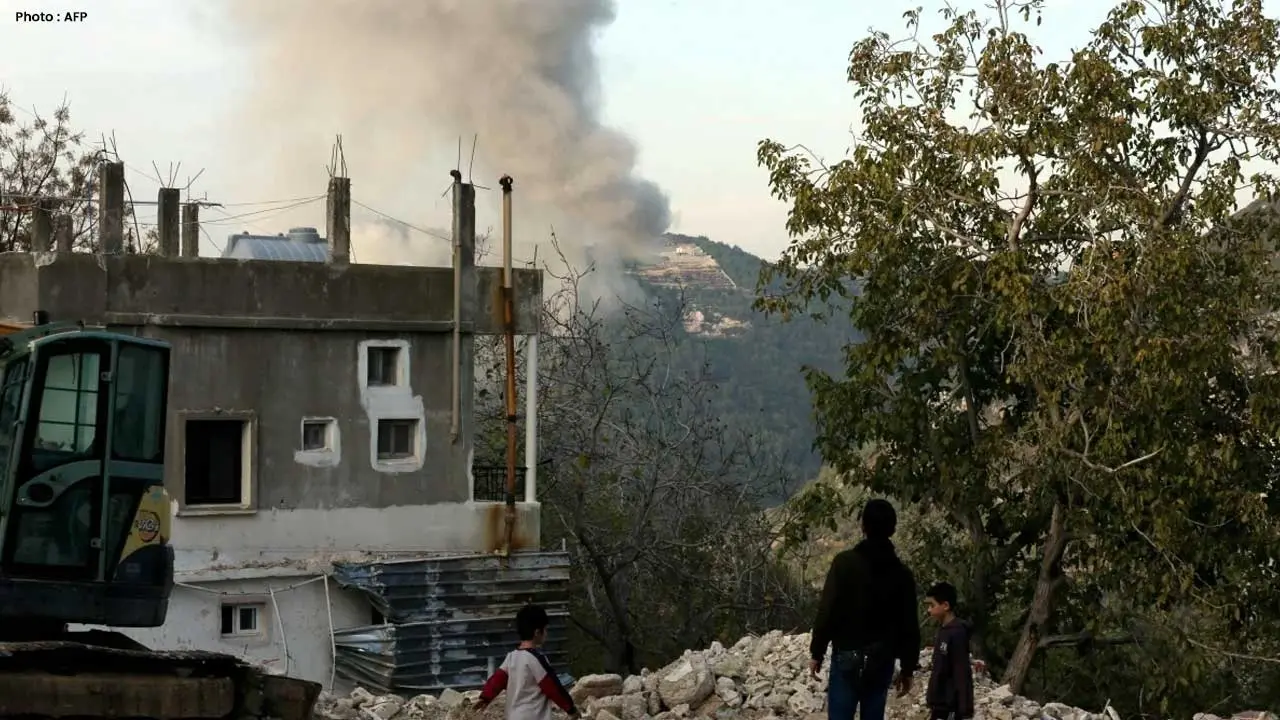
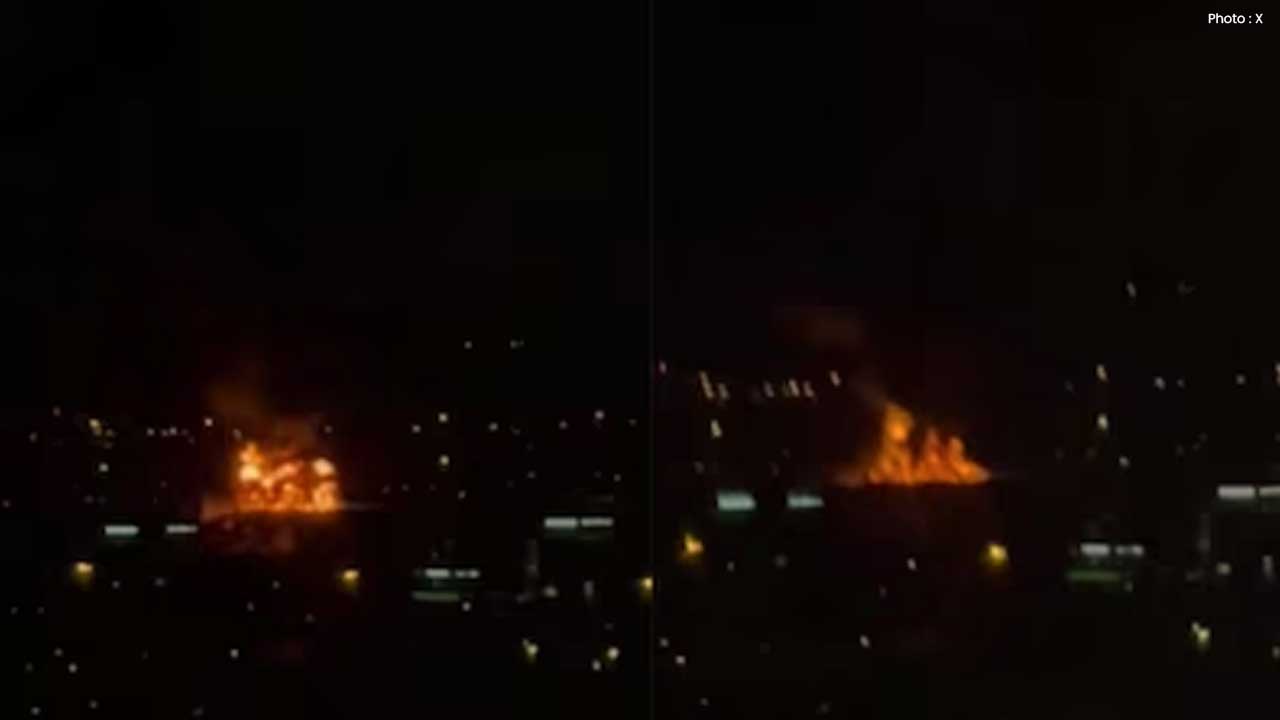
On Thursday, Israel executed a series of airstrikes across southern Lebanon, specifically targeting Jbaa, Mahrouna, Majadal, and Baraasheet. This aggressive action comes as friction grows with Hezbollah, the Iran-supported militant faction. The Israeli forces emphasized that the strikes aimed at Hezbollah’s weapon depots, asserting these are frequently located within civilian zones.
The escalation follows a historic meeting between Lebanese and Israeli civilian representatives, a first in decades, facilitated by the UN peacekeeping contingent in Naqura. They aimed to ensure adherence to the November 2024 ceasefire, which was meant to conclude over a year of conflict. Despite this agreement, Israel retains a military foothold in five key southern Lebanon areas and has persisted with air operations recently.
The recent air activity had been briefly alleviated during Pope Leo XIV’s visit from Sunday to Tuesday, during which he called for an end to hostilities and emphasized the human costs of warfare. Unfortunately, tensions reignited on Thursday, with Israel expressing intentions to target further Hezbollah military assets in southern towns.
Local authorities reported severe damage to civilian properties. Yassir Madi from Jbaa mentioned that the community is in shock, detailing how nearly every window within a 300-meter radius of the bombs was shattered. Residents recounted the airstrikes as a stark reminder of the region’s persistent instability.
The Israeli armed forces defended their roadside actions, claiming Hezbollah exploits civilians as human shields while maintaining weapon caches in populated locations. They asserted that the strikes were meticulously aimed at terrorist infrastructure.
While Lebanon’s government has vowed to neutralize Hezbollah, the militant group has rebuffed these demands, amplifying fears of an expanded Israeli military response. President Joseph Aoun announced an upcoming round of discussions with Israeli representatives set for December 19, insisting that dialogue is essential for peace rather than conflict. Prime Minister Nawaf Salam reiterated that the focus of the talks remains on enforcing the ceasefire, securing the release of hostages, and guaranteeing the withdrawal of Israeli forces from Lebanese land.
International stakeholders are vigilantly observing the situation. The United States has advised Lebanon to disarm Hezbollah and has fostered dialogues between the two nations. US envoy Morgan Ortagus participated in the recent discussions, which also included delegations from France, the UN, and a ceasefire monitoring body. France affirmed its support for the talks, reinforcing its dedication to fostering peace and stability in the area.
Israel's Prime Minister Benjamin Netanyahu characterized the discussions as "promising," mentioning an agreement to look into possible economic collaboration. However, Israel maintains that progress depends on Hezbollah’s disarmament. The atmosphere remains tense, with Lebanon and Israel still technically at war since 1948, and both sides imposing strict rules on diplomatic interactions.
The renewed airstrikes highlight the precariousness of the situation in southern Lebanon, where civilians suffer the consequences of military engagements and global actors work to facilitate dialogue and curtail further conflict.