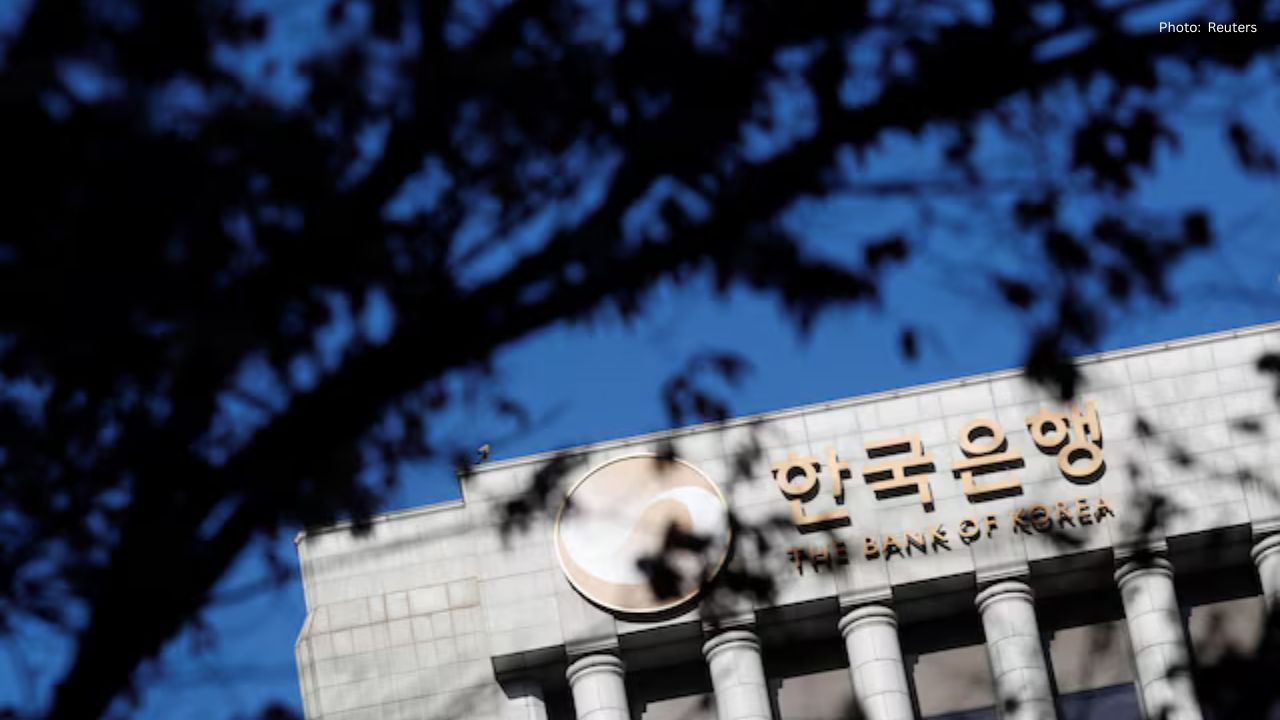
The Bank of Korea has issued a warning that inflation might exceed expectations next year if the won continues to be weak against the U.S. dollar. Should the exchange rate hover around 1,470 won per dollar, consumer prices may surpass current projections.
In November, the annual headline inflation rate increased by 2.4 percent, surpassing the bank’s target of two percent for the third consecutive month. A devalued won raises the cost of imported goods, contributing to a rise in domestic prices.
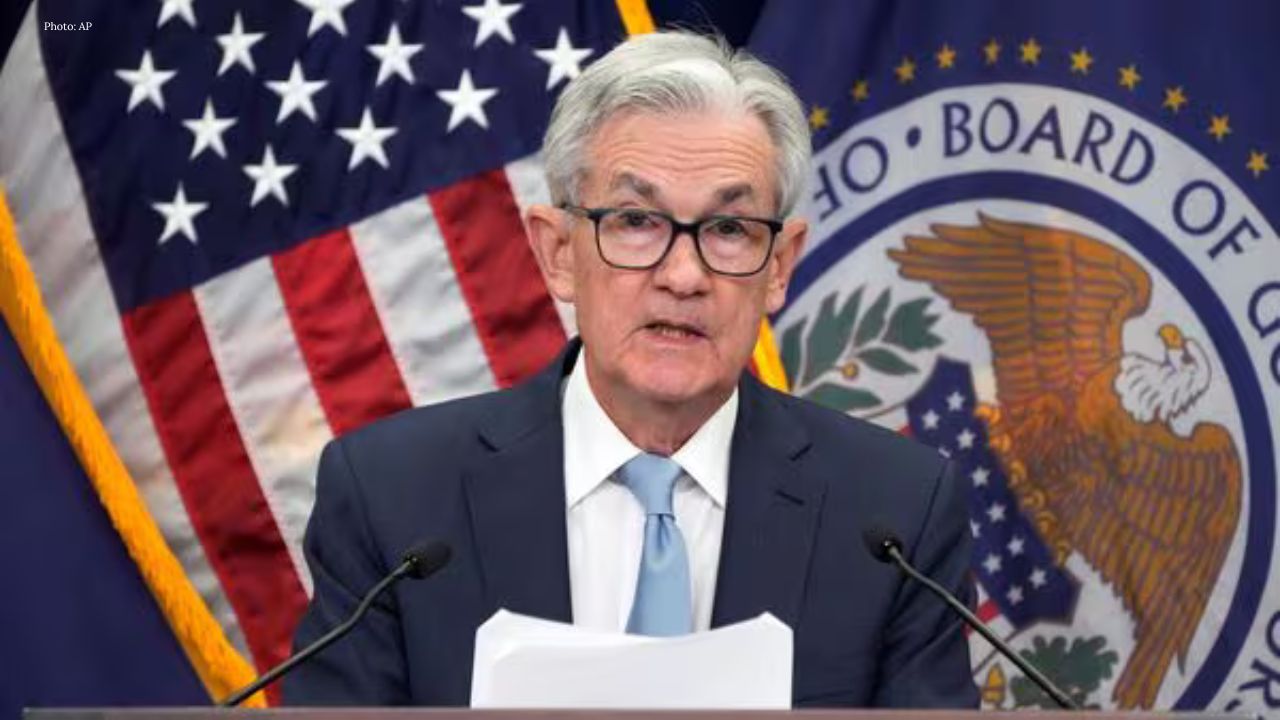
Governor Rhee Chang-yong emphasized that the bank will mitigate the impact of significant dollar outflows from South Korea's $350 billion investment fund on foreign exchange stability—a fund that operates under the country’s trade agreement with the U.S.
Furthermore, Rhee urged the National Pension Service, one of the largest domestic investors, to closely monitor macroeconomic conditions. The pension fund's dollar investments abroad have exacerbated the won's weakness, prompting Rhee to recommend currency hedging strategies to safeguard the value of overseas investments.
As of Wednesday, the won had depreciated by 0.5 percent to 1,480.4 per dollar, approaching a sixteen-year low. Economists caution that a sustained weak won could elevate the costs of goods and services, impacting households and businesses alike.
The Bank of Korea's analysis indicates that vigilant monitoring of the exchange rate and managing substantial investment flows are vital to controlling inflation. Policymakers may intervene if the weak won threatens price stability or economic growth.
A stable currency is crucial for managing living costs and sustaining economic confidence. Close collaboration between the central bank and major investors will be necessary to navigate these challenges in the year ahead.