In a surprising twist, Indiana Republicans have chosen to reject a redistricting proposal backed by former President Donald Trump, moving against strong pressure from their party. This unexpected decision came in a Senate vote where 21 Republican senators joined forces with all 10 Democrats, swiftly overturning the map with a 31-19 majority. The initial proposal had already cleared the House a week prior and was poised to enable Republicans in flipping the state’s two Democratic-held congressional districts.
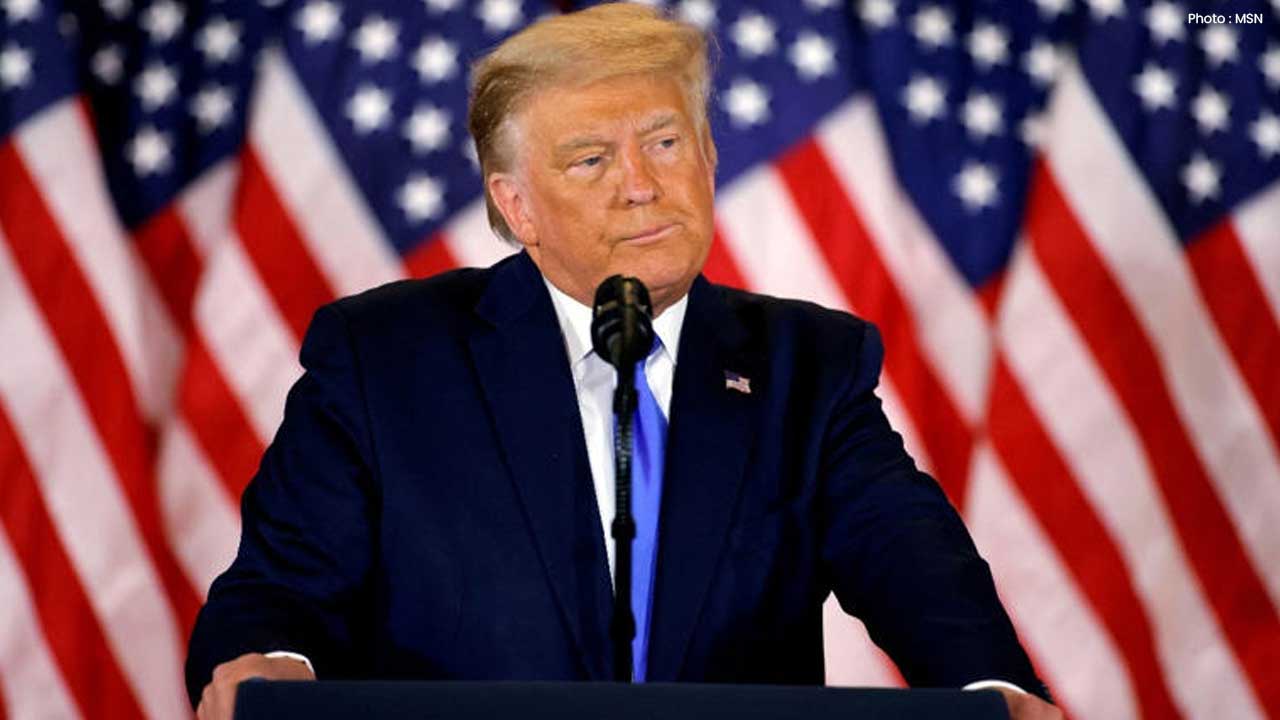
Trump had ramped up his calls for Republican leaders across the nation to revise voting districts to safeguard the party’s majority in Congress, igniting gerrymandering controversies in multiple states, including Texas, California, Utah, Ohio, New Hampshire, Missouri, and Illinois. The efforts in Indiana followed months of lobbying from the White House, culminating in this pivotal Senate decision. Trump notably took to his social media platform, Truth Social, to admonish Republicans resisting redistricting efforts, singling out Indiana Senate leader Rodric Bray as “the lone figure in America” against boosting Republican seats.
Senator Spencer Deery, a Republican in Indiana, stood firm in his reasoning, asserting that rejecting mid-session gerrymandering aligns with core conservative values. “As long as I have breath, I will voice my opposition to a federal government trying to impose, dictate, and manipulate this state or any other,” he asserted. Indiana Governor Mike Braun expressed his disappointment over the outcome, vowing to collaborate with the President to challenge lawmakers who he feels aren't upholding the interests of Hoosiers.
The proposed redistricting sparked vigorous protests at the Indiana Statehouse, with demonstrators cautioning that the new map might have modified districts in Indianapolis and even jeopardized the position of the only black House representative, André Carson. Supporters of the plan included Trump himself, who gathered lawmakers at the White House and sent Vice President JD Vance to Indiana twice to rally support. Reports surfaced of several Republican legislators receiving threats and swatting incidents leading to the vote.
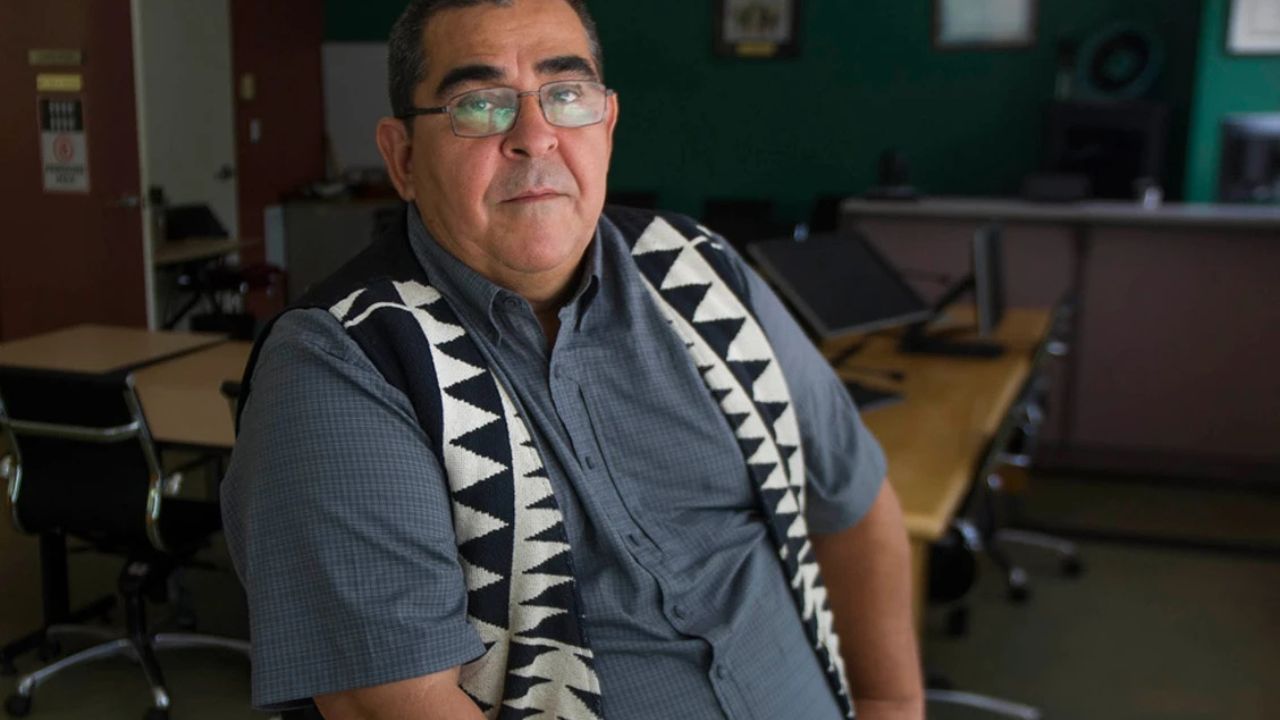
The Senate's rejection of the plan was a cause for celebration among Democrats and liberal activists. Keith “Wildstyle” Paschall remarked on the atmosphere, saying it felt “jubilant,” as many were weary of facing lengthy legal battles to counter the proposal.
This defeat in Indiana marks another hurdle for Trump, following a series of Democratic triumphs in recent off-year elections. Former White House strategist Steve Bannon cautioned that missing out on redistricting victories could hinder Republicans’ ability to hold onto control of the House in upcoming elections.
Conversely, Texas Republicans responded to Trump’s redistricting push in a different vein. After legal disputes claimed the maps were racially motivated, the Supreme Court permitted the new maps to proceed, potentially gifting Republicans five additional seats in Congress, thereby securing a notable victory for the party.
The vote in Indiana highlights the growing rifts within the Republican Party regarding gerrymandering and emphasizes the challenges Trump faces in steering election strategies at the state level. As the midterm elections loom, redistricting confrontations in important states like Indiana and Texas are set to play a crucial role in shaping the U.S. political landscape.