India took a definitive stand against Pakistan during the United Nations Security Council meeting, dismissing Islamabad’s persistent assertions regarding Jammu and Kashmir, while also critiquing Pakistan’s domestic politics and its role in terrorism.
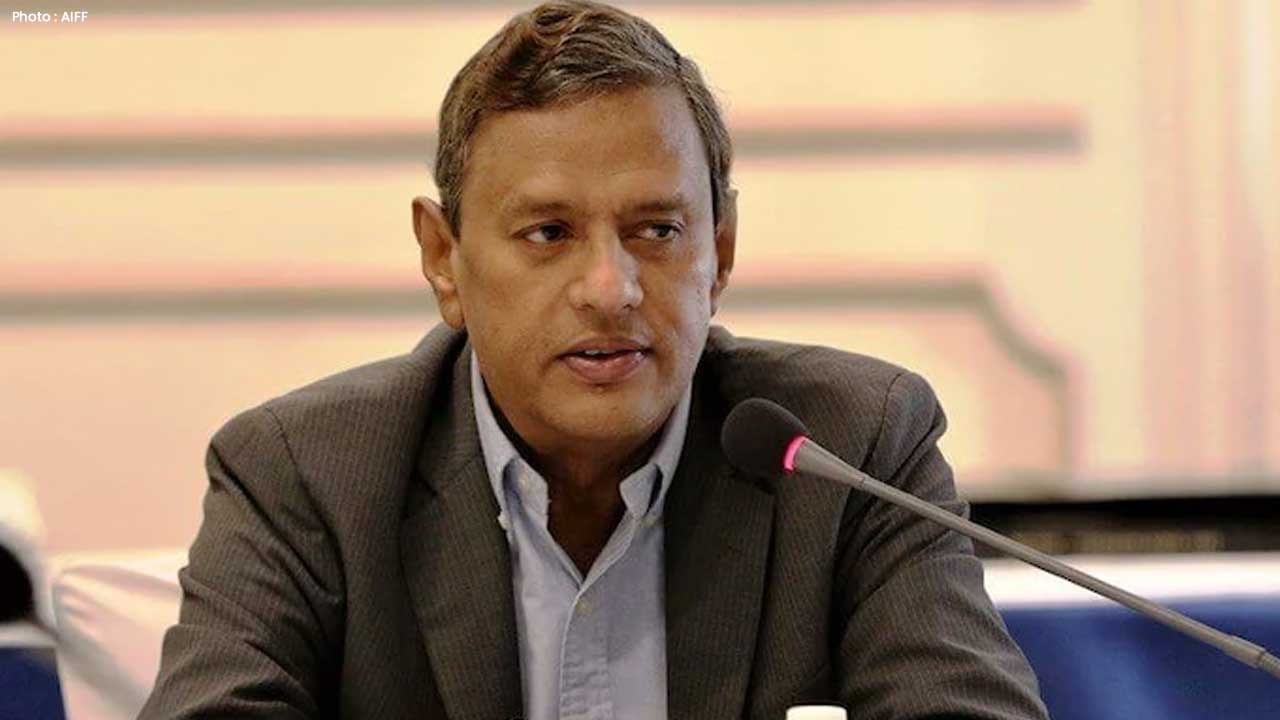
During the open debate on “Leadership for Peace,” Ambassador Harish Parvathaneni emphasized that Jammu and Kashmir along with Ladakh are indispensable parts of India. He affirmed that these regions will forever belong to the nation.
The Ambassador accused Pakistan of fixating on undermining India and its citizens, stating that Pakistan misuses international platforms to address settled matters and distract from its internal issues.
India also remarked on the suspension of the Indus Waters Treaty, stating the move stemmed from Pakistan’s enduring support for terrorism. Parvathaneni noted that India entered the treaty 65 years ago out of goodwill, but Pakistan has repeatedly undermined this through military conflicts and sponsorship of numerous terror attacks.
Addressing the human toll of terrorism, India highlighted that tens of thousands of lives have been lost due to Pakistan-backed attacks over the last 40 years. The envoy recalled the deadly Pahalgam attack in Jammu and Kashmir this year, which led to the deaths of 26 civilians, including a foreign national.
Given this context, India announced its decision to suspend the Indus Waters Treaty until Pakistan effectively ceases its support for all forms of terrorism. The Indian representatives labeled Pakistan as a central hub of global terrorism, asserting that ongoing violence hinders any possibility of cooperation.
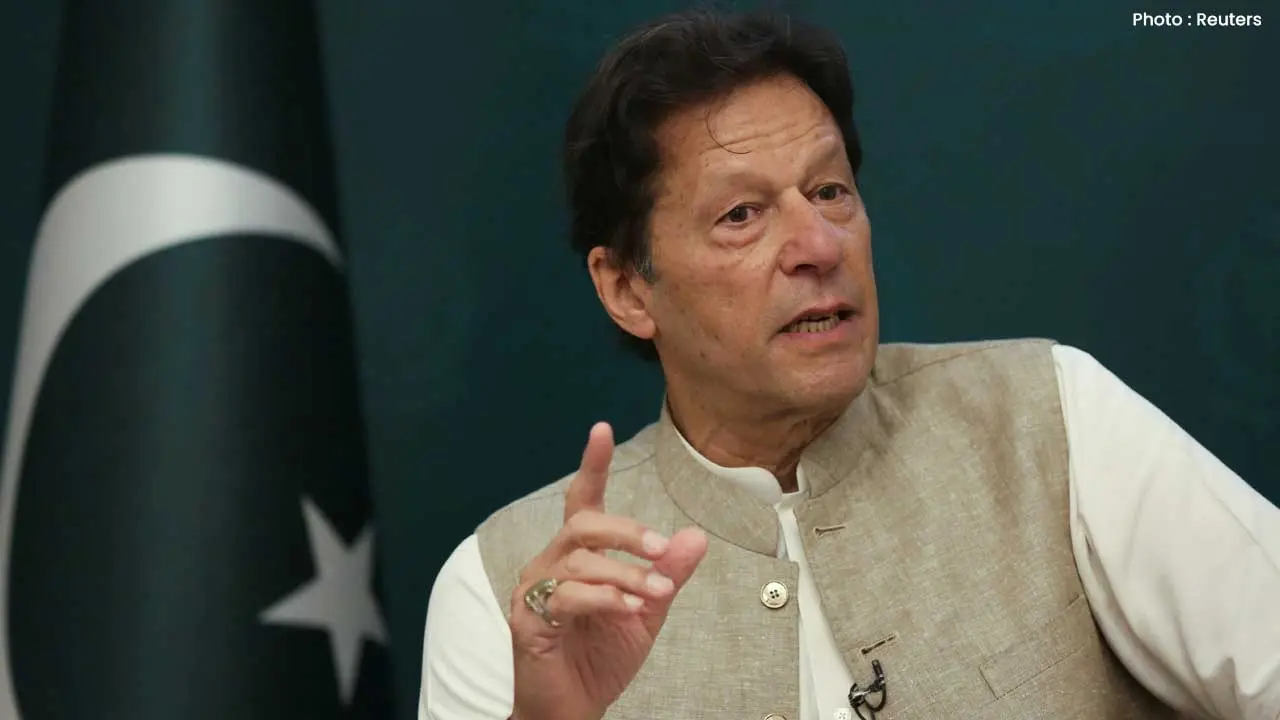
Parvathaneni also strongly criticized Pakistan’s democratic practices, citing the imprisonment of former Prime Minister Imran Khan, the ban on the Pakistan Tehreek-e-Insaf party, and what he described as a constitutional coup. He pointed to the 27th constitutional amendment, which grants lifetime immunity to Pakistan's Chief of Defence Forces, Asim Munir, fundamentally undermining democratic values.
India reiterated its unwavering commitment to combatting Pakistan-sponsored terrorism forcefully, stressing its obligation to safeguard national security and its populace from external threats.
The remarks were a direct response to the statements from Pakistan's representative, who reiterated claims regarding the unresolved status of Jammu and Kashmir and criticized India's actions regarding the Indus Waters Treaty. Pakistan contended that lasting peace in South Asia requires addressing the Kashmir issue and accused India of breaching international obligations.
India firmly dismissed these assertions, asserting that Jammu and Kashmir constitutes a domestic issue, with Pakistan lacking any valid grounds to challenge India's sovereignty. The Indian delegation characterized Pakistan's efforts to internationalize the situation as misleading tactics aimed at diverting attention from its shortcomings.
This exchange underscored the substantial diplomatic rift between India and Pakistan at the UN, with India resolutely upholding its stance on Kashmir, terrorism, and the pursuit of regional peace.