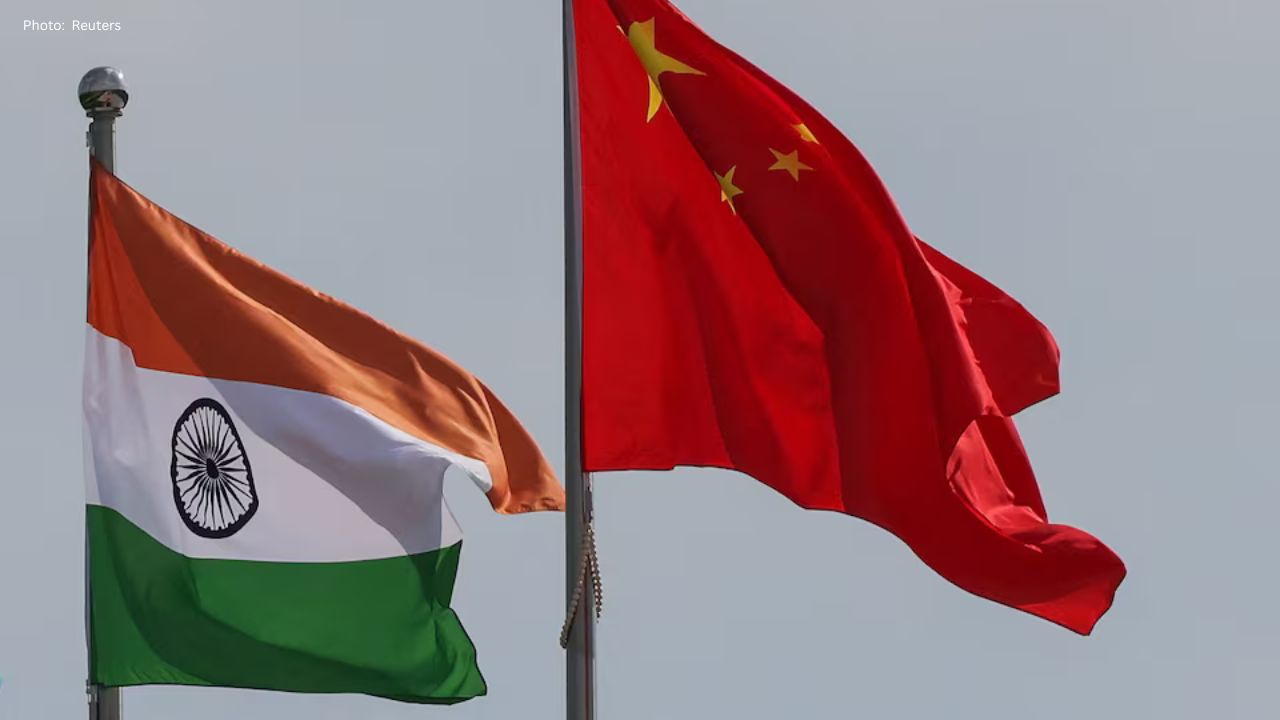
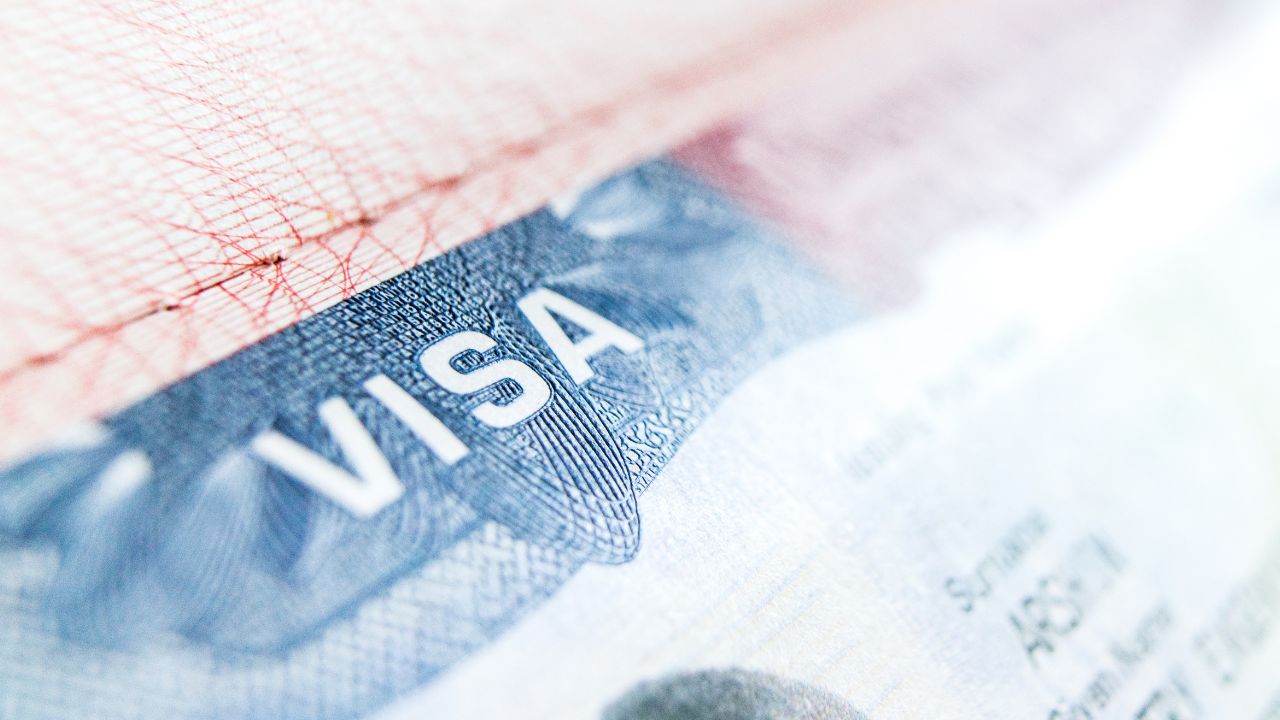
In a pivotal move to enhance its ties with China, India has eased visa restrictions for Chinese business professionals. Officials announced that the government has eliminated additional approval layers, enabling business visas to be processed in under a month. This initiative is aimed at strengthening economic partnerships and addressing delays that have hindered key industries.
This policy shift represents a notable change in India’s strategy, which was previously strained following a violent incident along their Himalayan border in 2020. After that, India tightened visa rules, making it increasingly challenging for Chinese experts and workers to enter the country. These restrictions adversely impacted various sectors, particularly electronics, which rely heavily on Chinese technology and skilled workforce.
According to officials, the visa issues have now been “entirely resolved.” The administration has removed the extra bureaucratic protocols introduced post-border clash, allowing business visas to be processed within four weeks. Though government ministries haven’t made any public statements, industry leaders have expressed optimism about this decision.
Previous delays led to significant economic repercussions. An Indian think tank revealed that the electronics sector faced nearly $15 billion in losses over four years due to difficulties in bringing in Chinese engineers and specialists. Major players like Xiaomi struggled to secure travel permissions, and even the solar industry faced workforce shortages.
This policy announcement follows Prime Minister Narendra Modi’s recent visit to China, his first in seven years, where he met with Chinese President Xi Jinping to discuss rebuilding trust. Shortly thereafter, direct flights between the two nations resumed, ending a suspension that lasted since 2020.
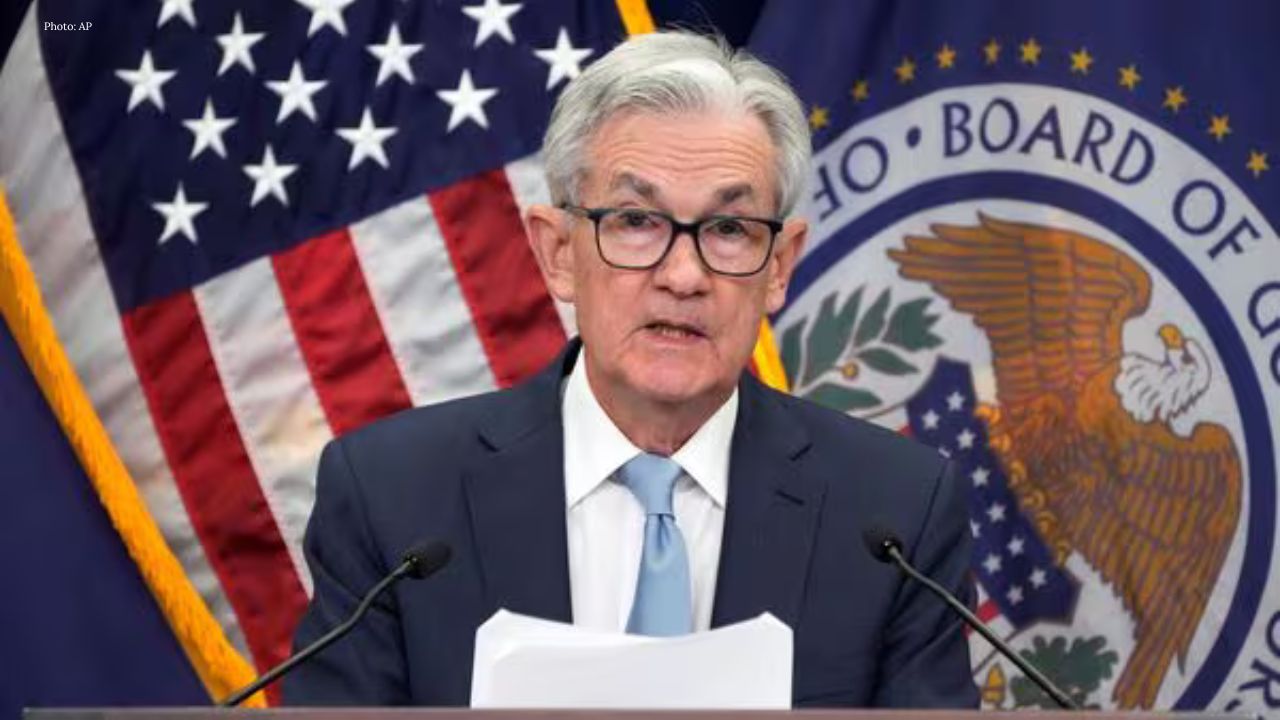
The relaxation of visa policies coincides with changing dynamics in global trade. The U.S. has recently levied a 50% tariff on Indian imports and additional penalties concerning India's Russian oil purchases, compelling India to reevaluate its diplomatic stance while enhancing communication with China and maintaining relations with Russia.
A high-ranking governmental committee led by former cabinet secretary Rajiv Gauba has been instrumental in advocating for these visa changes, as it assesses other restrictions possibly affecting foreign investment confidence.
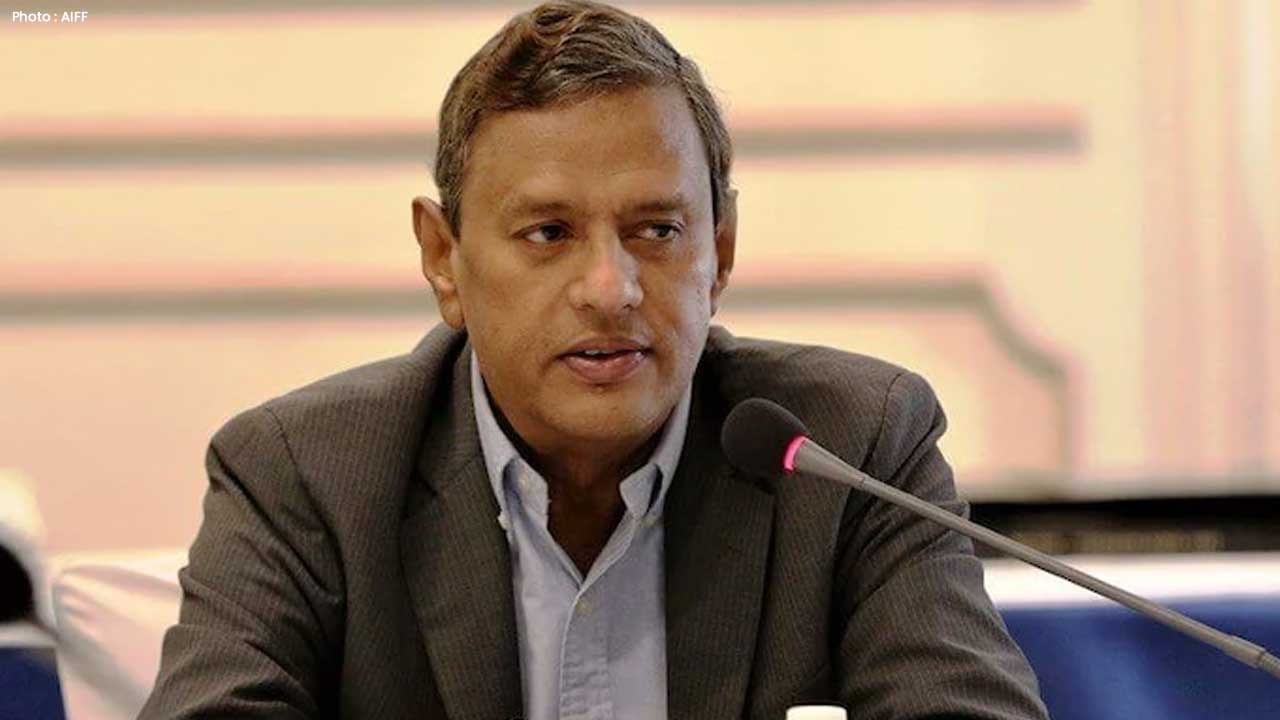
Industry stakeholders have responded positively. Pankaj Mohindroo, head of the Indian Cellular and Electronics Association, viewed this decision as a significant step toward cooperation, commending the government for addressing industry feedback. He emphasized the importance of this timing as India seeks to bolster its manufacturing capabilities across the board.
In addition to these changes, India is also reducing taxes and moderating labor regulations to attract increased foreign investment. Officials note the government is cautiously yet progressively loosening restrictions on China to create a favorable business environment while still prioritizing security.
Through these strategic developments, India aspires to regain lost production, draw more investors, and foster a more stable trading landscape. The relaxation of visa protocols indicates a careful yet significant improvement in India–China relations during a period of rapid global political and economic alterations.