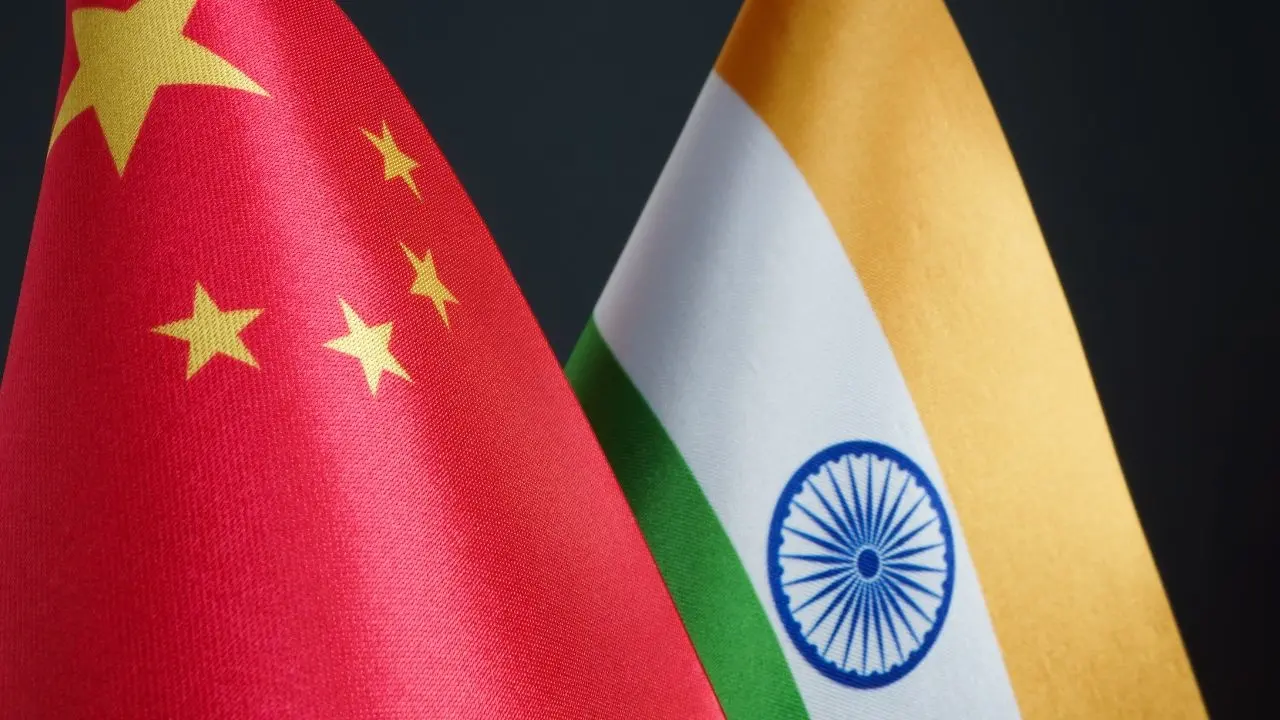
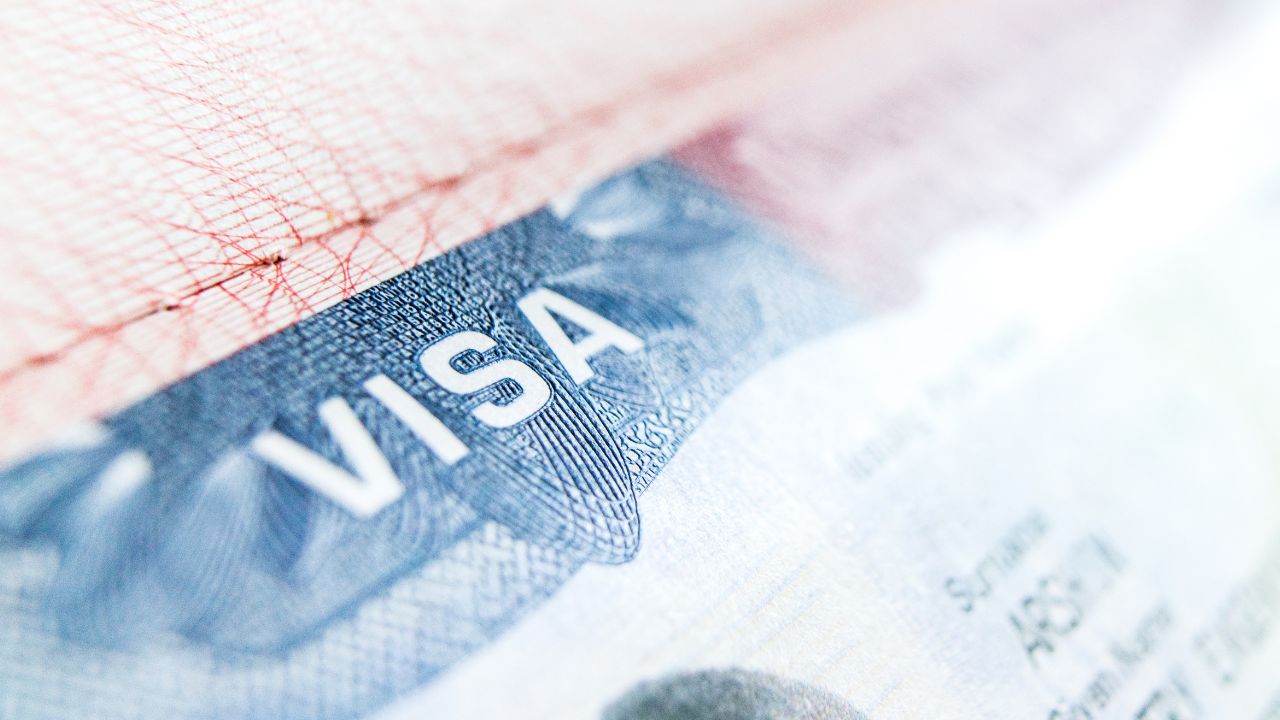
In a strategic move, India is expediting the issuance of business visas for Chinese professionals, aiming to fortify its economic connection with China and mitigate previous delays affecting vital sectors. Historically, business visitors from China encountered lengthy scrutiny and rigorous approvals from multiple governmental departments, causing significant approval delays.
With the administrative challenges now addressed, Indian authorities anticipate processing these visas within four weeks. This change is part of Prime Minister Narendra Modi's broader initiative to cautiously mend relations with China while managing impacts from increased tariffs by the United States.
The prior visa lags resulted in considerable economic setbacks for India. Estimates from the Observer Research Foundation suggest that about $15 billion in potential output was lost over four years due to difficulties faced by electronics firms in securing essential Chinese expertise for advanced machinery. Companies like Xiaomi have frequently encountered obstacles due to these bureaucratic delays, underscoring the necessity for change.
This recent policy adjustment follows Modi's visit to China—the first in seven years—where discussions with President Xi Jinping centered on improving bilateral ties. A notable development was the reinstatement of direct flights between the two nations shortly after this visit, which had been suspended since 2020.
Furthermore, this initiative aligns with India's recalibration in response to unforeseen US tariffs. The US has enforced a hefty 50 percent duty on Indian exports and imposed a 25 percent tax on India's purchases of Russian oil, leading New Delhi to reassess its diplomatic strategies. In light of this, India is focusing on reviving relations with China, enhancing cooperation with Russia, and continuing trade discussions with the US. The government has also introduced measures to ease consumption taxes and labor regulations to attract foreign investment.
While there has not been an official communication from the Indian government regarding the visa reforms, industry leaders have expressed optimism, affirming that the changes will facilitate the return of Chinese experts to crucial industries, minimize production disruptions, and bolster bilateral trade relations. This policy realignment signifies India’s commitment to driving economic recovery, ensuring regional stability, and enhancing trade connections with China while juggling international relations with other significant nations.
As this initiative rolls out, sectors that heavily depend on Chinese technology and skills are expected to see streamlined operations, thereby fortifying India-China business relations amid evolving global supply chain dynamics.