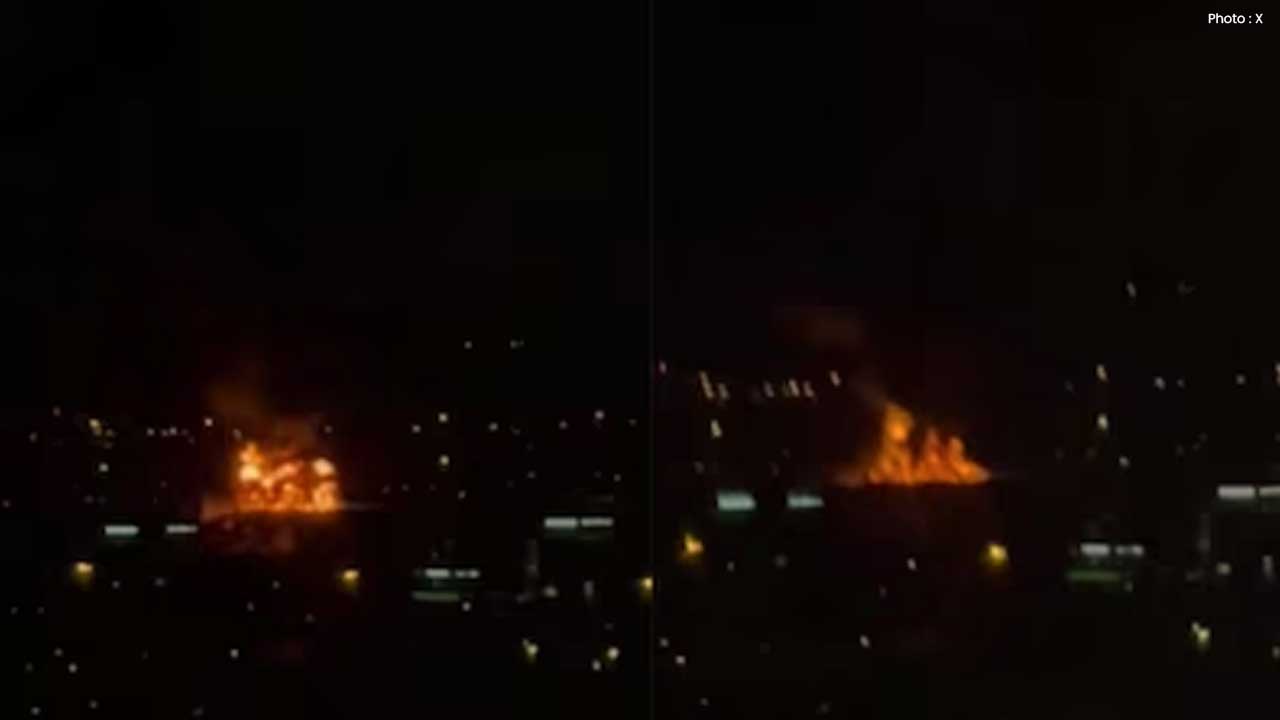
Hong Kong is undergoing an immense period of sorrow following one of its most devastating incidents in recent years. A catastrophic fire has engulfed seven apartment towers within the Wang Fuk Court complex, resulting in the loss of at least 146 lives and leaving numerous people still unaccounted for. This disaster is the worst fire the city has seen in over 75 years, profoundly impacting the local community.
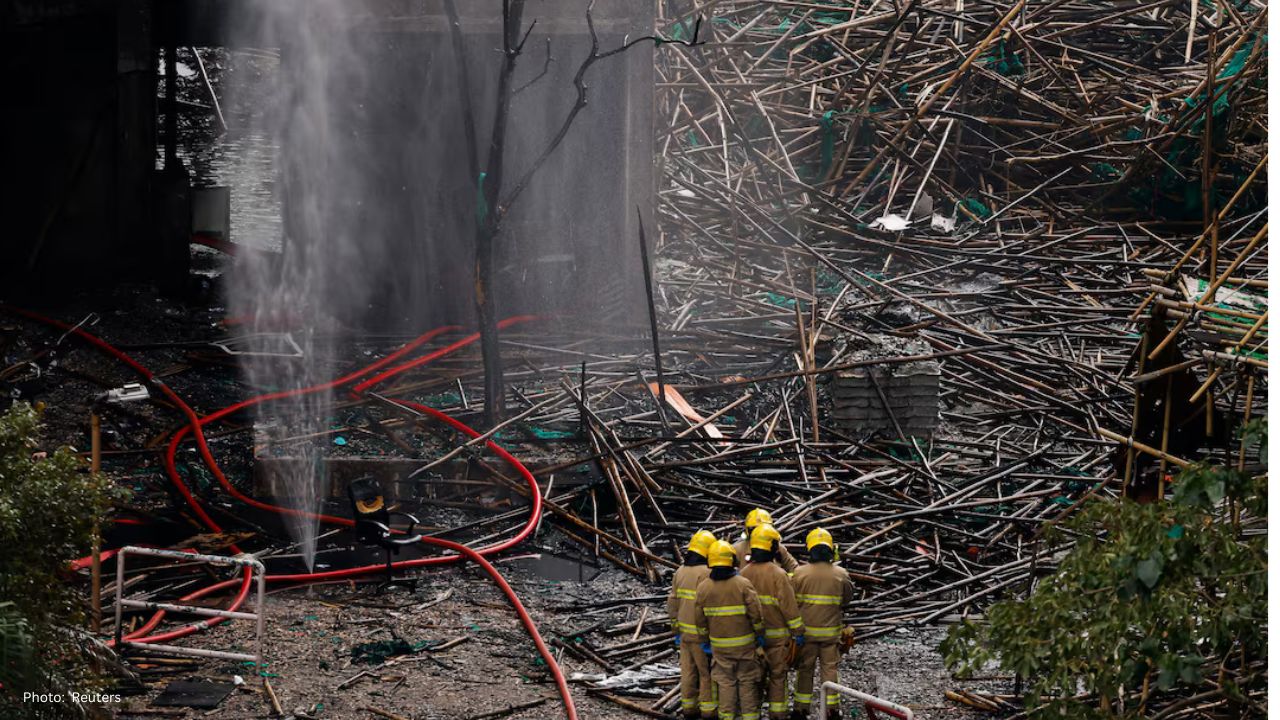
The inferno erupted last Wednesday, swiftly traversing structures undergoing renovation. Authorities have concluded searches in four of the seven affected towers, uncovering heartbreaking scenes where victims were found in stairwells and atop rooftops. These tragic discoveries reveal efforts by residents to evade the flames, only to find themselves ensnared in a chaotic situation.
On Sunday, a crowd of thousands gathered to remember those lost. Mourners stretched for over a kilometer alongside a nearby canal, offering flowers and prayers. Among the deceased are at least nine domestic workers from Indonesia and one from the Philippines, whose families are now seeking answers and support. Similar memorials are anticipated in Tokyo and London this week. Approximately 40 individuals remain missing.
As investigations unfold, preliminary findings indicate significant safety neglect. The towers were enveloped in green mesh, bamboo scaffolding, and foam insulation—materials that may have facilitated the rapid spread of the flames. Reports suggest fire alarms were malfunctioning as well. These revelations have stirred public outrage, with many questioning the dismissal of previous resident safety warnings.
Despite complaints last year regarding fire risks posed by the construction materials, officials deemed the dangers “relatively low.” Now, families are left to ponder the validity of such assurances and whether this catastrophe could have been averted.
Law enforcement has detained 11 individuals as part of an increasing inquiry into potential corruption and unsafe building practices. Among those arrested is 24-year-old Miles Kwan, who was taken into custody after signing a petition calling for an independent investigation. Two others have also been charged with “seditious intent,” as reported by local media. Authorities haven't elaborated further, stating that all actions are in accordance with the law.
This disaster emerges during a pivotal period in Hong Kong, with legislative elections looming this weekend. Political tensions have heightened, as China’s national security office has warned against any attempts to exploit the tragedy for protests reminiscent of those in 2019, asserting that disrupting the region amid disaster will incur severe repercussions.
In the face of loss and investigation, thousands of survivors are striving to rebuild their lives. Over 1,100 individuals have transitioned from evacuation centers to temporary housing, and 680 others have found refuge in youth hostels and hotels. Many escaped with only the clothes on their backs, leaving behind essential belongings, documents, and cherished memories.
To assist families in the recovery process, the Hong Kong government is providing emergency aid of HK$10,000 to each household. Officials are also extending help to replace lost identification documents, making a challenging transition somewhat easier.
The emotional and economic toll is staggering. Census data indicates more than 4,000 residents lived in the impacted buildings. Families now face an uncertain future as they seek to stabilize, rebuild, and contend with the trauma inflicted by this disaster.
As Hong Kong seeks answers, this tragedy serves as a stark reminder of the necessity for stringent building regulations, transparent inquiries, and accountable governance. Many advocate for enhanced measures to prevent such a horrific occurrence from repeating.
For the time being, the city remains shrouded in grief—families anxiously await news of the missing, communities extend support, and authorities persist in their painstaking search through the charred remains of what were once homes.