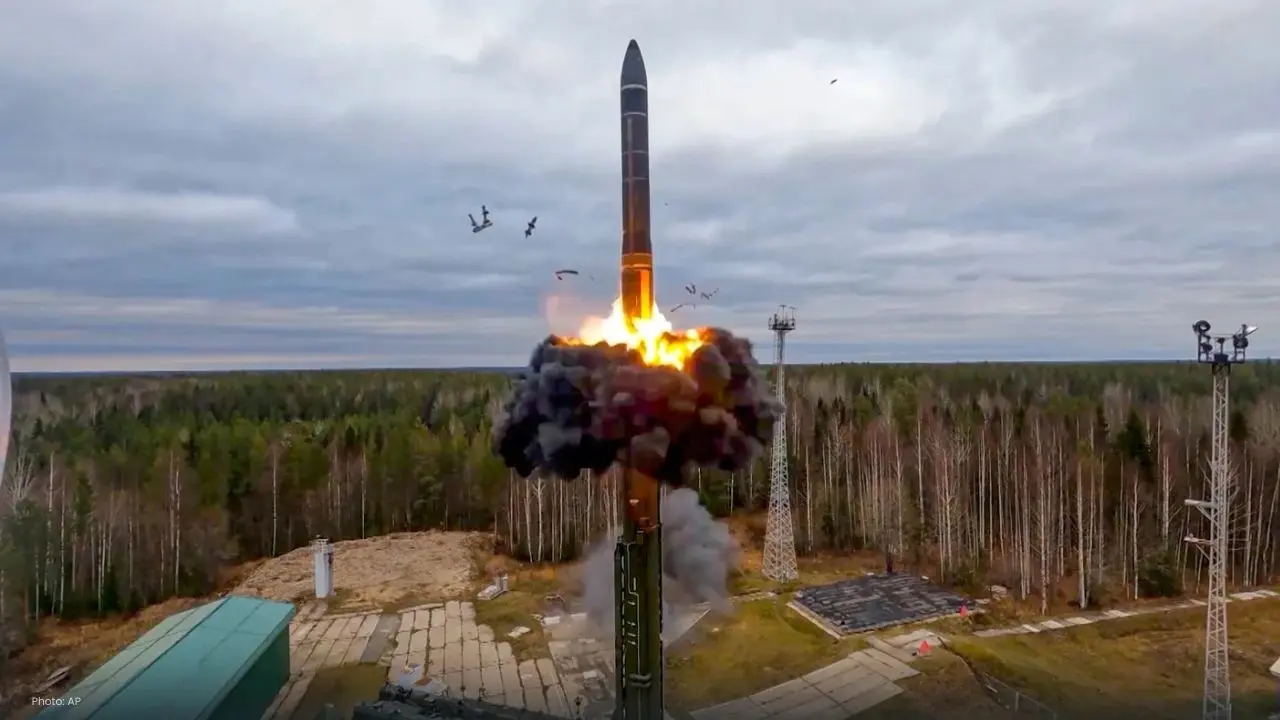
Global vigilance has increased as the United States and Russia indicate a possible return to nuclear testing, igniting fears of a renewed arms race. Recent declarations from both nations have alarmed the international community, underscoring the precarious status of global nonproliferation initiatives.
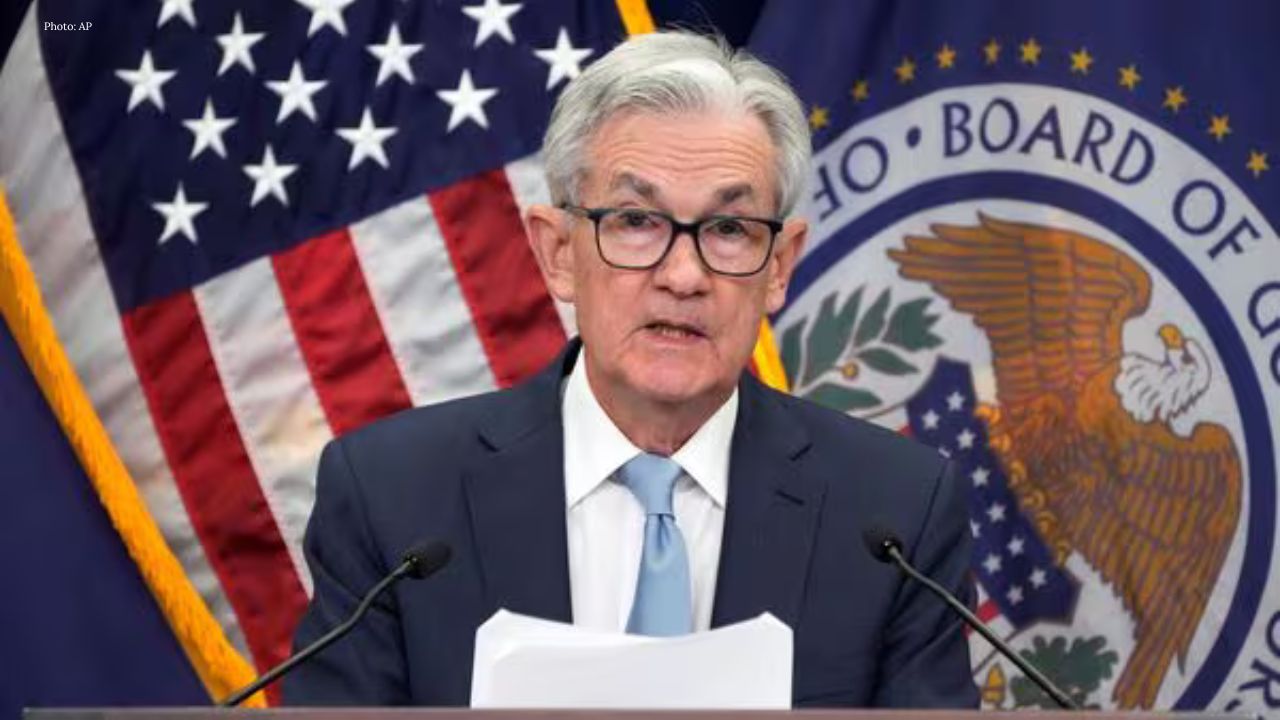
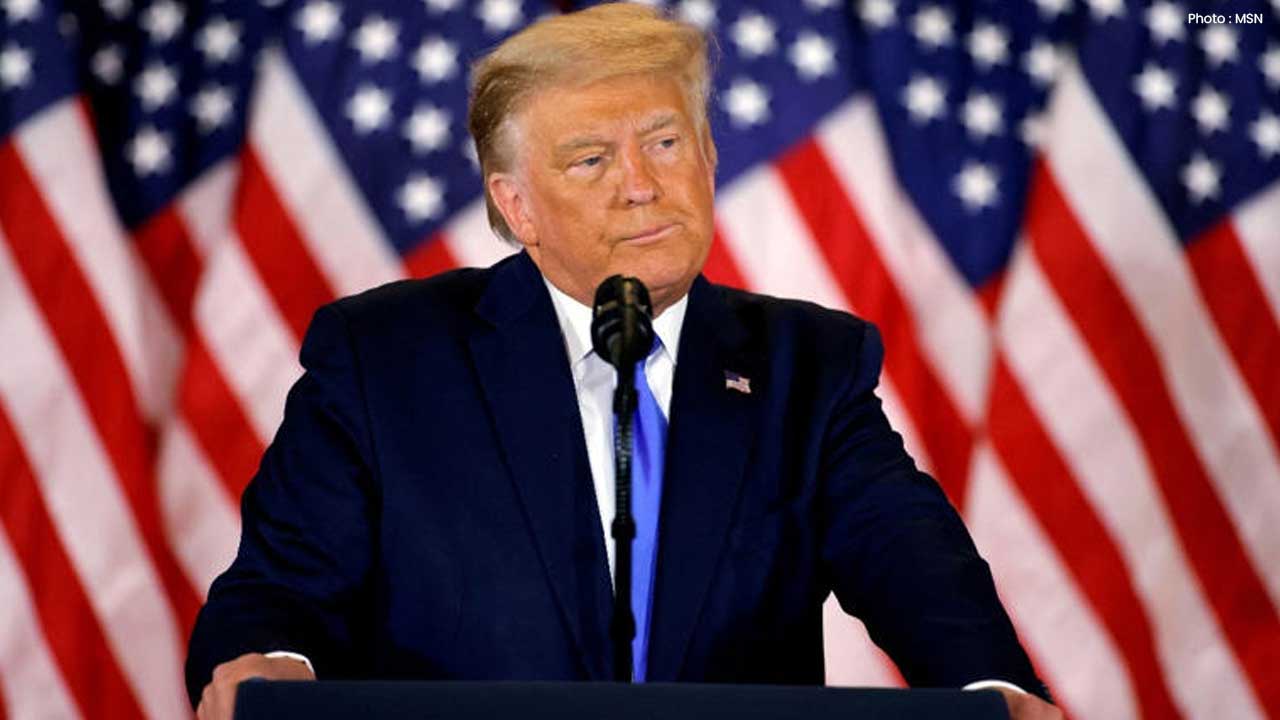
In a statement on his social media, U.S. President Donald Trump revealed instructions for the Department of War to commence nuclear tests parallel to those of other nations. This marks a potential shift towards U.S. testing after over thirty years. Russia's response was swift, with President Vladimir Putin cautioning that any nuclear test conducted by the U.S. or other states part of the Comprehensive Nuclear-Test-Ban Treaty (CTBT) would force Moscow to respond in kind.
The CTBT, a product of extensive negotiations and adopted by the U.N. General Assembly in 1996, prohibits nuclear explosions and establishes a recognized standard against such tests. While 187 nations have signed, and 178 have ratified the treaty, it remains inactive pending ratification by 44 pivotal states. Notably, China, Egypt, Iran, Israel, and the U.S. have signed but not ratified, while India, Pakistan, and North Korea have neither signed nor ratified. Russia retracted its ratification in 2023, citing global compliance discrepancies.
Moreover, the treaty led to the establishment of the Comprehensive Nuclear-Test-Ban Treaty Organization (CTBTO), which operates a global network of 307 monitoring stations. Employing seismic, hydroacoustic, infrasound, and radionuclide technologies, this organization detects nuclear tests and offers vital verification information. The network successfully tracked all of North Korea's nuclear tests from 2006 to 2017.
Experts warn that the resumption of nuclear testing could have extensive repercussions. Daryl Kimball of the Arms Control Association remarked, "It opens avenues for states with lesser nuclear experience to conduct comprehensive tests, enhancing their warhead designs." Nations like China and India may also feel compelled to explore testing avenues, as the majority of historical tests have been undertaken by the U.S. and Russia.
It's essential to note that not all planned tests are explosive. U.S. officials clarified that the forthcoming experiments will be non-detonative, focusing on subcritical tests, which employ fissile materials without initiating a self-sustaining chain reaction. This falls within the international monitoring frameworks, albeit hydronuclear tests with minimal yields might evade detection, leading to a potential "verification gap".
As tensions escalate, the CTBTO plays a pivotal role in the architecture for global nuclear supervision, ensuring that nations can detect any nuclear explosion and maintain trust in compliance, even amid intensifying ambitions surrounding atomic capabilities.