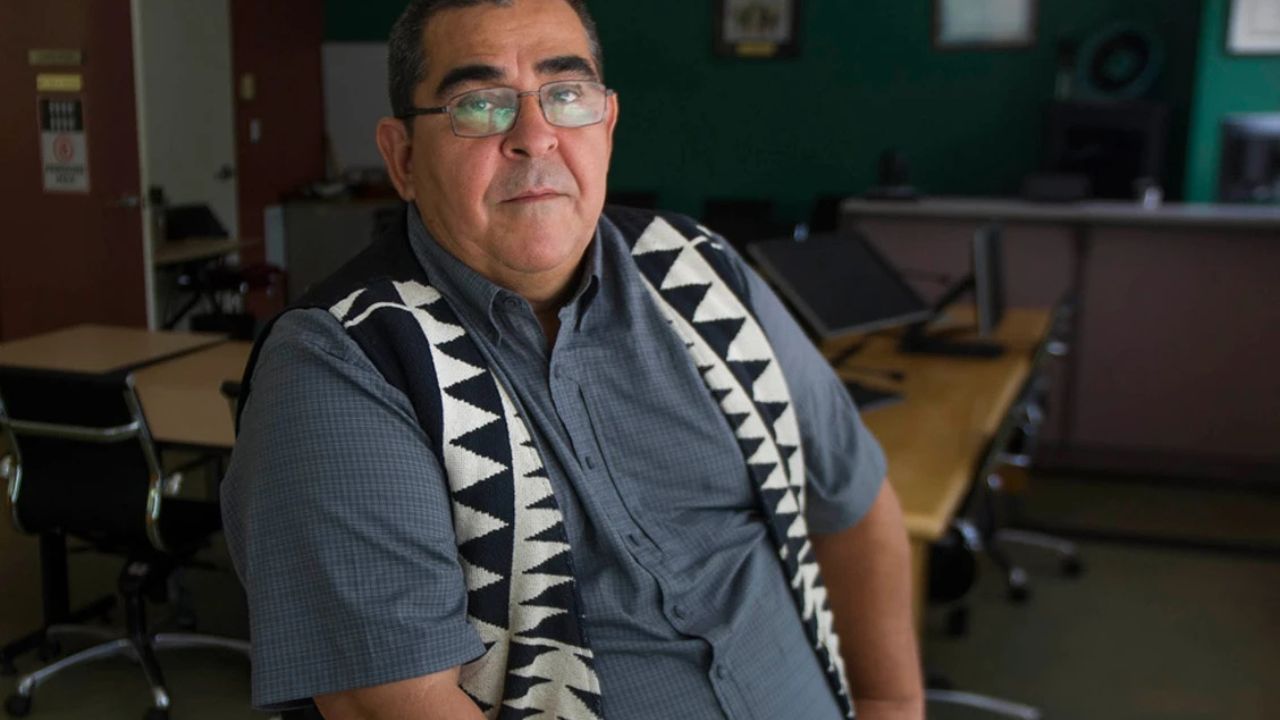
Carlos Portugal Gouvea, a visiting professor from Harvard Law School, was detained this week by U.S. immigration officials after he admitted to firing a pellet gun in proximity to a Massachusetts synagogue. The event took place on October 1, just ahead of the Jewish observance of Yom Kippur. Though local law enforcement deemed it not a hate crime, the Trump administration described the incident as an “anti-Semitic shooting incident,” prompting significant political discourse.
Gouvea, a Brazilian national and associate professor at the University of São Paulo Law School, was teaching at Harvard during the fall semester. Following his guilty plea, the U.S. State Department revoked his temporary visa, leading to his detention by Immigration and Customs Enforcement (ICE) on Wednesday. According to the Department of Homeland Security, he will leave the United States voluntarily. Harvard University chose to refrain from commenting on the matter.
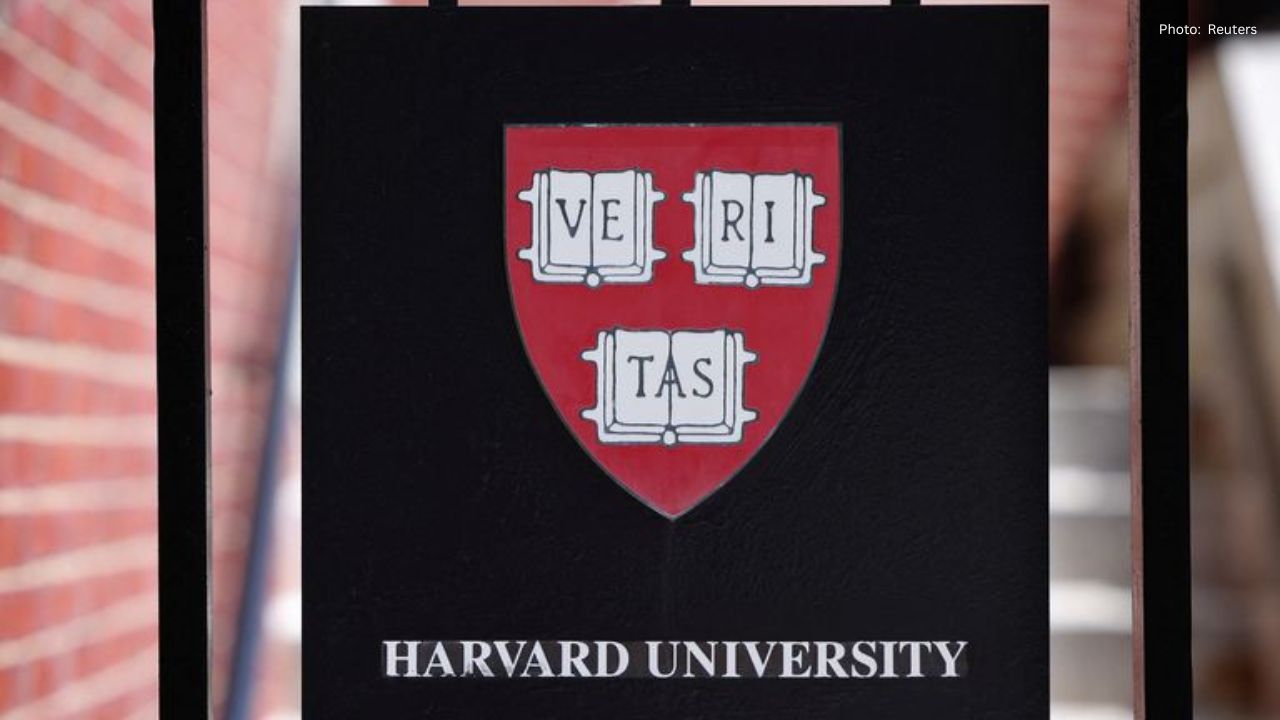
This arrest comes amid rising tensions between the Trump administration and Harvard, which has been accused of not adequately safeguarding Jewish students and combating antisemitism. Legal disputes have arisen from this situation, with a judge ruling last month that the administration's cancellation of over $2 billion in research grants to Harvard was unlawful. The university has responded firmly, arguing that many claims are politically charged.
The incident that led to Gouvea’s arrest unfolded in Brookline, Massachusetts, where police responded to reports of a person with a firearm near Temple Beth Zion. Gouvea informed authorities that he was using the pellet gun for pest control in the vicinity. Local officials found no indications that he was aware of his proximity to the synagogue or that the occurrence was linked to the holiday. The temple released a statement indicating they did not perceive Gouvea’s actions as motivated by antisemitism. Police corroborated this conclusion in their report.
In a plea agreement, Gouvea accepted guilt for unlawfully firing the pellet gun, resulting in six months of pretrial probation. Charges of disorderly conduct, vandalism, and disturbing the peace were dismissed. Local officials viewed the case as an instance of reckless behavior rather than targeted malice.
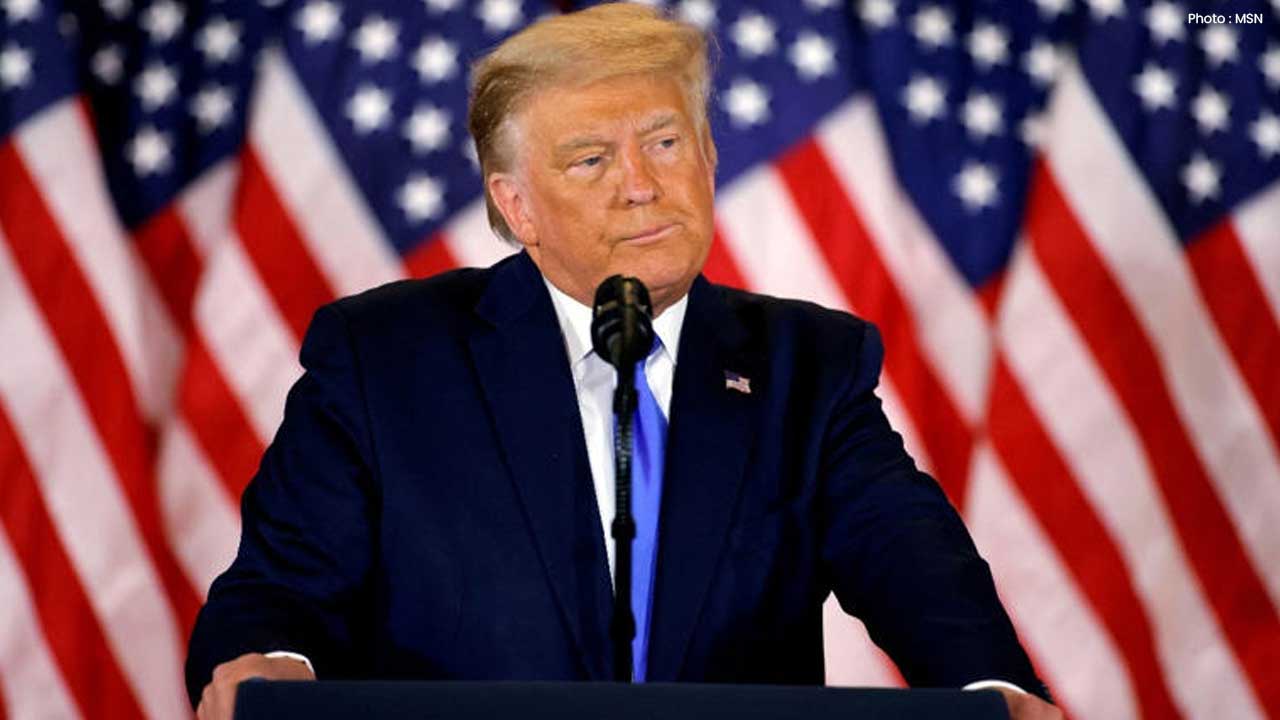
Conversely, the Trump administration adopted a more stringent stance, branding the incident as anti-Semitic, amplifying scrutiny on Harvard during an already delicate period. Critics contended that this incident was leveraged to shape narratives surrounding campus safety and treatment of Jewish students.
This situation illustrates how a minor local event can escalate into a significant political narrative when it crosses paths with national issues. The intersection of immigration, university politics, religious safety, and the battle against hate crimes was prominent here. While local authorities regarded the violation as minor, federal authorities perceived it as a major threat.
For the Jewish community, the incident's timing was particularly alarming. Yom Kippur, being the holiest day in Judaism, made any occurrence of gunfire near a synagogue unsettling, even if later deemed accidental. Leaders of the temple sought to reassure congregants, clarifying that police found no hateful intent behind Gouvea’s act.
The discussion surrounding this case also prompts inquiries into how to handle allegations of antisemitism. Many advocate for a firm response against threats to religious communities, while others emphasize the importance of accurate labeling, especially when a hate-crime motive lacks supporting evidence.
As Gouvea prepares to exit the United States, the surrounding controversy persists. The ongoing clash between the Trump administration and Harvard remains unresolved, with this incident adding another layer to their ongoing discord.
Currently, this case stands as a testament to how rapidly a misunderstanding can transform into a national issue, intertwining politics, immigration, and public safety.