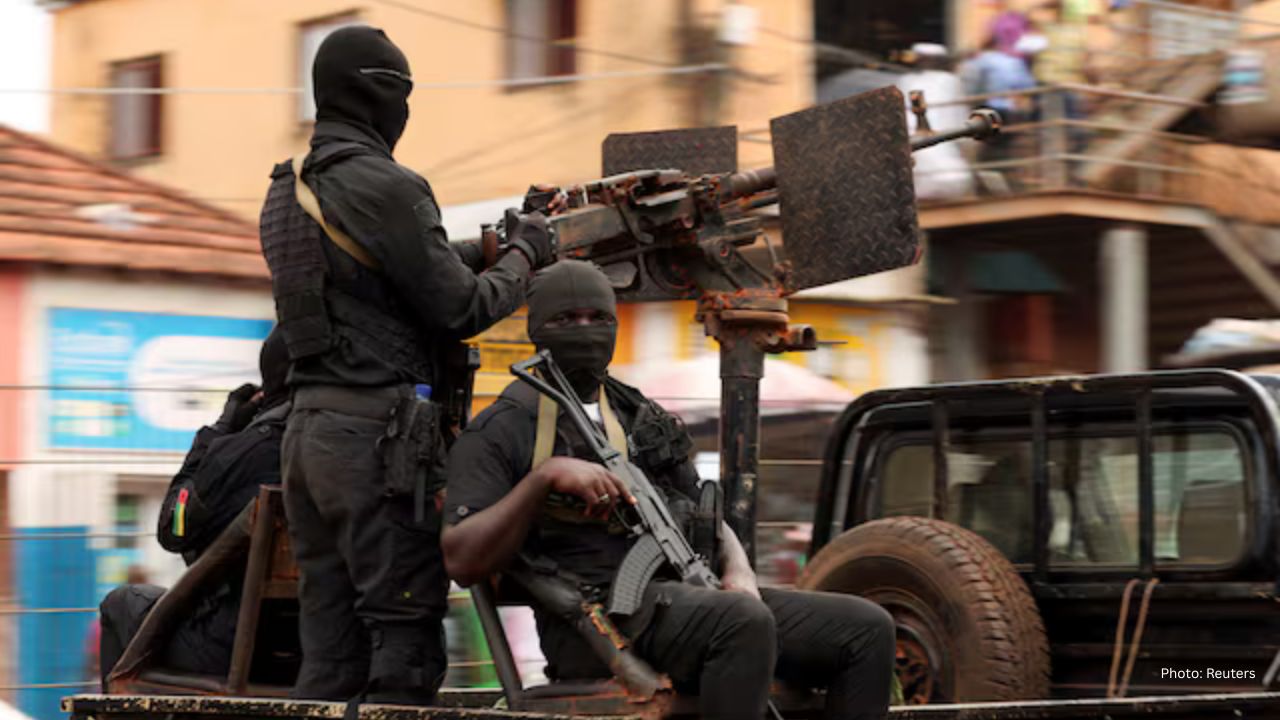
Guinea-Bissau, a small West African country, is once again plunged into political chaos. On November 26, 2025, military officers announced they had ousted President Umaro Sissoco Embalo, just a day before the presidential election results were slated for release. Under the banner of "The High Military Command for the Restoration of Order," this event marks the latest chapter in the nation's turbulent saga of coups and unrest.
Since gaining independence from Portugal in 1974, Guinea-Bissau has been marred by political turbulence characterized by coups, attempted takeovers, and assassinations that have all dramatically influenced its governance.
Historical Overview of Coups:
November 1980 – The First Coup: Prime Minister João Bernardo Vieira orchestrated a bloodless overthrow of President Luís Cabral, leading to the execution or detention of several military officers linked to later coup attempts.
June 1998 – Civil War Erupts: A failed military uprising ignited a civil war after Vieira dismissed Brigadier-General Ansumane Mane.
May 1999 – Vieira's Ouster: General Mane compelled Vieira to step down following a protracted year of conflict.
September 2003 – Kumba Yala Deposed: Amid military confrontations, President Yala was removed in a bloodless coup, leading to interim governance and Vieira's eventual return in 2005.
March 2009 – Vieira Assassinated: After resisting several coup attempts, Vieira was assassinated by soldiers reportedly loyal to General Batista Tagme Na Waie.
April 2012 – Military Power Grab: Soldiers seized control by detaining the interim president and election candidates prior to the announcement of election outcomes.
February 2022 – Attempted Coup: Armed attackers targeted the presidential palace, but President Embalo survived, with suspected drug trafficking links emerging.
December 2023 – Coup Attempt: Following parliamentary dissolution by Embalo, accusations of power consolidation arose amidst claims of instability.
October 2025 – Foiled Conspiracy: The military arrested officers believed to be plotting against constitutional order.
November 2025 – Recent Coup: The removal of President Embalo by military forces introduces new uncertainties regarding the nation’s future political framework.
The pattern of coups in Guinea-Bissau underscores significant issues: weak democratic institutions, military influence, and its status as a drug trafficking hub. Each military takeover creates barriers to effective governance, disrupts economic activities, and complicates daily life for citizens.
Analysts express concern regarding the November 2025 coup, given its occurrence during an electoral period. This turbulence could aggravate public skepticism towards future elections and hinder governance stabilization efforts.
Amidst global calls for a return to civilian leadership, Guinea-Bissau’s past reveals that military interventions have often dictated political realities, culminating in prolonged instability. Observers remain vigilant to see whether transitional leaders can restore peace and prepare for reliable elections shortly.
The citizens of Guinea-Bissau are left to navigate the ramifications of unrest, as curfews, business closures, and uncertainty encumber their lives. This recurrent cycle of coups emphasizes the urgent need for substantial institutional reforms to bolster democracy and deter future disruptions.