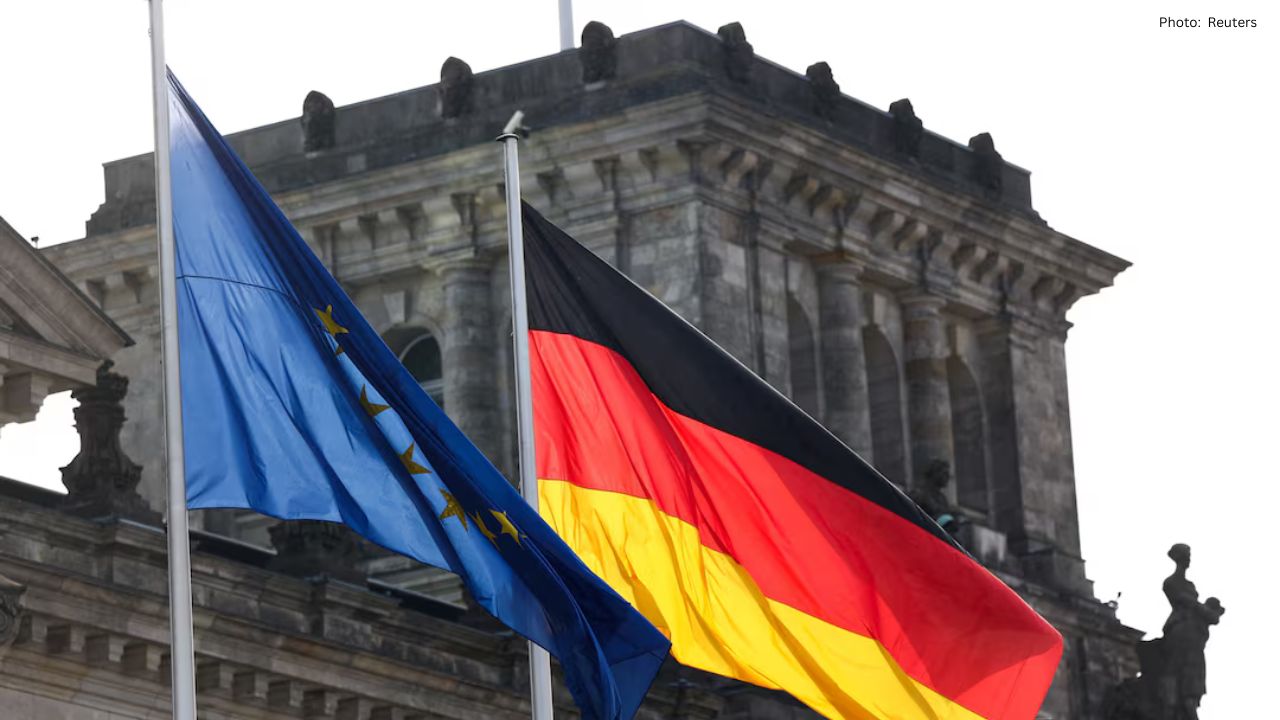
European markets experienced robust growth in early 2025; however, the momentum has diminished as investors seek new catalysts for economic uplift. A significant part of the anticipated market revival in 2026 hinges on Germany, the largest economy in the European Union, and the effectiveness of its proposed fiscal initiatives.
This year, Germany amended its fiscal guidelines to facilitate increased borrowing aimed at bolstering infrastructure and defense spending. While this adjustment was viewed as a potential booster for Europe’s economic landscape and stock performance, a considerable portion of the allocated funds has targeted standard social programs instead of the large-scale projects that could instigate sustainable growth.
Investor sentiment remains reserved, particularly as European stocks lagged behind those in the U.S. Following an early rally in 2025, European equities have stagnated, and the euro has retreated from its peak attained in September. To date, $86 billion has flowed into European stocks this year, but the infusion slowed to $23 billion over the past six months. Experts anticipate ongoing underperformance of European markets compared to their American counterparts, largely influenced by advancements in AI and tech sectors in the U.S.
Germany’s capacity to realize its stimulus initiatives is vital for restoring confidence in the market. Despite substantial overall spending, analysts suggest a greater emphasis on infrastructure endeavors that produce durable benefits. Historically, Germany has faced challenges in executing major investments, resulting in three German economic institutes recently downgrading their growth projections for 2026 due to anticipated minimal impacts from spending and slow reforms.
Yet, prospects for European stocks remain robust at current valuations. German equities are trading at almost a 35% discount relative to U.S. counterparts, presenting opportunities for gains if the stimulus initiatives prove successful. Some investors are gradually increasing their stakes in European equities, anticipating an upcoming recovery.
Additionally, a peace treaty or ceasefire in Ukraine could enhance market optimism. Since the onset of Russia's invasion in 2022, European equity funds have witnessed a 14% drop in assets under management. Recent influxes have only begun to recoup a small fraction of those losses. A peace agreement could streamline benefits for sectors like energy and pave the way for Ukraine's reconstruction, projected to exceed $500 billion over the next decade.
The euro's strength will likewise influence Europe's investment allure. The currency experienced a 13% surge against the U.S. dollar in 2025, its highest annual increment since 2017, but has stabilized since June. The trajectory of the euro will largely depend on Germany’s stimulus path, developments in Ukraine, and the policies of the European Central Bank, although U.S. dollar trends remain a significant factor. Analysts at Goldman Sachs predict further euro appreciation if the U.S. economy decelerates, while UBS foresees potential depreciation if the dollar continues to perform strongly.
Ultimately, Europe's potential for a significant turnaround hinges on Germany's success in executing its stimulus plans. The combination of spending, infrastructure investment, regional stability, and favorable currency movements will determine whether European markets can earn back investor trust and contend with U.S. markets in 2026.