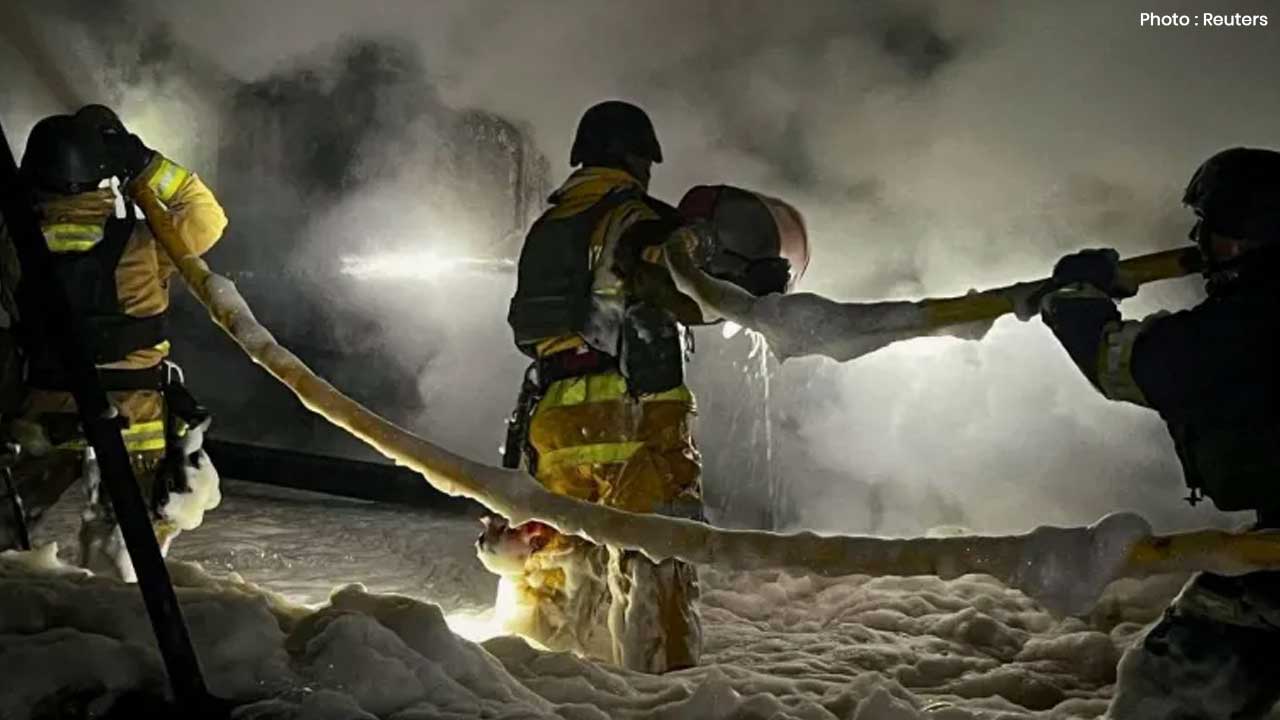
The Group of Seven (G7) energy ministers have jointly condemned Russia’s ongoing attacks on Ukraine’s energy infrastructure, calling the strikes “devastating” and equating them to “nuclear terrorism.” This comes as Ukraine reels from a recent surge of Russian drone and missile strikes that have crippled critical power facilities, leaving millions vulnerable amid the approaching winter.
Representing Canada, France, Germany, Italy, Japan, the United Kingdom, and the United States, the G7 ministers released a statement on Friday highlighting the severe social, environmental, and economic consequences these attacks have inflicted on the Ukrainian people. “Russia’s recent attacks on Ukraine’s natural gas infrastructure have created risks to communities and human lives, weakening civilian infrastructure and the energy security of the Ukrainian people,” the statement read.
The attacks have sparked international alarm as Ukraine’s energy system, already strained by months of conflict, faces deliberate sabotage timed to inflict maximum hardship during winter months. Ukrainian Prime Minister Yulia Svyrydenko condemned Moscow’s strategy, saying, “Russia continues its systematic energy terror – striking at the lives, dignity, and warmth of Ukrainians on the eve of winter.” She urged global powers to respond with more air defense systems, stricter sanctions, and increased pressure on Russia.
Kyiv’s Ministry of Foreign Affairs further escalated the rhetoric, denouncing Russia’s targeting of substations that supply external power to nuclear plants. The ministry called these strikes a “grave violation of international humanitarian law” and warned that such attacks bear “the hallmarks of nuclear terrorism.”
The United Nations’ International Atomic Energy Agency (IAEA) also expressed deep concern. Director General Rafael Grossi reported that three Ukrainian nuclear plants were forced to reduce output following recent strikes and emphasized the ongoing “very real and ever-present” dangers to nuclear safety. He called for “maximum military restraint in the vicinity of nuclear facilities” to prevent potential disasters.
The strategic Zaporizhzhia nuclear power plant, Europe’s largest with six reactors, remains a flashpoint. The plant has been under Russian control since early 2022 and was without external electricity for a month before a recent repair restored power. It still produces no electricity but requires external power to cool its nuclear fuel safely.
Moscow denies targeting civilians, claiming its strikes are retaliatory responses to Ukrainian attacks on Russian infrastructure. Both sides regularly accuse each other of endangering safety near Ukraine’s nuclear sites.
The G7’s statement reaffirmed its support for Ukraine’s energy sector, pledging ongoing financial aid, risk insurance, and efforts to attract private investment for long-term reconstruction.
As the conflict drags on, the deliberate attacks on Ukraine’s energy infrastructure remain a critical threat, deepening humanitarian crises and raising global fears of nuclear hazards in a war zone.