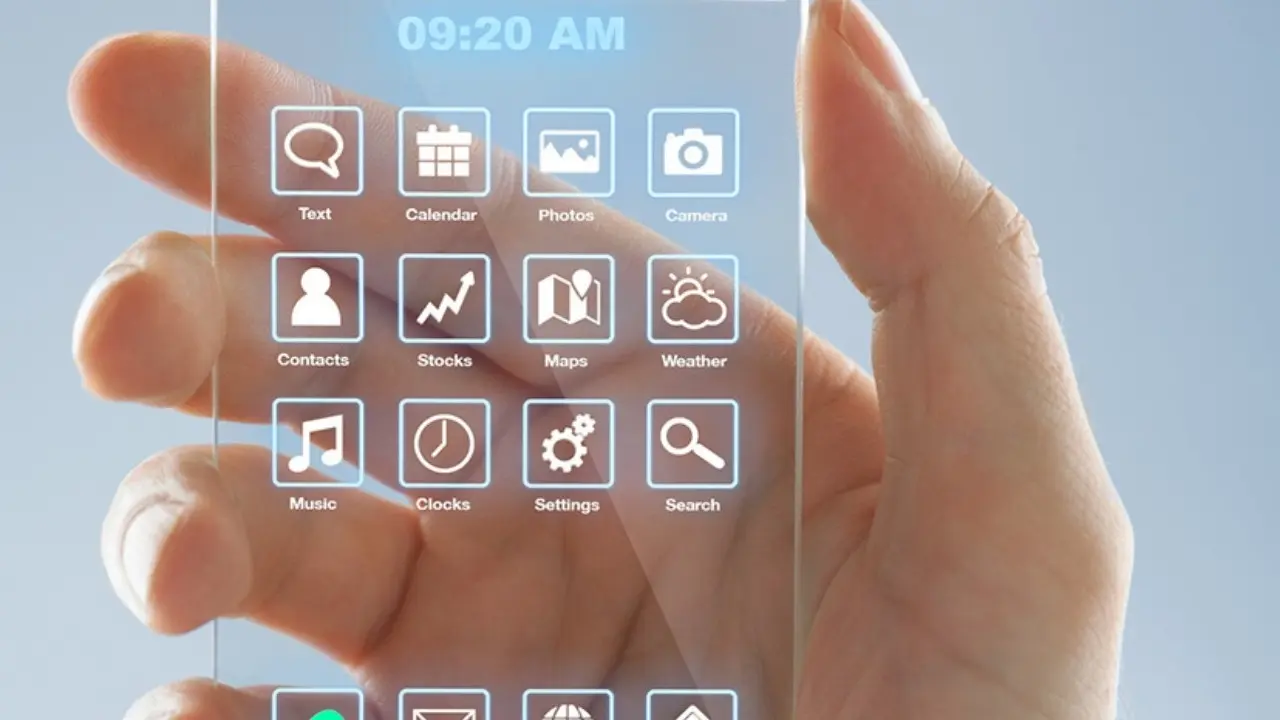
Are Smartphones Approaching Their Limits?
Smartphones have been pivotal in personal technology, functioning as our cameras, communication tools, and more. However, as technology progresses, the core smartphone experience remains static despite enhancements like improved cameras and faster processors.
Many people find themselves frequently unlocking their phones, yet issues like mental fatigue, privacy worries, and physical discomfort are motivating a search for alternatives. Innovative technologies are emerging that provide ways to engage with digital content without the need for a traditional screen.
The next ten years won't likely yield a single gadget to completely replace smartphones. Instead, we may see a gradual transition where emerging technologies assume roles traditionally held by smartphones, relegating them to supportive devices.
Why Smartphones Are Prone to Change
Smartphones became important tools by combining numerous functionalities. However, this convergence is now seen as a limitation, with consumers seeking technology that integrates naturally into their lives without being overly distracting.
Touchscreen devices require visual focus, while notifications can disrupt attention. As the world gravitates toward automation and smoother interactions, these limitations are becoming increasingly obvious.
Replacement doesn't imply extinction; it signals transformation. Just like laptops didn't vanish with the arrival of smartphones, we may find smartphones still in existence, albeit in a diminished capacity.
Augmented Reality Glasses: The Next Frontier
Augmented reality (AR) eyewear is often touted as a prime candidate to succeed smartphones. Such devices aim to present digital information on top of the real world, eliminating the need to constantly look down at a screen.
With AR glasses, navigation directions could be visible directly in users' line of sight, while messages could be displayed subtly. Routine tasks like calls, translations, and reminders might all happen without requiring a smartphone.
Although initial designs faced challenges like bulkiness and privacy issues, ongoing advancements in AI, miniaturization, and materials are likely to lead AR glasses becoming feasible and socially acceptable within the next decade.
Rather than merely replacing smartphones, AR glasses may transform them into secondary processors, creating a new primary interface model.
Wearable AI That Eschews Traditional Forms
Emerging wearable AI companions are also on the rise—devices that communicate through voice and context awareness instead of traditional screens.
These may manifest as pendants, clips, or even rings that interact and respond in real-time. Users could simply ask questions or give commands, receiving intelligent, proactive suggestions rather than needing to navigate apps.
Imagine being reminded to leave early due to traffic conditions or being presented with relevant answers as required. This signifies a shift from an "app-driven" model to one based on user intent and context.
Voice Technology’s Growing Importance
Voice recognition has advanced significantly, and it's expected to become the primary method for many future digital interactions. People are already engaged with smart speakers and voice assistants, but the next wave of systems will be more aware and capable of handling intricate tasks.
This evolution could lessen the reliance on visual displays, allowing users to hear relevant updates instead of scanning screens. When combined with emerging technologies, voice-centric systems may facilitate a decrease in screen usage.
However, voice technology alone won’t replace screens entirely; instead, it will likely be one of multiple integrated interfaces.
The Promise of Brain-Computer Interfaces
Brain-computer interfaces (BCIs) represent a futuristic avenue, potentially decoding neural signals into digital commands.
They're still in infancy for consumer use, but exist for medical applications. If BCIs reach consumer markets, they could redefine interactions with technology entirely.
Exploring Spatial and Ambient Computing
Spatial computing merges the real with the digital, possibly leading to environments where traditional screens are obsolete, and interactions occur in physical space.
Similarly, ambient computing envisions a world where technology operates seamlessly in the background, automating responses without demanding active engagement from users, shifting the focus away from smartphones.
The Essential Role of AI
Artificial intelligence serves as the backbone for these potential replacements. Future devices must anticipate needs instead of simply reacting, reducing the necessity for constant screen checks.
Looking Back: The Smartphone's Future
While no solitary device is expected to replace smartphones completely, they may evolve into a network of specialized tools: glasses for information, wearables for health, and voice systems for control.
Conclusion: Adapting to New Norms
The smartphone era isn't coming to an abrupt stop, but gradual changes are already in motion.
As technology becomes more intuitive and integrated, the preeminence of smartphones will wane, allowing an ecosystem of varied interactions to take its place.
The next phase isn't merely about new gadgets, but creating a frictionless human-tech interface.
Disclaimer: This outlook relies on current tech trends and research; actual advancements may differ due to regulatory and societal factors.