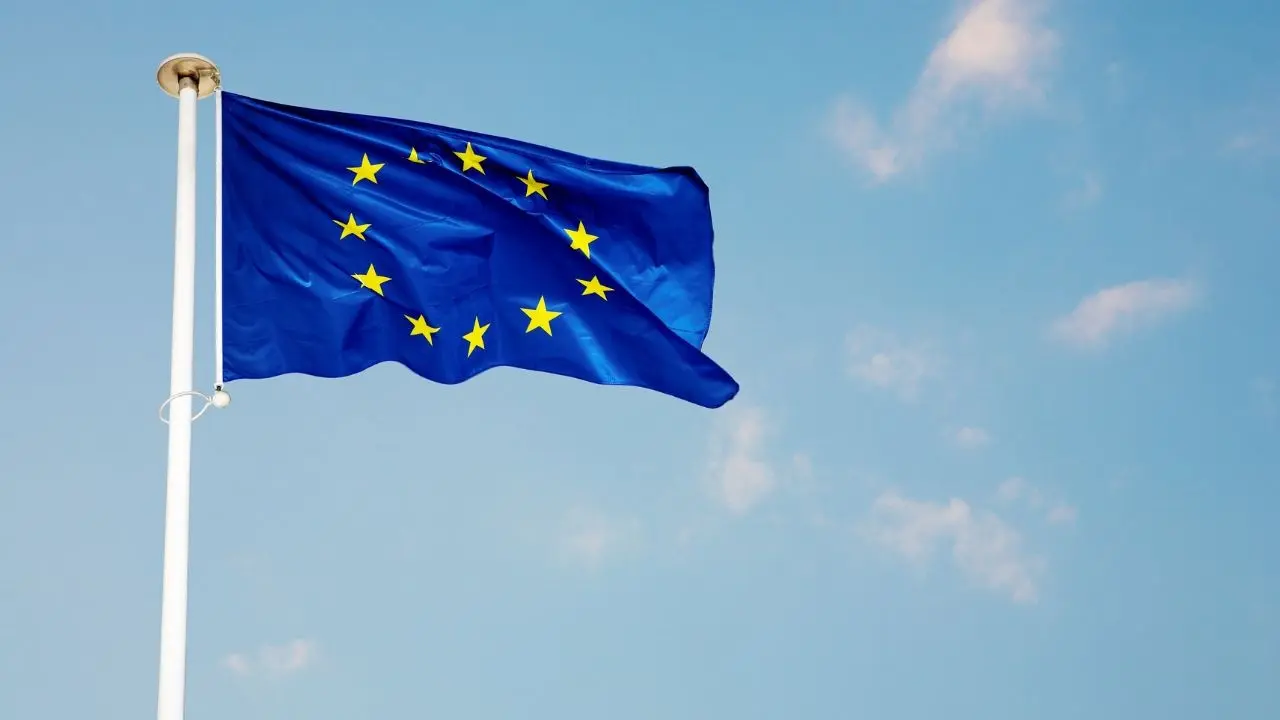
Lawmakers from the European Union have made a pivotal decision to implement a ban on all imports of Russian gas by autumn 2027, aiming to eliminate Europe's dependence on Russian energy sources. This agreement was reached after extended negotiations involving EU member states and the European Parliament, and it reflects a compromise as initial demands called for a more immediate cessation. This landmark decision follows Russia's invasion of Ukraine, highlighting the EU's commitment to enhance energy independence and security in light of geopolitical tensions.
Ursula von der Leyen, President of the European Commission, hailed the agreement as marking the beginning of a new chapter, underscoring the shift toward complete energy autonomy from Russia. EU Energy Commissioner Dan Jorgensen reiterated this message, declaring on social media that the EU has successfully “turned off the tap on Russian gas forever,” emphasizing solidarity with Ukraine while prioritizing energy security.
In response, the Kremlin has criticized this initiative, warning that phasing out Russian gas may exacerbate economic difficulties within the EU due to increased reliance on more expensive energy alternatives. According to the agreement, long-term pipeline contracts will be banned starting September 30, 2027, or by November 1, 2027, contingent on member states' gas storage levels. For liquefied natural gas (LNG), long-term contracts will be restricted from January 1, 2027, with plans to eliminate short-term contracts earlier, beginning April 25, 2026, for LNG and June 17, 2026, for pipeline gas.
Additionally, the EU's accord allows companies to invoke “force majeure” to legally break existing contracts, aligning with the bloc's ambition to sever ties with Russian energy. The European Commission will also be responsible for drafting a plan to phase out Russian oil imports to Hungary and Slovakia by the end of 2027, although these nations had previously received exemptions due to their unique circumstances.
Since the onset of the Ukrainian invasion nearly four years ago, the EU has been proactively working to diminish its reliance on Russian energy. The proportion of Russian gas in EU imports has plummeted from 45% in 2021 down to 19% in 2024. Although pipeline supplies have been drastically reduced, the EU increasingly depends on LNG delivered via maritime routes integrated into its energy framework. Nonetheless, Russia still constitutes a substantial supplier, providing approximately 20% of EU LNG imports in 2024, equivalent to around 20 billion cubic meters out of an anticipated total of 100 billion cubic meters.
By adopting a ban on Russian gas, the EU is taking a crucial action aimed at diminishing Moscow's access to valuable energy funds and reaffirming the bloc's energy independence, showcasing a firm geopolitical stance amid ongoing regional tensions.
This article maintains a straightforward journalistic style, is optimized for SEO, and includes essential keywords such as EU energy independence, Russian gas ban, EU gas imports, and Russia energy dependency, which are likely to perform well in search engine results.