The escalating tensions between China and Japan have refocused global attention on the delicate peace in East Asia. Recent comments from China’s Foreign Minister Wang Yi, alongside Japan’s strong rebuttals, illustrate the rapid-fire cycle of rhetoric and military maneuvers that could put the region at risk.
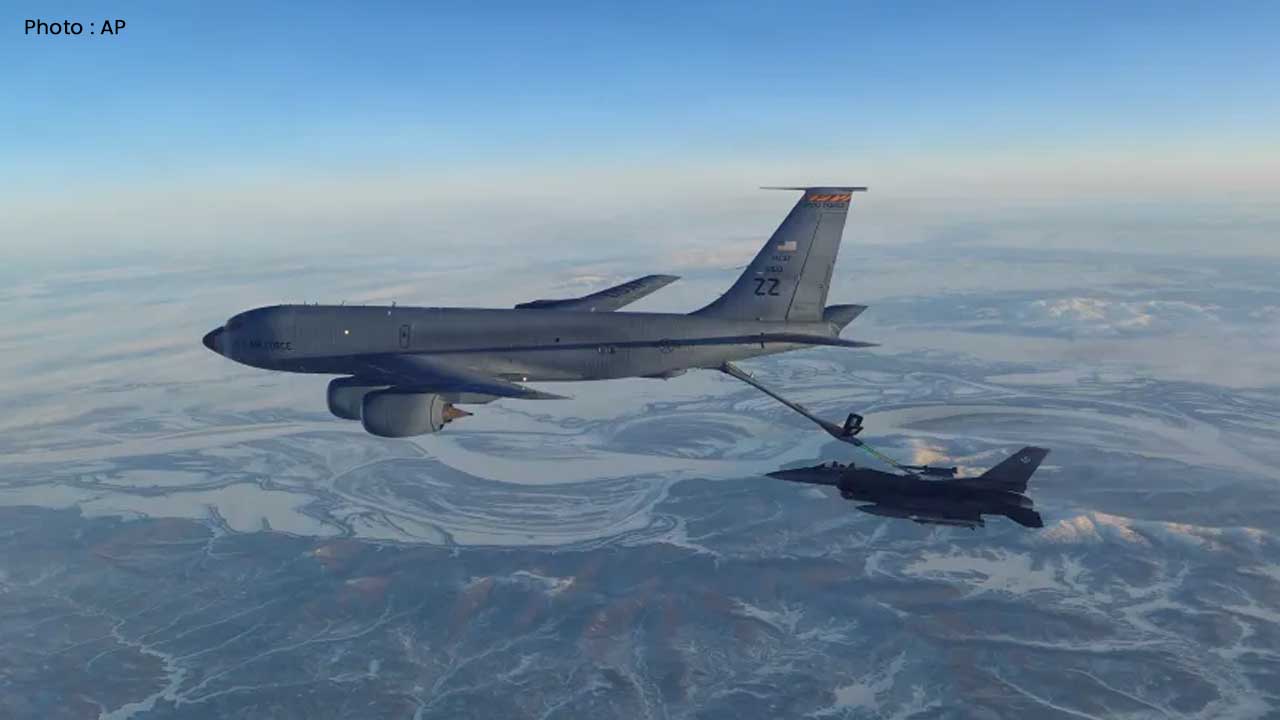
The conflict ignited when Japan accused Chinese fighter jets of targeting radar towards its military planes, labeling the move as unsafe. In retaliation, China asserted that Japanese aircraft were encroaching upon its naval drills, risking disruption of their military exercises.
Though these exchanges may resemble common political disputes, they bear substantial risks. The proximity of military aircraft and vessels from such substantial nations heightens the chance of unintended confrontations, where even minor errors could escalate dramatically.
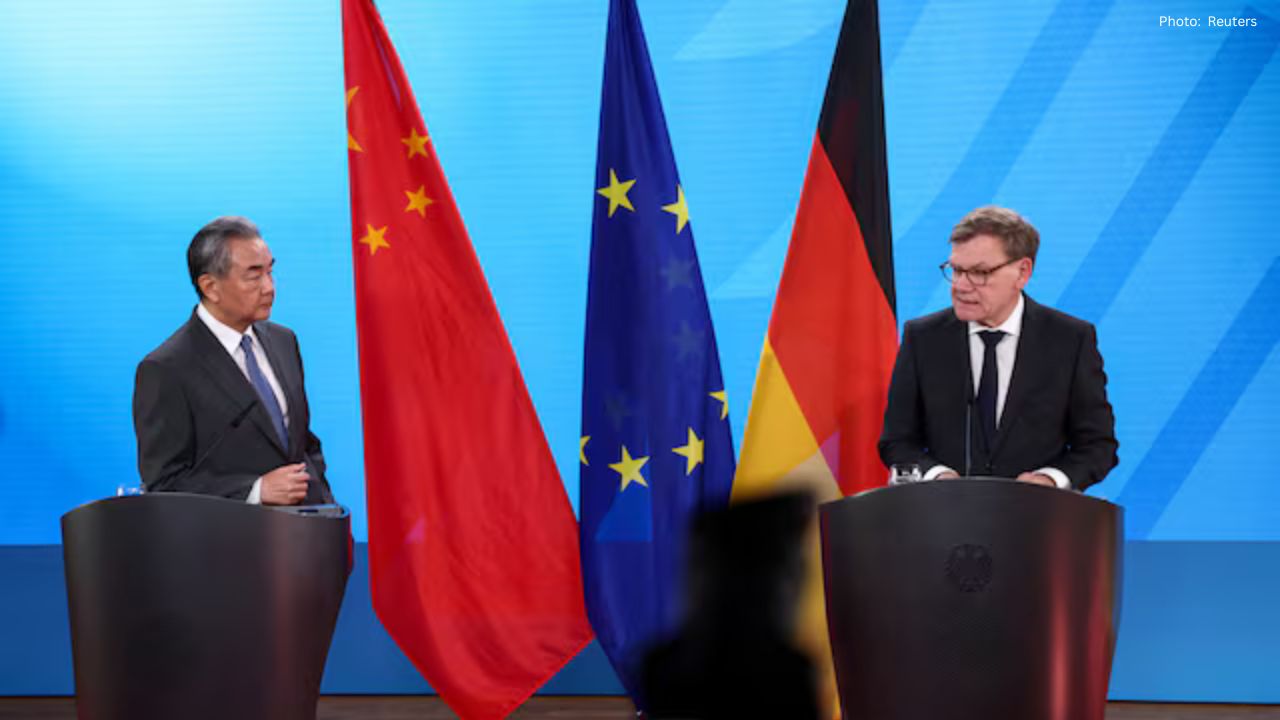
Wang Yi indicated to his German counterpart that Japan posed a military threat to China and criticized Japan’s stance on Taiwan, reminding all of Japan’s historical wartime actions. He emphasized that with the 80th anniversary of the war’s end approaching, Japan ought to demonstrate greater caution and accountability.
China’s claim over Taiwan is staunch, viewing it as a part of its territory despite Taiwan’s self-governance, elections, and military. Taiwan’s leadership firmly asserts that the island's future should be dictated solely by its residents.
This conflict transcends mere historical disputes; it delves into questions of power and influence, compounded by anxieties about the future. Japan has grown increasingly wary of China's military advancements, with the Prime Minister recently stating that Japan might react if any threats to Taiwan also endanger Japanese safety, provoking further ire from China.
From an editorial perspective, the situation is highly concerning. East Asia is home to powerful economies and vital shipping lanes. Stability in this region is crucial not only for China and Japan but globally, as any conflict could disrupt trade, travel, and security worldwide.
It's essential to understand that military power should not be wielded as a means of political expression. Targeting aircraft with radar or getting too close to naval vessels is perilous, fostering fear and suspicion that hampers diplomatic efforts.
Dialogue, respect, and patience should always take precedence over threats and military intimidation. Historical patterns reveal that wars often commence from seemingly small incidents that are dismissed.
Germany’s role as an observant partner also highlights the growing international scrutiny of this situation. Global powers recognize that events in East Asia impact everyone, necessitating calm and peaceful resolutions now more than ever.
Ultimately, war brings no victory. Soldiers, families, and economies all face suffering. While technological advancements may have evolved, the toll of conflict remains unchanged. Leaders must deliberate seriously before allowing tensions to escalate further.
The current scenario involving China and Japan serves as a stark reminder that heated rhetoric and risky military actions can lead to catastrophic consequences. The global community needs wisdom, patience, and peace over pride and power struggles.
Honest dialogue and adherence to international norms are essential to safeguard the region's future. Peace is strength; it is the most viable path forward.