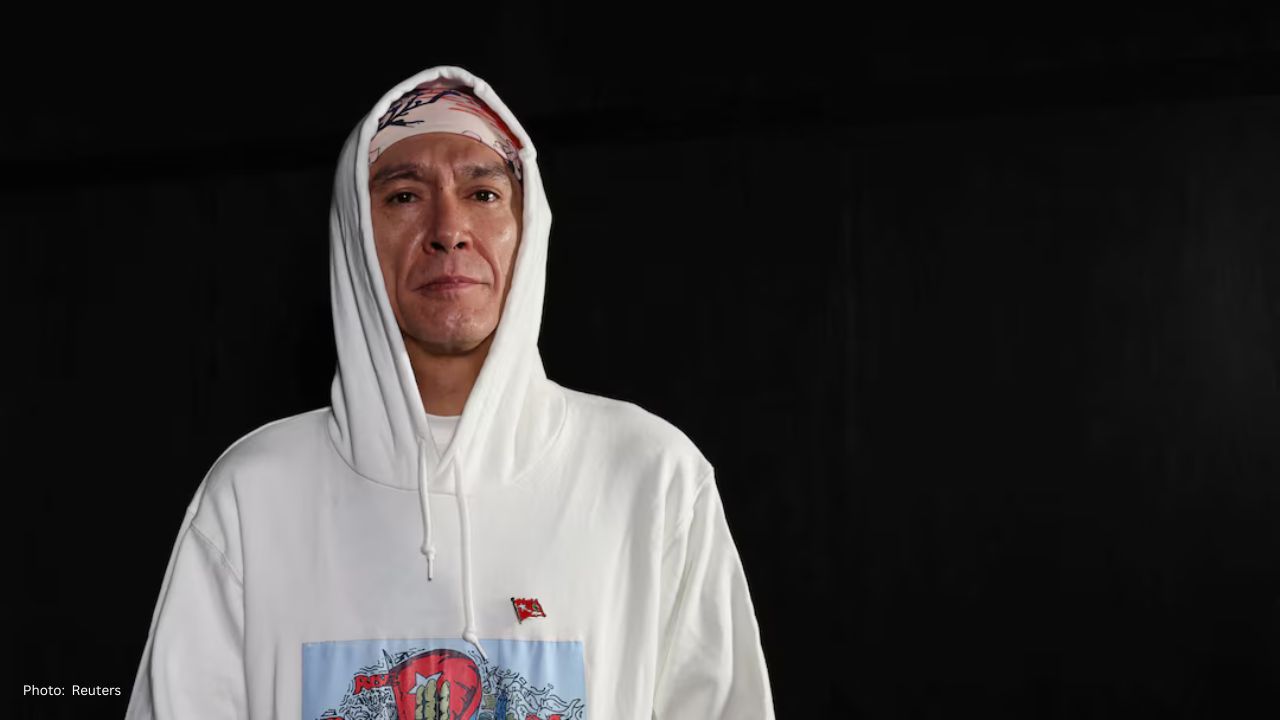
The military authorities in Myanmar have asserted that Aung San Suu Kyi, the ousted former leader, is “doing well health-wise.” This proclamation comes in light of her son, Kim Aris, voicing fears that he may never learn the truth about his mother's situation. Such a disconnect between official assertions and family anxieties underscores a troubling climate of secrecy.
Since the coup in 2021 that toppled her elected government, Aung San Suu Kyi has been detained. At 80 years old, she is enduring a 27-year sentence for allegations including corruption and incitement, charges she steadfastly denies.
For years, there has been a severe lack of credible information regarding her health or living conditions. She has been denied meaningful communications with her family, and no independent medical evaluations have been released. This isolation raises significant concerns, particularly given her advanced age.
Kim Aris has expressed that he hasn’t had contact with his mother for years, believing her to be in solitary confinement in Naypyidaw. His worries are deeply personal, stemming from a son’s fear for his mother’s life rather than any political agenda.
The junta’s claim of her good health comes without supporting evidence, leaving out any medical records, photographs, or allowances for familial or international observation. In such circumstances, assurances lacking verification offer no solace.
Historically, Myanmar's military has been known for its lack of transparency regarding political detainees. Previous denials of illness or mistreatment have often been contradicted by later revelations of serious conditions. This legacy fosters skepticism toward current claims.
The timing of these claims is particularly noteworthy, as Myanmar gears up for a multi-phase election later this month. While the military touts the vote as a step toward restoring democracy, many political stakeholders and foreign entities deem it as inherently flawed. Suu Kyi’s party, the National League for Democracy, has been disbanded, with several opposition factions electing to boycott the election.
Kim Aris has expressed hope that the election may result in his mother being released or at least moved to house arrest, citing past instances where significant political events led to the release of detainees. For instance, Suu Kyi was freed shortly after elections in 2010.
Rather than addressing concerns, the junta responded by accusing Aris of trying to disrupt the electoral process. The military dismissed his worries as unwarranted, illustrating how personal concerns are frequently perceived as political disruptions under its rule.
At the core of this dilemma is the urgent question of human dignity. If Aung San Suu Kyi is indeed healthy, there should be no justification for her continued isolation. Allowing family communications or releasing verified health details would swiftly alleviate much of the surrounding doubt.
This situation mirrors the plight of countless political prisoners in Myanmar, as many families endure the same fears and uncertainties. The focus on Suu Kyi has amplified awareness of a broader human rights violation crisis.
It is imperative for the international community to persist in demanding transparency and humane treatment for all detainees. Continued silence only perpetuates abuse and deepens mistrust.
Questions raised by a son regarding his mother’s well-being should never be construed as a threat. Until credible proof of Aung San Suu Kyi’s health is available, genuine concern will remain both strong and warranted.