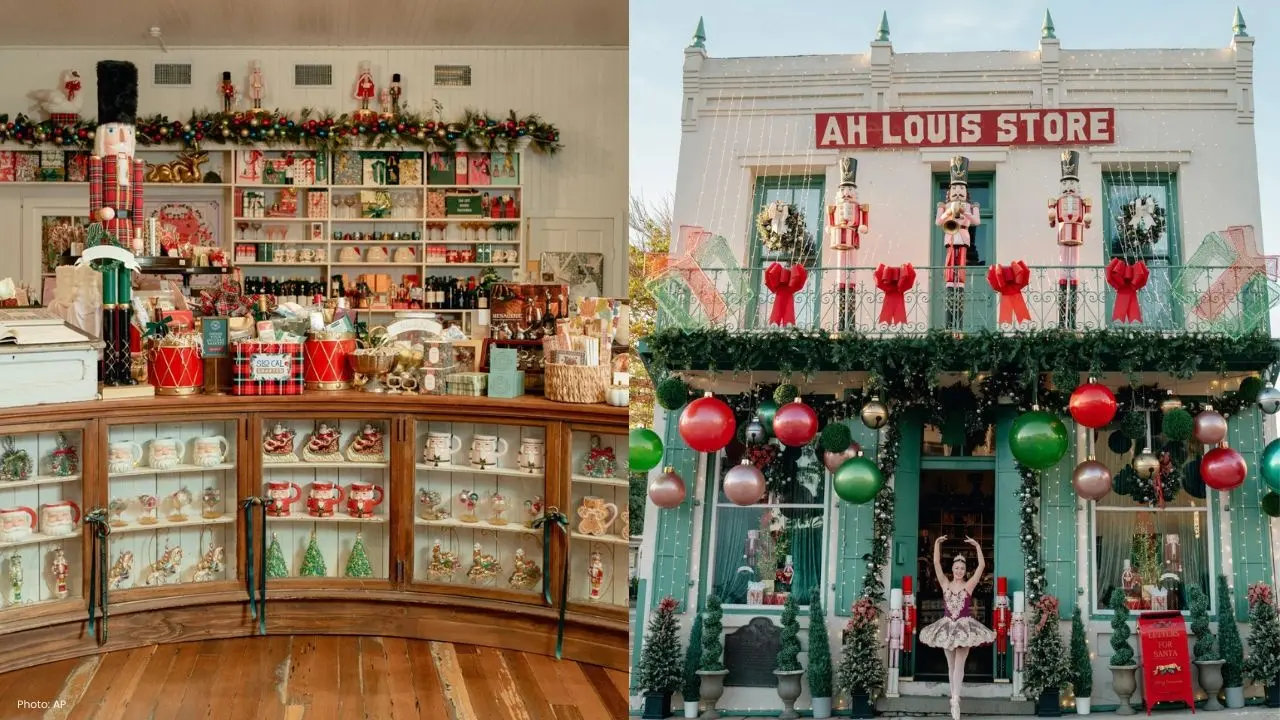
Ah Louis Store in San Luis Obispo shines brightly every November, decorated with wreaths, ribbons, and a vast array of over 500 ornaments. However, co-owner Emily Butler mentions that this year's shopping season is particularly challenging. “Consumers are shopping more cautiously,” she observes, as rising tariffs and inflation affect their spending power.
A significant portion of holiday decorations and gifts come from overseas, and tariffs introduced during the Trump era have escalated prices. To adapt, the Butler sisters have shifted their emphasis towards items like nutcrackers and gift baskets, indicating that shoppers are favoring lower-cost alternatives over luxury products.
Effects of Tariffs on the Gift Market
Prices for games and toys have soared, with most items sourced from China. Dean Smith, owner of JaZams toy stores in New Jersey and Pennsylvania, reports a 5% to 20% increase in wholesale prices, pushing retail costs higher. A doll that previously retailed for $20 now costs $30 at some stores, putting additional strain on families watching their budgets.
Consumer electronics have also been affected. As China accounts for over 75% of smartphone and laptop imports, tariffs have led to increased prices, though retailers like Best Buy have tried to cushion the impact by providing a range of products at different price points. Meanwhile, console prices from companies such as Sony, Microsoft, and Nintendo have also gone up, impacting gaming budgets this holiday season.
The cost of jewelry has risen, largely due to higher gold prices and import taxes on diamond jewelry from India and watches from Switzerland. Seasonal decorations, mainly imported, have seen minor price hikes as well, with items like red berry stems increasing from $8.95 to $10.95 in some shops.
Strategies for Savvy Shoppers
Consumers are developing strategies to make their money stretch. Discount stores like T.J. Maxx, Marshall’s, and HomeGoods are selling products sourced prior to the enactment of new tariffs, while domestically produced gifts such as books, food, and drinks are remaining reasonable alternatives.
Stores nationwide are evolving to meet these challenges as shoppers adapt, reflecting how tariffs, inflation, and supply chain issues are influencing holiday shopping behaviors this year.