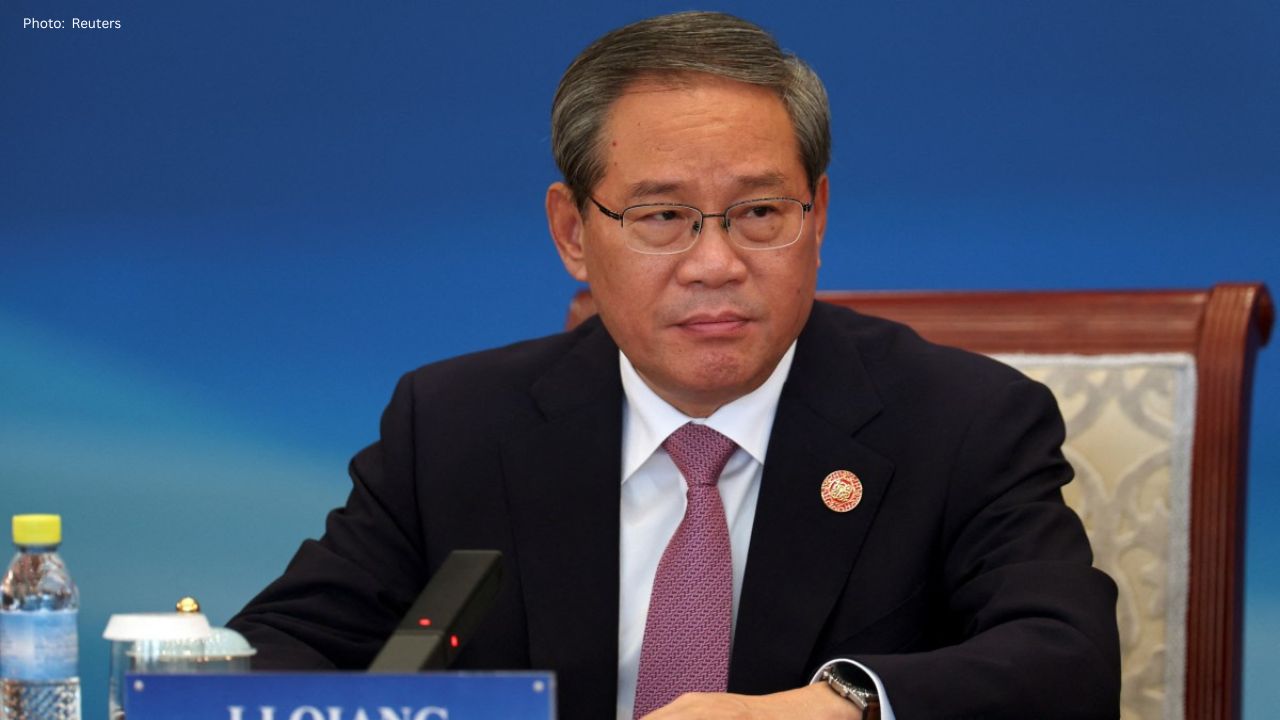
China has issued a significant warning against escalating tariffs, coinciding with its latest trade surplus reaching an unprecedented level. Premier Li Qiang cautioned that the rise in trade barriers is detrimental to the global economy, despite rising frustrations in several nations regarding the influx of Chinese goods into their markets.
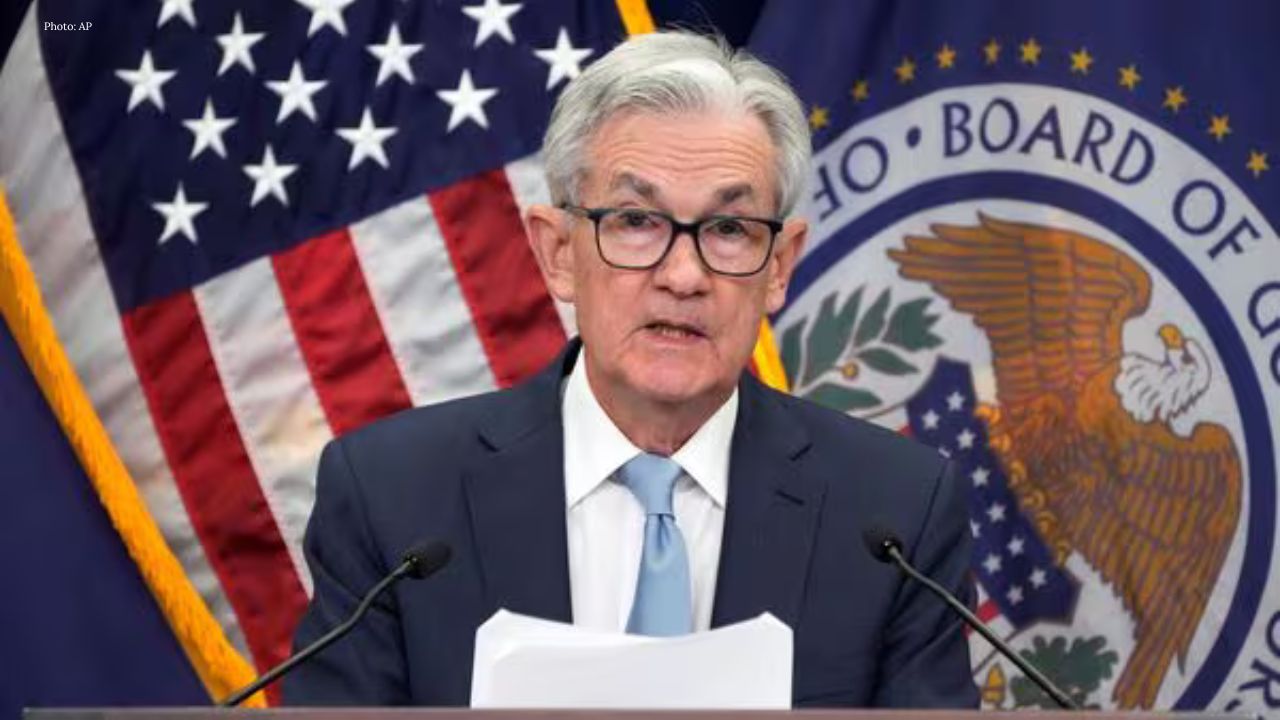
During the “1 plus 10 Dialogue” held in Beijing with key global leaders, Li called on heads of the International Monetary Fund, World Bank, and World Trade Organization to unite in safeguarding free trade. He stressed that the proliferation of tariffs is inflicting severe harm on global economic activities, urging nations to reject protectionist measures and keep international trade channels open.
This appeal arrives just a day after China announced a record-breaking trade surplus of 1 trillion dollars, indicating that its exports surpass imports dramatically. This surplus is largely attributed to a surge in exports to markets beyond the United States, notably in Europe, Southeast Asia, and Australia.
Experts suggest that this significant surplus may be a driving factor behind the increasing tariffs, as domestic companies feel threatened by lower-priced imports, prompting governments to impose taxes on imports to shield local industries. This has triggered a new wave of trade barriers on Chinese products.
European nations have become more expressive regarding their concerns. French President Emmanuel Macron recently issued warnings about potential tariffs on China during his visit. The European Union is also gearing up for action to protect itself from perceived unfair trade practices, including low-cost product dumping that threatens strategic sectors.
Economists argue that the situation extends beyond just tariffs. They indicate that China's economy is overly reliant on exports and manufacturing, whereas other nations are based more on domestic consumer spending. The Chinese growth model compels it to produce far more than what can be consumed internally, leading to an excess in foreign markets.
In response, China has indicated intentions to shift this model and foster domestic demand. Recently, leaders have promised initiatives to stimulate local spending, though many analysts are skeptical about the seriousness and effectiveness of these plans, feeling the focus remains on production and infrastructure rather than genuine consumer-driven growth.
Trade tensions have also altered global goods distribution. Following increased U.S. tariffs on Chinese products, China has rerouted much of its export activity to alternative markets, intensifying competition throughout Europe, Asia, and beyond. Experts caution that tariffs alone will not resolve the profound economic imbalances at play.
If China fails to modify its economic strategies, an uptick in protectionist actions from other countries could ensue, fostering a cycle of trade wars, escalating prices, and sluggish global growth. Smaller economies, in particular, may struggle as they attempt to safeguard their domestic industries.
Ultimately, China's critique of tariffs emerges at a pivotal juncture. While advocating for free trade, its existing export-oriented growth model exerts pressure on the global system. The world now faces a challenging dilemma between protecting local employment and maintaining open markets. Absent key reforms, this tension is poised to escalate in the upcoming months.