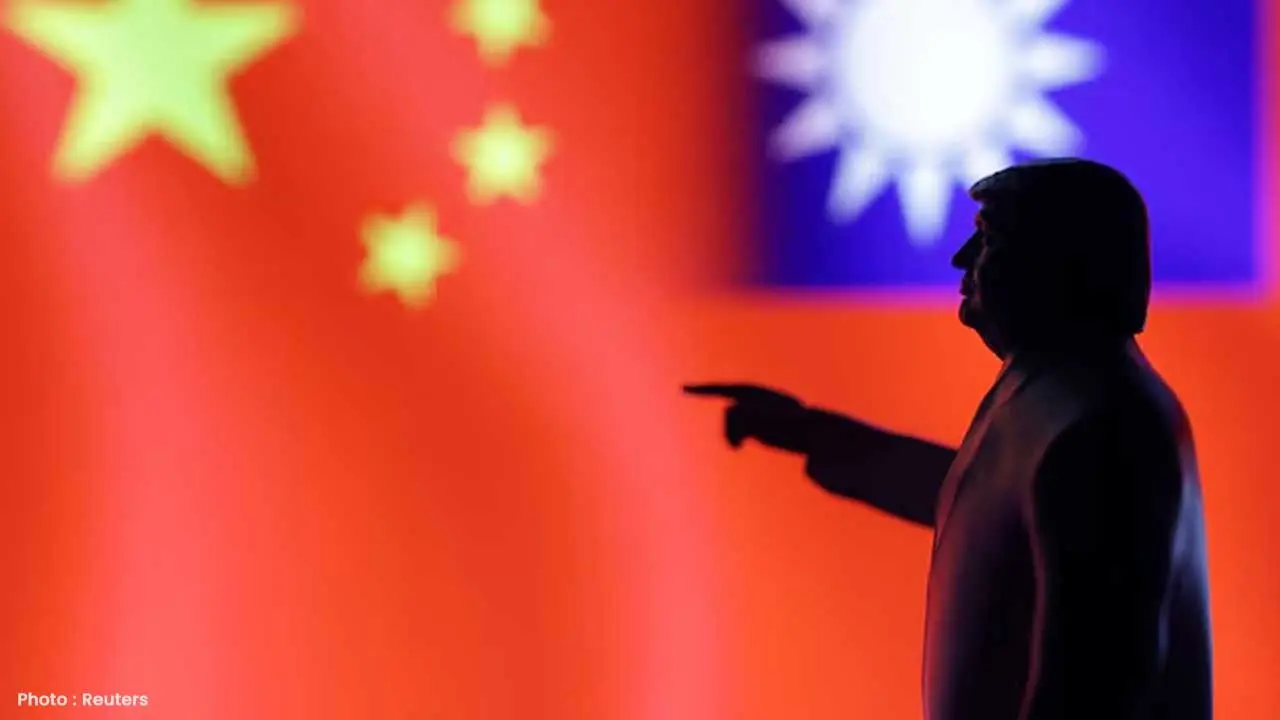
In a robust reaction to the U.S. National Security Strategy, China has pledged unwavering support for its sovereignty while delivering a stark warning against external meddling. Released on Friday, this strategy outlines America's approach to bolster military strength aimed at deterring potential conflicts with China, particularly regarding the highly sensitive issue of Taiwan.
This assertion comes as tensions escalate in East Asia, highlighted by China’s recent large-scale maritime operations involving a considerable deployment of naval and coast guard vessels in regional waters. Chinese authorities maintain that these actions are vital for defending their sovereignty and serve as a warning to foreign entities attempting to challenge China’s territorial assertions.
Analysts suggest that the U.S. strategy signifies a commitment to counterbalance China's burgeoning influence in the region and to enhance security collaborations with Indo-Pacific allies. Conversely, Beijing interprets such initiatives as provocations that risk exacerbating existing tensions. Observers also point out that China’s intensified naval activities indicate its preparedness to confront perceived threats in the Taiwan Strait and adjacent regions.
Although the National Security Strategy emphasizes deterrence, China’s reaction elucidates the fragile dynamics of U.S.-China relations, with both nations aiming to exert their strategic foothold while avoiding outright conflict. This situation reinforces the ongoing geopolitical rivalry in the Indo-Pacific and the difficulties inherent in maintaining regional stability amid escalated military and diplomatic pressures.
China's response demonstrates its commitment to safeguarding its sovereignty while advising the U.S. and other nations against interference in what it deems internal affairs, particularly concerning Taiwan. These recent developments are poised to shape future diplomatic negotiations, military strategies, and economic relations between these global powers, significantly impacting regional security and international diplomatic landscapes.
The escalating tensions between the U.S. and China represent a pivotal moment in East Asian geopolitics, as both nations reassess their strategies to protect their interests while navigating the risks of escalation in the Taiwan Strait and the surrounding maritime realm.