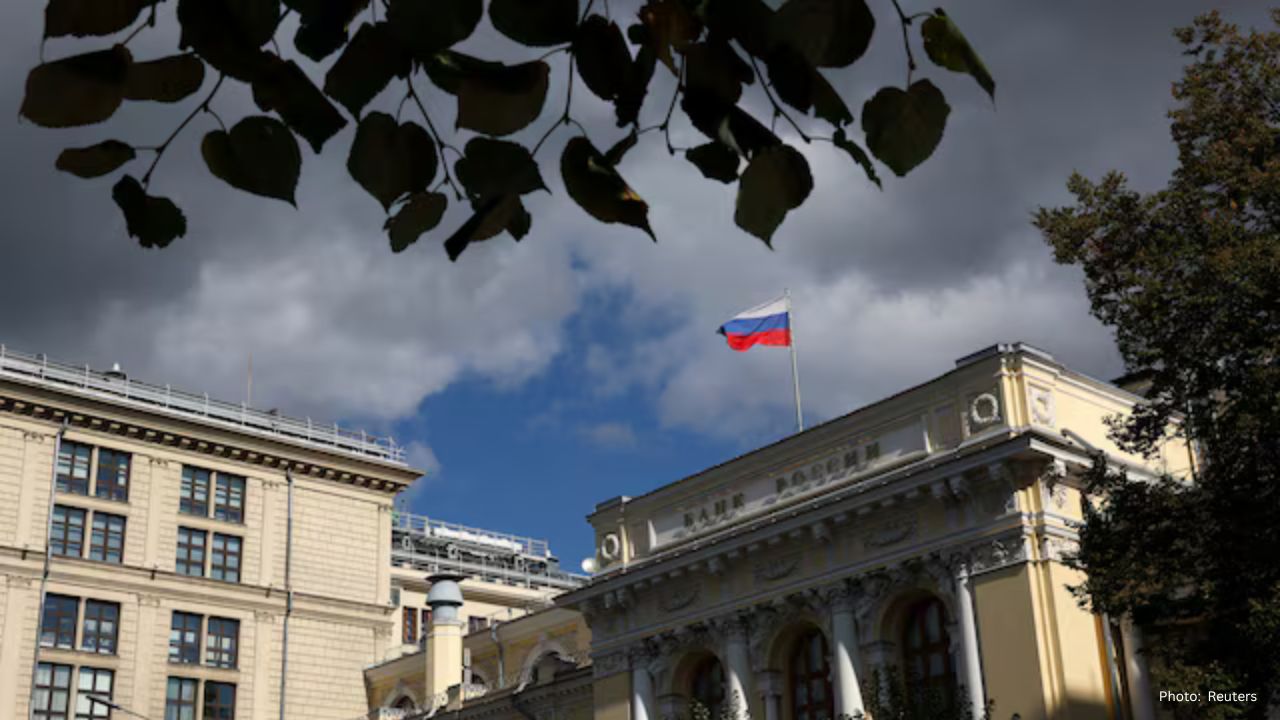
Russia’s central bank has categorically dismissed the European Union’s latest initiatives to access its assets, characterizing them as unlawful and a breach of international law. The bank affirmed its commitment to utilize all possible means to safeguard its interests.
In a declaration made on Friday, the bank clarified that any use of its assets, either directly or indirectly, without authorization is illegal and contravenes the doctrine of sovereign immunity. This doctrine protects the assets of a nation’s central bank from being accessed by others without consent.
The statement referenced a European Commission press release issued on December 3. The EU had proposed two alternatives to address Ukraine’s funding requirements for 2026 and 2027. One suggested that EU financial institutions, holding frozen Russian central bank assets, could extend loans to the EU, which would then be utilized to arrange reparations for Ukraine.
Russia has consistently warned that such measures would incite a robust reaction. The central bank asserted its intention to legally contest any execution of these proposals within national courts, foreign judicial bodies, international organizations, and arbitral tribunals. It also indicated its readiness to implement judicial rulings in nations that are United Nations member states.
This declaration illustrates the enduring friction between Russia and the European Union concerning financial strategies linked to the Ukrainian conflict. While the EU’s suggested use of frozen assets aims to financially assist Ukraine, Russia declares such attempts to be illegal and states that it will mount complete legal opposition.
The situation brings to light the intricate nature of international law regarding frozen state assets. Russia’s declaration signals that it is ready to challenge EU measures through various legal frameworks, potentially extending financial and diplomatic conflicts.
As hostilities in Ukraine persist, conflicts over frozen assets and reparations continue to be pivotal, with both parties firmly entrenched in their legal and financial stances. The resolution of these disputes could carry significant ramifications for international finance and the relationships among Russia, the EU, and other global players.