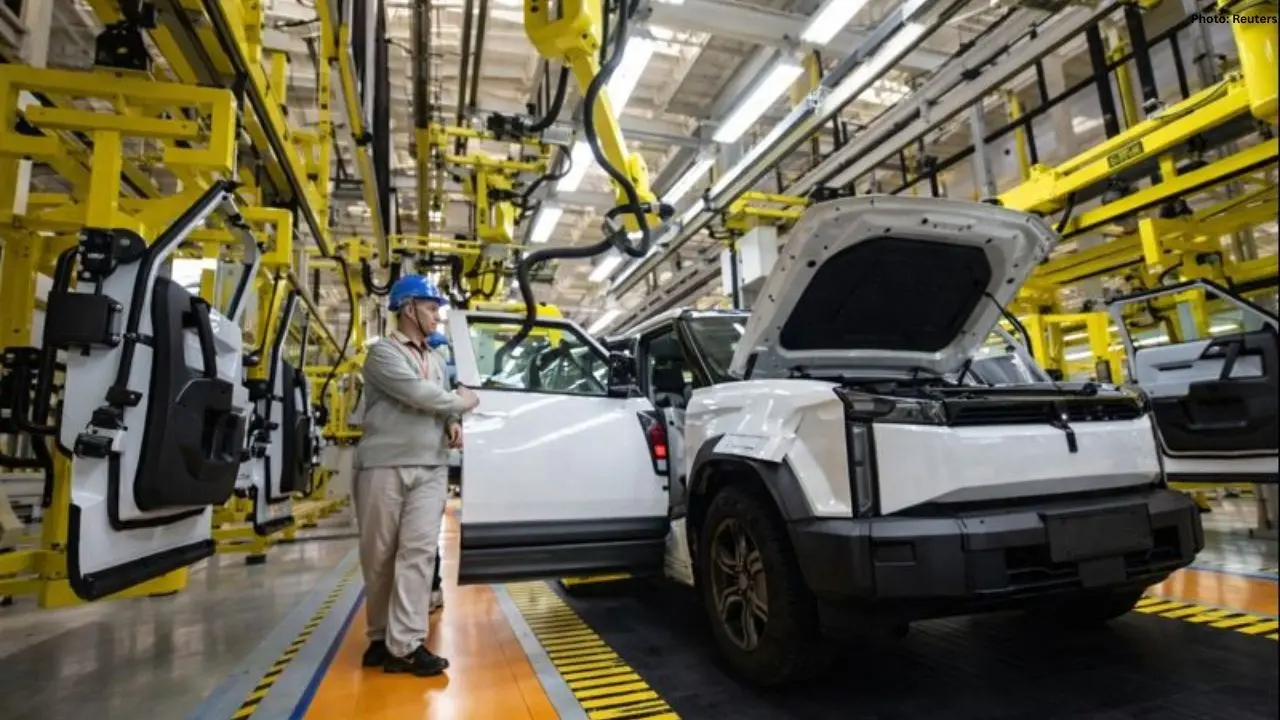
Canada is poised to welcome a significant number of electric vehicles (EVs) imported from China, following a reversal of high tariffs that had previously restricted their entry into the market. This policy shift — allowing up to 49,000 Chinese EVs annually at reduced tariff rates — is expected to make lower-priced electric cars more accessible for Canadian consumers and spur broader EV adoption.
However, analysts, industry representatives and infrastructure experts are sounding alarms about whether Canada’s charging network and electrical grid are ready to handle increased demand from a growing EV fleet. Unlike conventional vehicles that refuel at numerous gas stations, EVs rely on charging infrastructure that must be widely available and capable of delivering reliable service — especially as more drivers transition to zero-emission transportation.
Canada’s existing charging network has expanded in recent years, but gaps remain — particularly in rural, northern and remote communities, where charging stations and grid capacity are sparser. Prior assessments of EV infrastructure funding also show that most investments have gone to larger provinces, while other regions lag behind, making access inconsistent for drivers outside major urban centres.
Even where charging stations exist, the electrical grid itself faces growing stress as EV uptake increases. Natural Resources Canada estimates that EV charging demand could add significant load to the grid in coming decades — potentially thousands of megawatts by 2040 — and utilities will need to upgrade transformers, distribution lines and substations to accommodate this surge.
Experts argue that without coordinated planning and investment in both public fast chargers and grid upgrades, Canadians could face longer wait times at stations, inconsistent charging speeds and added pressure on local power networks. Industry voices say that if vehicle adoption accelerates faster than charging and grid capacity, it could create bottlenecks that slow the transition to electric mobility.
Policymakers have acknowledged these issues and stressed the importance of investing in EV charging infrastructure and grid modernization alongside vehicle incentives — but many stakeholders say that much more work is needed to ensure Canada’s networks can keep pace with a rapidly electrifying vehicle fleet and the likely influx of new EV models from global manufacturers.